

There’s something magical about the moment you bite into an authentic Sicilian cannoli – the delicate crunch of the shell giving way to the silky, sweet ricotta filling that dreams are made of. This isn’t just any dessert; it’s a piece of Sicilian history wrapped in a crispy tube of golden dough. While traditional cannoli might seem indulgent, this recipe transforms the classic into a worth-it treat using clean, wholesome ingredients that honor both the original flavors and your wellness goals.
I first fell in love with cannoli during a trip to a small Sicilian bakery, where the owner explained that true cannoli should never be filled until the moment of serving – a lesson that changed how I approach this beloved dessert forever. What struck me most wasn’t just the incredible taste, but how simple, quality ingredients could create something so extraordinary. Today, I’m sharing my refined version that maintains all the authentic flavors while incorporating cleaner ingredients and mindful preparation techniques that make this indulgent treat a celebration worth savoring.
This recipe represents the perfect balance between tradition and modern wellness consciousness. We’re using organic ricotta, natural sweeteners, and wholesome fats while staying true to the techniques that have been passed down through generations of Sicilian families. The result? A dessert that satisfies your sweet tooth while aligning with your commitment to nourishing your body with quality ingredients.
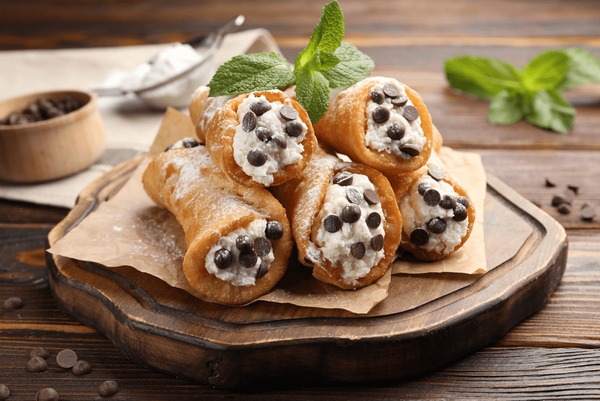
Why You’ll Love This Recipe
This Sicilian cannoli recipe delivers all the authentic flavors you crave while incorporating clean eating principles that make it a guilt-free indulgence. Unlike store-bought versions loaded with preservatives and artificial ingredients, our homemade approach gives you complete control over every component. The shells are made with organic flour and extra virgin olive oil instead of processed shortenings, while the filling features high-quality ricotta and natural sweeteners that enhance rather than mask the cheese’s delicate flavor.
What sets this recipe apart is its emphasis on technique and timing – two elements crucial for achieving restaurant-quality results at home. The shells stay crispy for hours when stored properly, and the filling can be prepared a day ahead, making this perfect for entertaining or special occasions. Plus, with each cannoli providing a surprising amount of protein from the ricotta cheese, you’re getting nutritional benefits along with that indulgent taste experience.
The beauty of making cannoli at home lies in the customization possibilities. You can adjust sweetness levels, experiment with different natural flavorings, or even create mini versions for portion control. This recipe serves as your foundation for countless variations while ensuring every bite delivers the authentic Sicilian experience that makes cannoli one of Italy’s most beloved desserts.
Key Ingredients
The magic of authentic Sicilian cannoli lies in its deceptively simple ingredient list, where each component plays a crucial role in creating the perfect balance of flavors and textures. High-quality ricotta cheese forms the heart of our filling – we recommend seeking out whole milk ricotta from a local dairy or Italian market, as its superior texture and flavor make an incredible difference in the final result. The ricotta provides not only the signature creamy texture but also delivers valuable protein and calcium, making this indulgent treat surprisingly nutritious. For the shells, we use organic all-purpose flour combined with extra virgin olive oil instead of traditional lard or shortening, creating a crispy exterior that’s both authentic and aligned with clean eating principles. Natural sweeteners like organic powdered sugar and pure vanilla extract enhance the ricotta’s delicate flavor without overwhelming it, while a touch of lemon zest adds that bright note that distinguishes truly exceptional cannoli. Finally, we incorporate mini dark chocolate chips made with clean ingredients – their antioxidant properties and rich flavor complement the creamy filling perfectly while adding textural interest to every bite.
Pro Tips & Variations
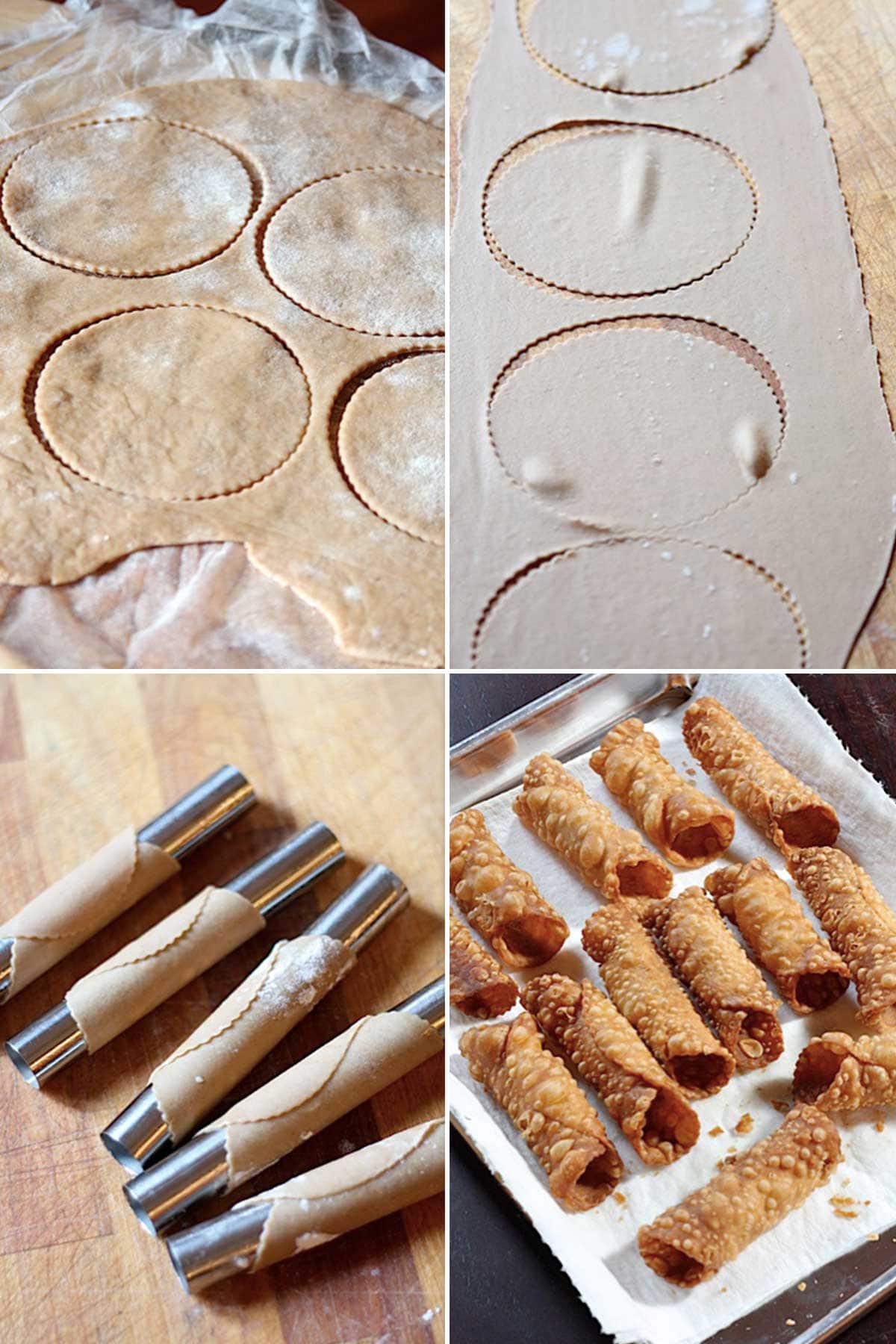
Success with Sicilian cannoli comes down to mastering a few key techniques that separate good cannoli from extraordinary ones. First, never fill your shells more than 30 minutes before serving – this preserves the crucial contrast between crispy shell and creamy filling that defines perfect cannoli. When making the shells, ensure your oil maintains a steady 375°F; too hot and they’ll brown before cooking through, too cool and they’ll absorb excess oil and become soggy.
For the filling, strain your ricotta overnight in cheesecloth or a fine-mesh strainer to remove excess moisture – this simple step prevents soggy shells and creates a firmer, more luxurious texture. When mixing the filling, fold ingredients gently to maintain the ricotta’s natural texture rather than creating a completely smooth paste. Professional tip: chill your filling for at least two hours before using, as cold filling is easier to pipe and holds its shape better.
Consider these delicious variations to customize your cannoli experience: substitute half the ricotta with mascarpone for an even richer filling, add finely chopped pistachios for authentic Sicilian flair, or incorporate orange zest instead of lemon for a different citrus note. For a lighter version, you can reduce the sugar by one-third and add a touch of stevia to maintain sweetness. Much like how we approach balance in our healthy banana bread recipe, small ingredient swaps can significantly impact the nutritional profile without sacrificing flavor.
Storage is crucial for maintaining quality: store unfilled shells in an airtight container for up to three days, and keep filling refrigerated separately. If you must fill them in advance, do so no more than one hour before serving and store in the refrigerator. For parties, set up a cannoli bar where guests can fill their own – it’s interactive, ensures freshness, and creates a memorable experience.
Nutritional Highlights
While Sicilian cannoli is undeniably an indulgent treat, this recipe incorporates several nutritional benefits that make it a more mindful choice for special occasions. Each cannoli provides approximately 15 grams of high-quality protein from the ricotta cheese, supporting muscle maintenance and providing lasting satiety that prevents overindulgence. The ricotta also delivers significant amounts of calcium and phosphorus, essential minerals for bone health that are often lacking in typical desserts.
By using extra virgin olive oil in the shells instead of processed fats, we’re incorporating heart-healthy monounsaturated fats and beneficial compounds like oleic acid. The dark chocolate chips contribute antioxidants, particularly flavonoids that support cardiovascular health and cognitive function. When enjoyed as an occasional treat – perhaps after a nutritious meal like our protein-rich shrimp ceviche – cannoli can fit beautifully into a balanced eating approach that celebrates both wellness and the joy of exceptional food.
Frequently Asked Questions
Can I make cannoli shells without special molds?
Yes, you can create makeshift cannoli molds using clean aluminum tubes or even thick dowels wrapped in aluminum foil. While traditional cannoli tubes work best, these alternatives will help you achieve similar results. The key is ensuring whatever you use is food-safe and can withstand the frying temperature. Some bakers successfully use large metal straws or even repurposed clean metal tubing from hardware stores, just ensure they’re thoroughly cleaned and food-safe.
How do I prevent my cannoli shells from becoming soggy?
The secret to crispy shells lies in proper moisture management and timing. First, ensure your ricotta filling is well-drained by straining it overnight in cheesecloth. Second, never fill shells more than 30 minutes before serving. Store unfilled shells in an airtight container with silica gel packets to maintain crispness. If your shells do soften slightly, you can refresh them in a 300°F oven for 2-3 minutes, but this works best for shells that haven’t been filled yet. Professional bakers often dust the inside of shells with powdered sugar before filling, creating an additional moisture barrier.
What’s the best way to store leftover cannoli and filling?
Store components separately for best results. Unfilled shells keep in an airtight container at room temperature for up to 3 days or frozen for up to 1 month. The ricotta filling should be stored in the refrigerator for no more than 2 days in a covered container. Never store filled cannoli, as the shells will become unpleasantly soggy. If you have filled cannoli that must be stored, eat them within 2 hours and keep refrigerated. For the best experience, always fill shells just before serving, similar to how timing matters in other delicate dishes like our homemade sourdough bread.
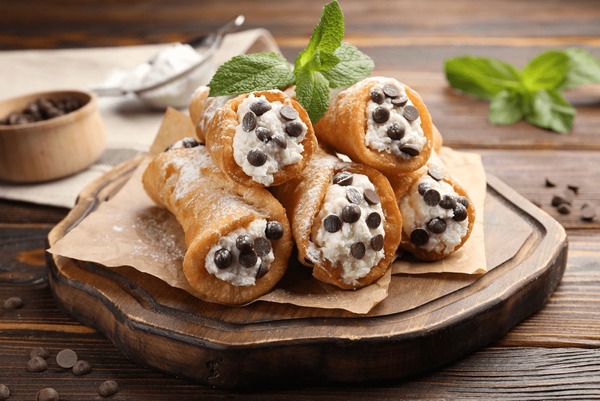
Bringing Sicilian Tradition to Your Kitchen
Creating authentic Sicilian cannoli at home is more than just following a recipe – it’s about embracing the Italian philosophy of using quality ingredients and traditional techniques to create memorable experiences. This recipe honors centuries of Sicilian tradition while incorporating the clean eating principles that support your health and wellness goals. The result is a dessert that satisfies both your taste buds and your commitment to nourishing your body with wholesome ingredients.
Whether you’re celebrating a special occasion or simply want to bring a taste of Sicily to your dinner table, these cannoli represent the perfect balance of indulgence and mindful eating. For more inspiration on incorporating traditional international flavors into your healthy lifestyle, explore our collection of globally-inspired recipes that prove wellness and exceptional flavor can beautifully coexist. Don’t forget to learn more about traditional cannoli techniques and discover additional filling variations to expand your cannoli-making repertoire.
We’d love to see your cannoli creations! Share your photos on social media and tag us – there’s nothing quite like seeing how our recipes come to life in your kitchen. Save this recipe for your next special occasion, and remember that the best cannoli are made with love, patience, and respect for tradition.
Find the complete recipe card below ↓
Sicilian Cannoli
Authentic Sicilian cannoli with crispy homemade shells and creamy ricotta filling made with clean, wholesome ingredients.
Ingredients
- 2 cups organic all-purpose flour
- 2 tablespoons organic sugar
- 1 teaspoon salt
- 3 tablespoons extra virgin olive oil
- 1 large egg (beaten)
- 1/2 cup white wine (or water)
- 4 cups neutral oil for frying (such as avocado oil)
- 2 pounds whole milk ricotta cheese (drained overnight)
- 1 cup organic powdered sugar
- 1 teaspoon pure vanilla extract
- 1 tablespoon fresh lemon zest
- 1/2 cup mini dark chocolate chips
- 1/4 teaspoon cinnamon (optional)
- powdered sugar for dusting
Instructions
- In a large bowl, whisk together flour, sugar, and salt. Create a well in the center and add olive oil, beaten egg, and wine. Mix until a shaggy dough forms.
- Turn dough onto a floured surface and knead for 8-10 minutes until smooth and elastic. The dough should be firm but not dry. Wrap in plastic and rest for 30 minutes at room temperature.
- In a large bowl, gently fold together the drained ricotta, powdered sugar, vanilla extract, lemon zest, and cinnamon if using. Don’t overmix – maintain some texture.
- Fold in chocolate chips gently. Cover and refrigerate for at least 2 hours or overnight. Transfer to a piping bag with a large round tip before serving.
- Divide dough into 12 pieces. Roll each piece very thin on a floured surface, about 4 inches in diameter. Wrap each circle around a cannoli tube, sealing the overlap with a dab of water.
- Heat oil to 375°F in a heavy pot or deep fryer. Fry cannoli shells 2-3 at a time for 2-3 minutes until golden brown and bubbling. Remove carefully and cool completely before removing from tubes.
- Just before serving, pipe filling into shells from both ends. Dust with powdered sugar and serve immediately.
