

There’s something magical about the first bite of perfectly prepared German Schnitzel – the satisfying crunch of golden breadcrumbs giving way to tender, juicy meat that practically melts in your mouth. This beloved Austrian and German dish has captured hearts across the world, and for good reason. When made with quality ingredients and mindful preparation, schnitzel transforms from simple comfort food into a nutritious, protein-packed meal that nourishes both body and soul.
What I love most about making German Schnitzel at home is how it allows you to control every aspect of this classic dish. By choosing high-quality, lean cuts of meat and using clean, whole-food ingredients for the coating, you can enjoy this indulgent-tasting meal while still honoring your wellness goals. The traditional preparation method – pounding the meat thin, creating a three-stage breading station, and pan-frying to golden perfection – actually helps lock in nutrients and creates that signature texture that makes schnitzel so irresistible.
This recipe strikes the perfect balance between authentic European tradition and modern nutritional awareness, proving that comfort food can absolutely be part of a healthy lifestyle when prepared thoughtfully.
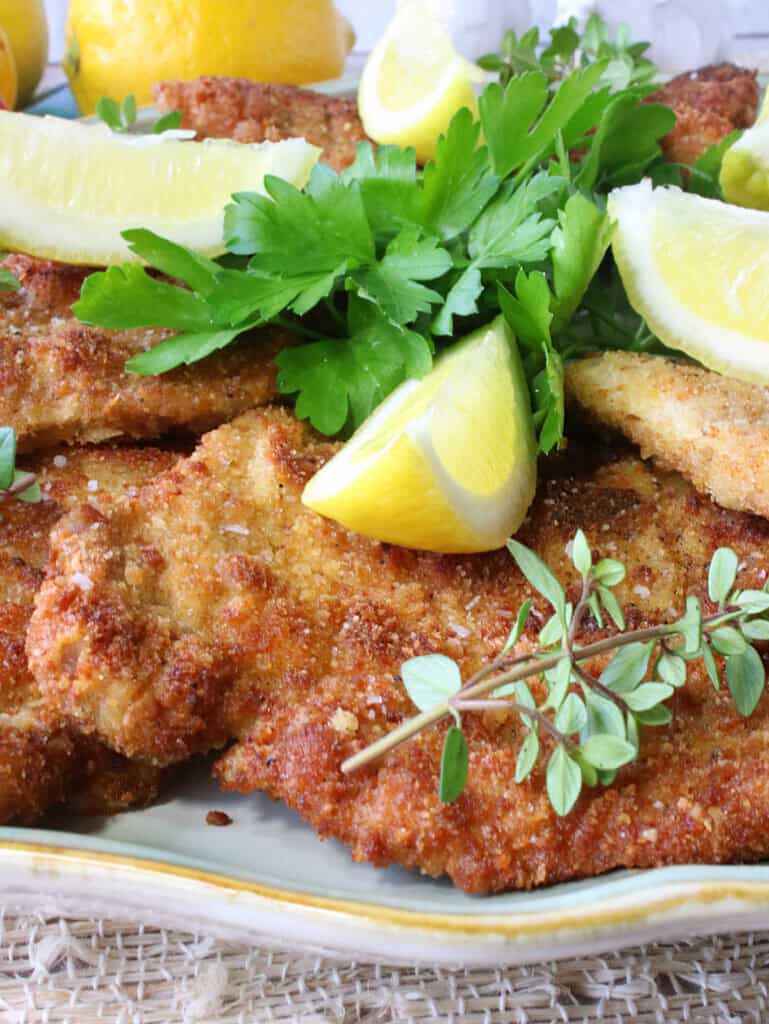
Why You’ll Love This Recipe
This German Schnitzel recipe delivers restaurant-quality results in your own kitchen while prioritizing clean, wholesome ingredients. The lean protein provides essential amino acids for muscle health and sustained energy, while the carefully crafted coating creates that coveted crispy exterior without excess oil or processed ingredients. Unlike many restaurant versions that can be heavy and greasy, this homemade approach allows you to control the quality of oils used and ensures each cutlet is perfectly seasoned and cooked to maintain maximum nutritional value. The recipe is also incredibly versatile – you can easily adapt it for different dietary needs while maintaining the authentic flavors that make German Schnitzel such a beloved comfort food. Plus, the hands-on preparation process is surprisingly therapeutic and connects you to centuries of European culinary tradition.
Key Ingredients
The foundation of exceptional German Schnitzel starts with high-quality, lean meat – traditionally veal, though chicken breast or pork tenderloin work beautifully and offer excellent protein content with lower saturated fat. Fresh eggs serve as the crucial binding agent in our breading station, providing additional protein and helping create that perfect golden crust when combined with fine breadcrumbs. I prefer using panko breadcrumbs or freshly made breadcrumbs from whole grain bread, as they create superior texture while adding fiber and nutrients compared to processed alternatives. High-quality avocado oil or grass-fed butter provides healthy fats for pan-frying while maintaining the dish’s authentic flavor profile. Fresh lemon juice isn’t just a garnish – it’s essential for brightening the rich flavors and aids in protein digestion. Finally, simple seasonings like sea salt, freshly cracked black pepper, and a touch of paprika enhance the natural flavors without relying on artificial additives or excessive sodium.
Pro Tips & Variations
The secret to perfect German Schnitzel lies in the pounding technique – use a meat mallet to gently flatten your cutlets to about ¼-inch thickness, which ensures even cooking and tender results. Create your breading station with three shallow dishes: seasoned flour, beaten eggs, and breadcrumbs, working systematically to avoid clumping. For extra flavor and nutrition, try mixing finely chopped fresh herbs like parsley or thyme into your breadcrumbs, or add a tablespoon of grated Parmesan cheese for umami depth.
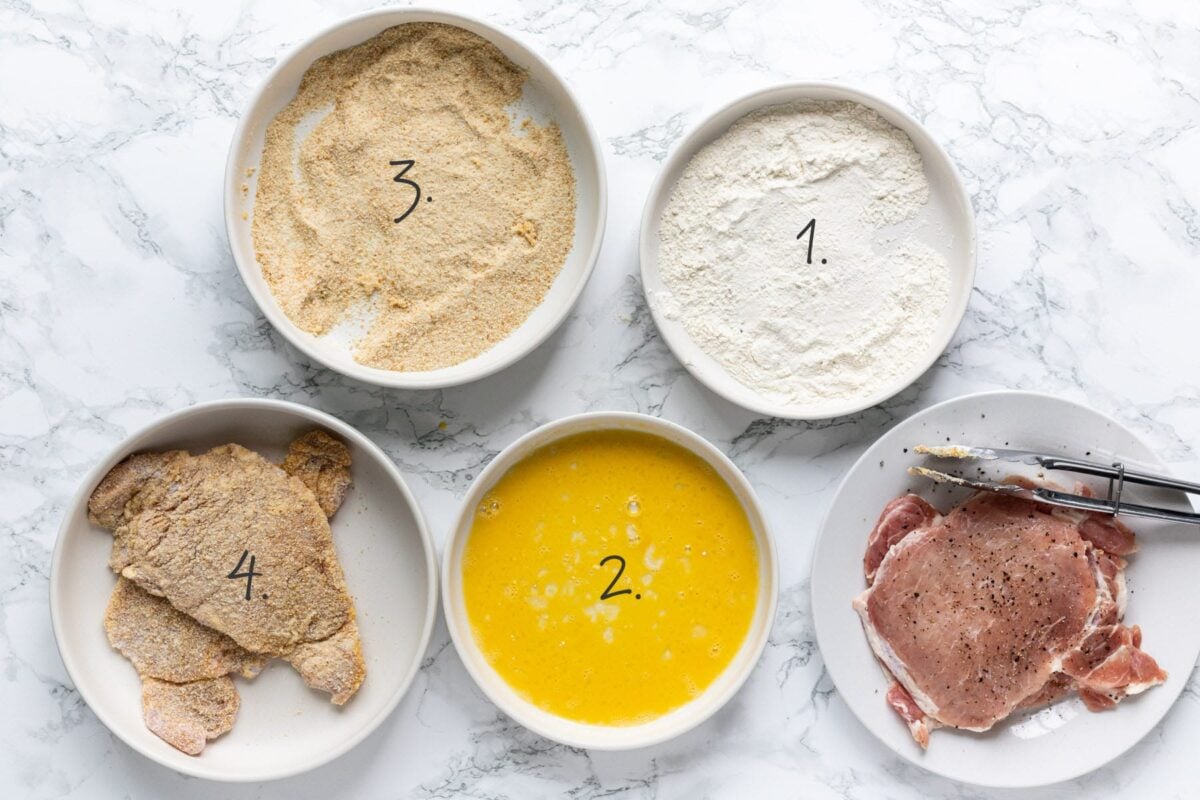
Temperature control is crucial – maintain medium heat to ensure the coating crisps up without burning while the meat cooks through completely. If you’re looking for a lighter version, try baking your breaded cutlets at 425°F for 12-15 minutes, flipping once halfway through. This method reduces oil usage while still achieving excellent results. For those following specific dietary protocols, almond flour makes an excellent gluten-free coating option, while crushed pork rinds create a keto-friendly alternative that’s surprisingly delicious.
This preparation method shares similarities with other beloved international dishes like Japanese Chicken Katsu, where the focus on clean ingredients and proper technique creates restaurant-quality results at home. The key is patience during the breading process and maintaining consistent oil temperature for optimal results.
Nutritional Highlights
German Schnitzel, when prepared mindfully with quality ingredients, offers impressive nutritional benefits that make it a worthy addition to a balanced diet. A typical serving provides approximately 35-40 grams of high-quality complete protein, supporting muscle maintenance and providing sustained energy throughout the day. The lean meat cuts recommended in this recipe are rich in essential B-vitamins, particularly B12 and niacin, which support nervous system function and energy metabolism. When using whole grain breadcrumbs, you’ll also benefit from additional fiber and complex carbohydrates that help stabilize blood sugar levels. The preparation method – pan-frying in healthy oils like avocado oil – provides beneficial monounsaturated fats that support heart health and nutrient absorption. By controlling portion sizes and pairing your schnitzel with nutrient-dense sides like sautéed vegetables or a fresh salad, this indulgent-tasting dish becomes part of a well-rounded, nourishing meal that satisfies both your taste buds and your body’s nutritional needs.
For those interested in exploring more international comfort foods with similar nutritional benefits, dishes like Filipino Chicken Adobo offer comparable protein content with different flavor profiles that can add variety to your weekly meal rotation.
What sets this German Schnitzel apart from many restaurant versions is the emphasis on clean cooking methods and quality ingredients. Traditional Austrian preparation techniques focus on achieving the perfect balance of crispy coating and tender meat, and this approach translates beautifully to health-conscious home cooking. The key is using just enough oil to create that golden crust while avoiding the heavy, greasy results often associated with fried foods.
The beauty of homemade German Schnitzel lies in its adaptability – you can easily modify the recipe to suit various dietary needs while maintaining the authentic flavors that make this dish so special. Whether you’re preparing it for a special occasion or incorporating it into your regular meal rotation, this recipe proves that comfort food and nutritious eating aren’t mutually exclusive. Classic European cooking techniques like this one remind us that the best dishes often come from simple, quality ingredients prepared with care and attention to detail.
Frequently Asked Questions
Can I make German Schnitzel ahead of time?
Yes, you can prepare German Schnitzel in advance with excellent results! You can bread the cutlets up to 4 hours ahead and store them covered in the refrigerator, which actually helps the coating adhere better during cooking. For make-ahead meals, you can fully cook the schnitzel and store it in the refrigerator for up to 3 days. To reheat, place the cutlets on a wire rack over a baking sheet and warm in a 350°F oven for 8-10 minutes to restore crispiness. Avoid microwaving as it will make the coating soggy.
What can I substitute for traditional breadcrumbs in this recipe?
There are several excellent substitutions depending on your dietary needs. For a gluten-free option, try finely ground almonds, almond flour, or crushed gluten-free crackers. Crushed pork rinds work wonderfully for keto diets and add extra protein. Panko breadcrumbs create an extra-crispy texture, while homemade breadcrumbs from day-old sourdough or whole grain bread offer superior flavor and nutrition. You can also mix in grated Parmesan cheese with any of these options for added umami and protein.
How do I store leftover schnitzel and maintain its quality?
Store leftover German Schnitzel in an airtight container in the refrigerator for up to 4 days. To maintain the crispy coating when reheating, avoid the microwave and instead use your oven. Place the schnitzel on a wire rack set over a baking sheet and reheat at 350°F for 8-12 minutes until heated through and the coating is crispy again. You can also slice leftover schnitzel and use it cold in sandwiches or salads. For longer storage, wrap individual pieces tightly and freeze for up to 3 months, then thaw overnight in the refrigerator before reheating.
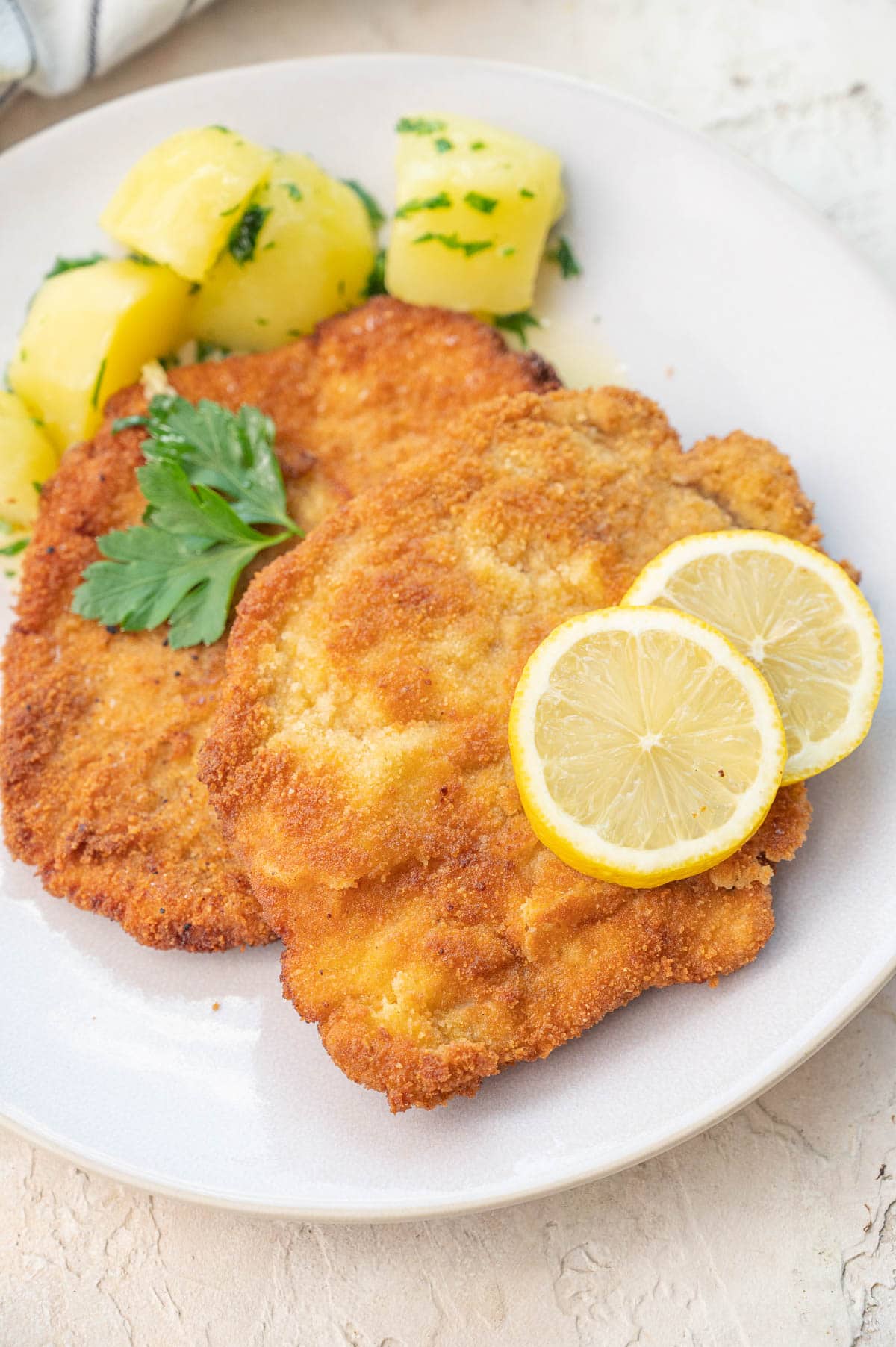
Conclusion
This German Schnitzel recipe proves that classic comfort foods can absolutely have a place in a health-conscious lifestyle when prepared with quality ingredients and mindful techniques. The combination of lean protein, wholesome coating, and traditional preparation methods creates a meal that’s both satisfying and nourishing. Whether you’re exploring international cuisines or simply craving restaurant-quality comfort food at home, this recipe delivers on both flavor and nutrition. I’d love to hear about your schnitzel adventures – share your photos and any creative variations you try in the comments below, and don’t forget to save this recipe for your next special dinner or weekend cooking project!
Find the complete recipe card below ↓
German Schnitzel
Ingredients
- 4 chicken breasts or pork cutlets 6-8 oz each, boneless
- 1 cup all-purpose flour
- 2 large eggs beaten
- 2 cups panko breadcrumbs
- 1 tsp sea salt divided
- 1/2 tsp black pepper freshly ground
- 1/2 tsp paprika
- 1/4 cup avocado oil for frying
- 2 large lemons cut into wedges
- 2 tbsp fresh parsley chopped, for garnish

Instructions
- Place chicken breasts or pork cutlets between plastic wrap and gently pound to 1/4-inch thickness using a meat mallet. Season both sides with salt and pepper.
- Set up three shallow dishes: flour seasoned with salt and pepper in the first, beaten eggs in the second, and panko breadcrumbs mixed with paprika in the third.
- Dredge each cutlet in flour, shaking off excess, then dip in beaten eggs, and finally coat thoroughly with seasoned breadcrumbs, pressing gently to adhere.
- Heat avocado oil in a large skillet over medium heat until shimmering. The oil should be about 1/4-inch deep.
- Carefully place breaded cutlets in the hot oil, working in batches to avoid overcrowding. Cook for 3-4 minutes on the first side until golden brown.
- Flip cutlets and cook for an additional 2-3 minutes until the second side is golden brown and internal temperature reaches 165°F for chicken or 145°F for pork.
- Transfer to a paper towel-lined plate to drain briefly, then serve immediately with lemon wedges and fresh parsley.