

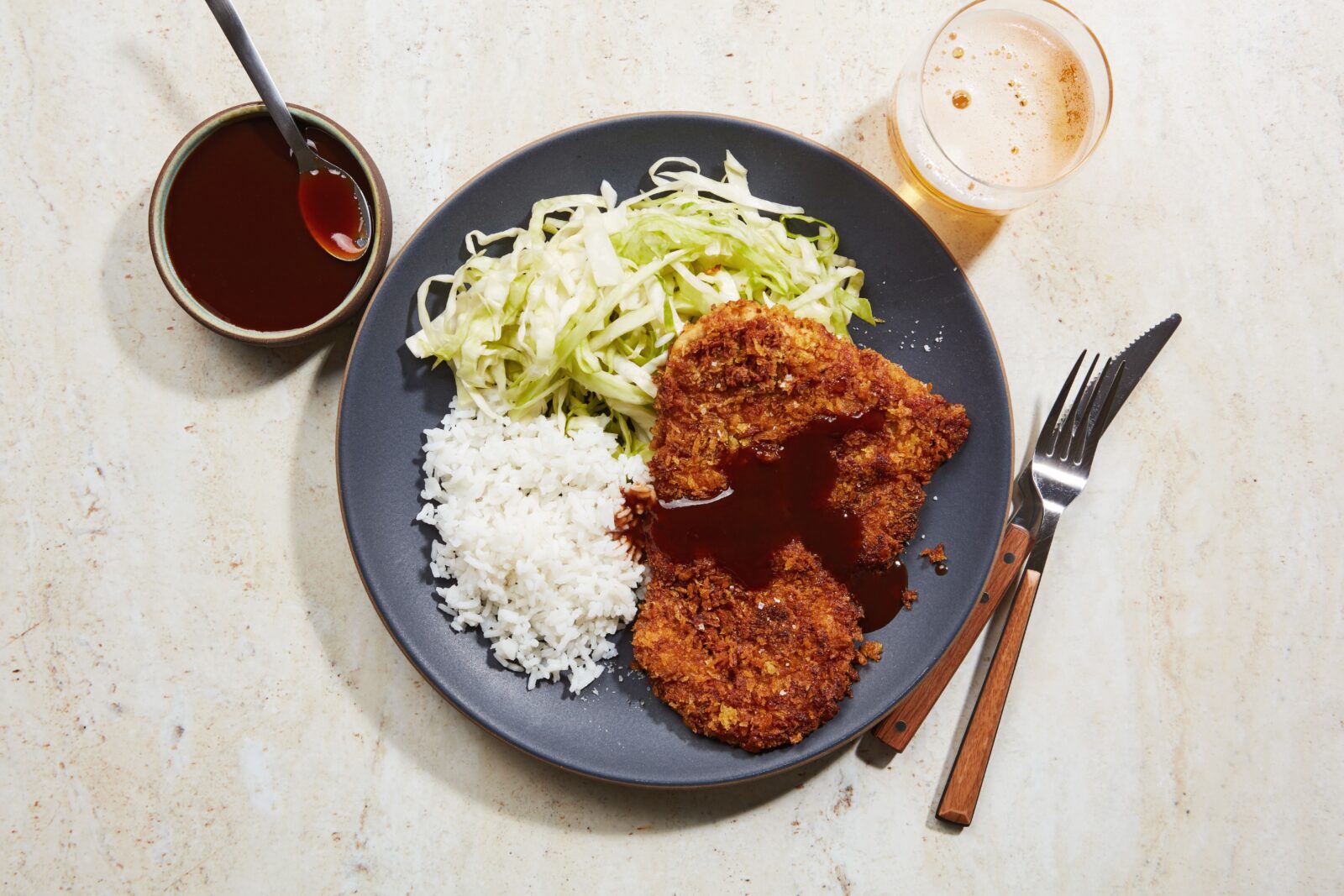
There’s something magical about the moment you bite into perfectly crispy Japanese Chicken Katsu – that satisfying crunch giving way to tender, juicy chicken that’s been elevated from simple protein to pure comfort food bliss. While katsu might seem like an indulgent treat that doesn’t belong in a health-focused kitchen, I’m here to tell you that when made with quality ingredients and mindful preparation, this beloved Japanese dish becomes a worth-it moment that can absolutely fit into a balanced eating lifestyle.
The beauty of Japanese Chicken Katsu lies not just in its incredible texture and flavor, but in how it transforms humble ingredients into something extraordinary. Unlike heavily processed fast-food versions, homemade katsu allows you to control every element – from the quality of your chicken to the type of oil you use for frying. When you start with organic, free-range chicken and create your own panko coating, you’re crafting a meal that’s rich in lean protein, delivers satisfying crunch, and provides that soul-warming comfort we all crave. Just like our Japanese Beef Curry, this dish proves that international comfort foods can be both nourishing and incredibly delicious.
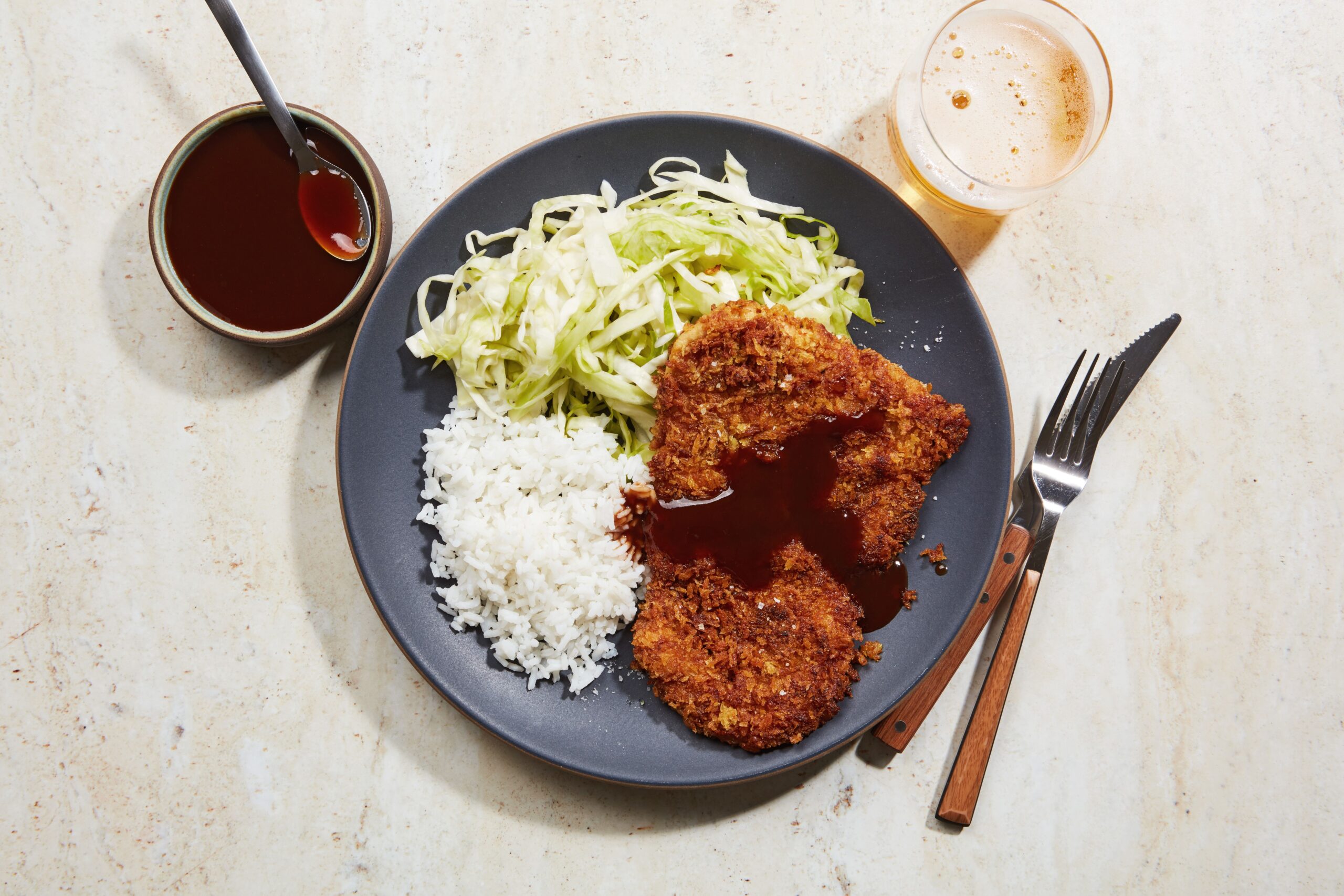
Why You’ll Love This Recipe
This Japanese Chicken Katsu recipe delivers restaurant-quality results while keeping your health goals in mind. The chicken breast provides an impressive 35+ grams of lean protein per serving, making it perfect for muscle maintenance and satiety. Unlike many fried foods that leave you feeling heavy, properly made katsu feels satisfying without being overwhelming. The homemade approach means you’re avoiding the preservatives, artificial additives, and questionable oils often found in restaurant versions.
What makes this recipe especially appealing is its versatility – serve it over steamed vegetables for a lighter meal, pair it with brown rice for sustained energy, or enjoy it as part of a traditional Japanese spread. The cooking technique itself is surprisingly approachable, requiring no special equipment beyond a good thermometer to ensure food safety and optimal texture. Most importantly, this is the kind of meal that brings joy to the dinner table, proving that healthy eating doesn’t mean sacrificing the foods that make us genuinely happy.
Key Ingredients
The foundation of exceptional Japanese Chicken Katsu starts with high-quality chicken breast, preferably organic and free-range, which provides superior flavor and texture while ensuring you’re getting clean, hormone-free protein. Fresh panko breadcrumbs are absolutely essential – their larger, flakier texture creates that signature light, crispy coating that sets authentic katsu apart from regular breaded chicken. All-purpose flour serves as the crucial first layer in our three-step breading process, helping the egg wash adhere properly while creating a moisture barrier that keeps the chicken incredibly juicy. Farm-fresh eggs beaten until smooth create the binding layer that makes everything stick together beautifully. High-quality neutral oil like avocado or grapeseed oil for frying not only handles high heat better than processed oils but also adds beneficial nutrients without imparting unwanted flavors. Finally, a touch of sea salt and freshly ground black pepper enhances the natural chicken flavor while supporting the overall seasoning profile that makes each bite irresistible.
Pro Tips & Variations
The secret to perfectly crispy Japanese Chicken Katsu lies in proper preparation and temperature control. Always pound your chicken to an even ¾-inch thickness – this ensures uniform cooking and prevents the outside from burning before the inside reaches a safe 165°F internal temperature. Let your breaded cutlets rest for 10-15 minutes before frying; this crucial step allows the coating to set properly, preventing it from falling off during cooking. Maintain your oil temperature between 340-350°F for optimal results – too hot and the outside burns before the inside cooks, too cool and you’ll end up with greasy, soggy coating.
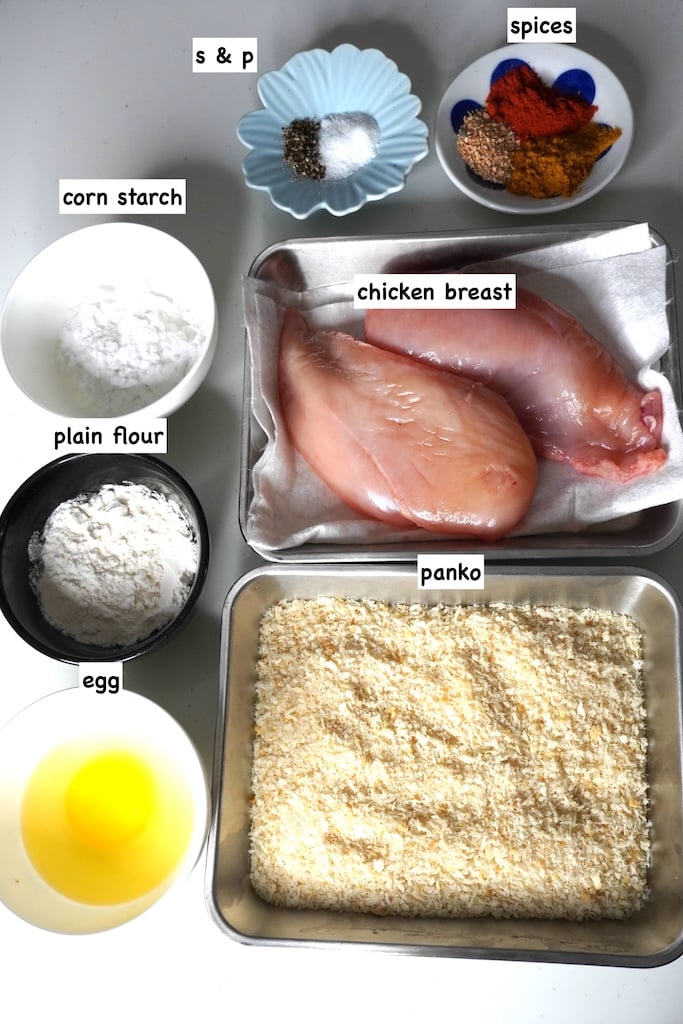
For a lighter version, try oven-baking your katsu at 425°F on a wire rack, lightly spraying the coated chicken with avocado oil for browning. This method reduces the oil content significantly while still delivering satisfying crunch. Consider using chicken thighs instead of breast for extra flavor and juiciness – the slightly higher fat content makes them more forgiving to cook and incredibly tender. According to Serious Eats, the key to restaurant-quality katsu is using fresh, coarse panko and maintaining proper oil temperature throughout cooking.
Experiment with different proteins like pork tenderloin for traditional tonkatsu, or even firm tofu for a plant-based version that’s surprisingly satisfying. You can also customize the seasoning by adding garlic powder, onion powder, or even a touch of Korean gochugaru for heat. Just like when making Crispy Falafel, proper oil temperature and coating technique are everything when it comes to achieving that perfect golden exterior.
Nutritional Highlights
While Japanese Chicken Katsu is certainly an indulgent dish, it offers impressive nutritional benefits that make it worthy of your healthy eating plan. Each serving delivers approximately 35-40 grams of high-quality complete protein, providing all essential amino acids your body needs for muscle maintenance, immune function, and cellular repair. The chicken breast is naturally low in saturated fat while being rich in selenium, phosphorus, and B-vitamins, particularly niacin and B6, which support energy metabolism and brain health. When you use quality oils like avocado oil for frying, you’re adding beneficial monounsaturated fats and vitamin E to the dish.
The moderate calorie count of around 450 calories per serving makes this a reasonable indulgence when balanced with lighter sides like steamed vegetables or a fresh salad. Unlike many processed comfort foods, homemade katsu contains no artificial preservatives, excess sodium, or mystery ingredients. Bon Appétit notes that the key to making fried foods part of a healthy diet is focusing on quality ingredients and proper cooking techniques, which this recipe delivers beautifully.
Frequently Asked Questions
Can I make Japanese Chicken Katsu ahead of time?
Yes, you can prepare katsu in several ways for convenience! You can bread the chicken cutlets up to 4 hours ahead and refrigerate them on a wire rack, which actually helps the coating adhere better. For longer storage, freeze breaded cutlets on a baking sheet, then transfer to freezer bags for up to 3 months – cook directly from frozen, adding 2-3 minutes to the cooking time. Cooked katsu can be stored in the refrigerator for up to 3 days and reheated in a 375°F oven for 5-7 minutes to restore crispiness.
What can I substitute for panko breadcrumbs?
While panko creates the most authentic texture, you can make excellent substitutes at home. Process day-old bread (preferably white or sourdough) in a food processor until you get coarse, irregular crumbs – avoid making them too fine. Crushed cornflakes or rice cereal can work in a pinch and add interesting flavor, while crushed crackers like Ritz provide richness. For a gluten-free option, use gluten-free panko or make breadcrumbs from gluten-free bread. Whatever substitute you choose, aim for larger, flakier pieces rather than fine crumbs for the best texture.
How do I store and reheat leftover katsu?
Store leftover katsu in an airtight container in the refrigerator for up to 3 days. To reheat while maintaining crispiness, place cutlets on a wire rack set over a baking sheet and reheat in a 375°F oven for 5-8 minutes until heated through and crispy. Avoid microwaving as it will make the coating soggy. You can also reheat in an air fryer at 350°F for 3-4 minutes. For best results, slice leftover katsu and use it in katsu sandos, over salads, or in grain bowls where the slightly softer texture is actually preferable.
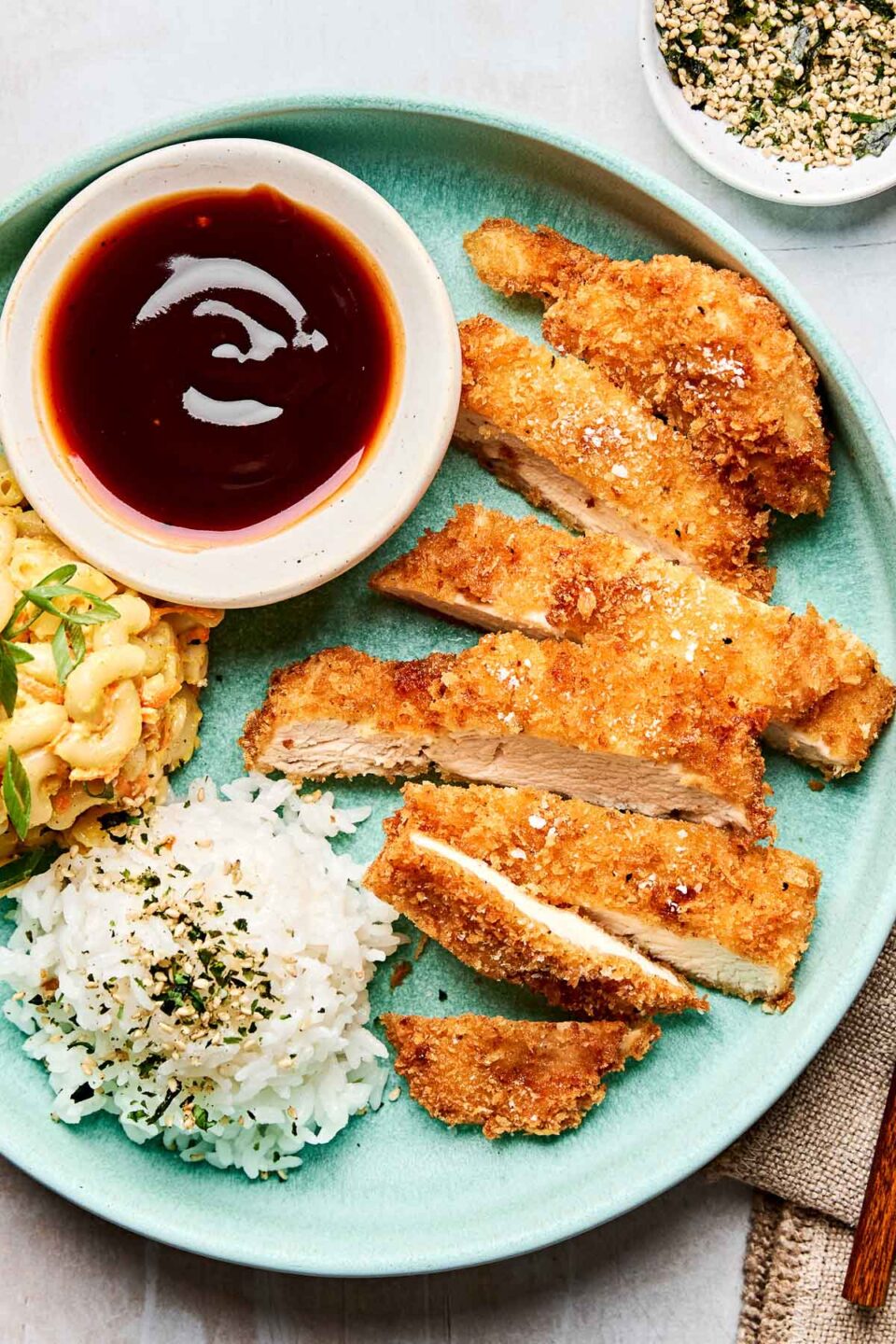
Japanese Chicken Katsu represents everything I love about mindful indulgence – it’s a dish that brings pure joy to the table while still respecting your commitment to quality ingredients and balanced eating. The satisfaction that comes from creating this restaurant-quality meal in your own kitchen, knowing exactly what went into it, makes every crispy bite even more rewarding. Whether you’re introducing your family to Japanese flavors or treating yourself to a well-deserved comfort food moment, this katsu delivers on both flavor and nutrition in the most delicious way possible.
I’d love to see how your katsu turns out! Share your photos on social media and tag us, or save this recipe for your next weekend cooking adventure. Don’t forget to let us know if you try any of the variations – your feedback helps make our recipes even better for the whole Eating Happiness community.
Find the complete recipe card below ↓
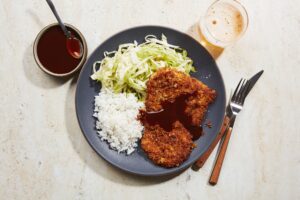
Japanese Chicken Katsu
Ingredients
- 4 boneless skinless chicken breasts 6-8 oz each
- 1 cup all-purpose flour
- 3 large eggs beaten
- 2 cups panko breadcrumbs preferably fresh
- 1 tsp kosher salt
- 1/2 tsp black pepper freshly ground
- 3 cups neutral oil for frying (avocado or grapeseed)
- 4 cups shredded cabbage for serving
- 2 cups cooked rice for serving
- 1/4 cup tonkatsu sauce for serving

Instructions
- Place chicken breasts between plastic wrap and pound to even ¾-inch thickness. Season both sides with salt and pepper.
- Set up breading station with three shallow dishes: flour in first, beaten eggs in second, and panko breadcrumbs in third.
- Heat oil in a heavy-bottomed pot or deep skillet to 340-350°F. Use a thermometer to monitor temperature.
- Dredge each chicken breast in flour, shaking off excess. Dip in beaten eggs, letting excess drip off. Coat thoroughly in panko, pressing gently to adhere.
- Let breaded chicken rest on a wire rack for 10 minutes to set the coating.
- Carefully lower chicken into hot oil, cooking 2 pieces at a time to avoid overcrowding. Fry for 3-4 minutes per side until golden brown and internal temperature reaches 165°F.
- Transfer to a wire rack set over paper towels to drain. Let rest 2-3 minutes before slicing.
- Slice katsu crosswise into strips and serve immediately over rice with shredded cabbage and tonkatsu sauce.