

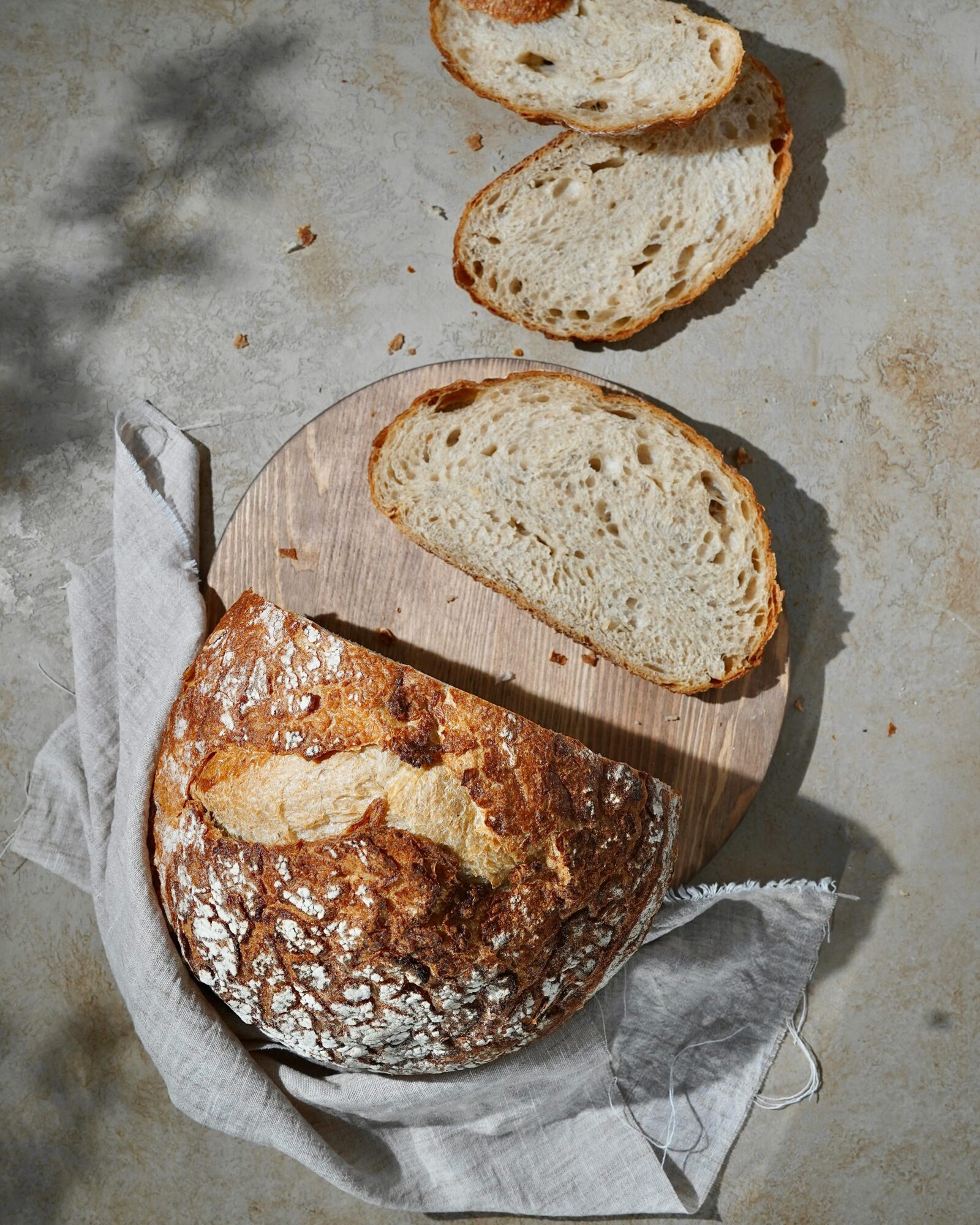
There’s something almost magical about the alchemy of sourdough bread. Unlike commercial yeast breads loaded with preservatives and additives, true sourdough relies on just three simple, clean ingredients: flour, water, and salt. The wild yeast and beneficial bacteria that develop in your starter do all the heavy lifting, creating not just incredible flavor and texture, but also a bread that’s easier to digest and packed with nutritional benefits that processed breads simply can’t match.
In our fast-paced world of instant everything, sourdough bread asks us to slow down and embrace the natural rhythm of fermentation. This ancient technique, which sustained our ancestors for thousands of years, transforms simple ingredients into something truly nourishing for both body and soul. The long fermentation process breaks down hard-to-digest compounds, increases nutrient availability, and creates beneficial probiotics that support gut health. It’s comfort food that actually comforts your digestive system too.
Making your own sourdough bread connects you to generations of bakers while giving you complete control over what goes into your body. No mysterious preservatives, no high-fructose corn syrup, no dough conditioners – just pure, wholesome ingredients working together in perfect harmony. The result is a loaf that not only tastes incredible but also provides sustained energy, fiber, and nutrients that mass-produced bread simply cannot deliver.
Why You’ll Love This Sourdough Bread Recipe
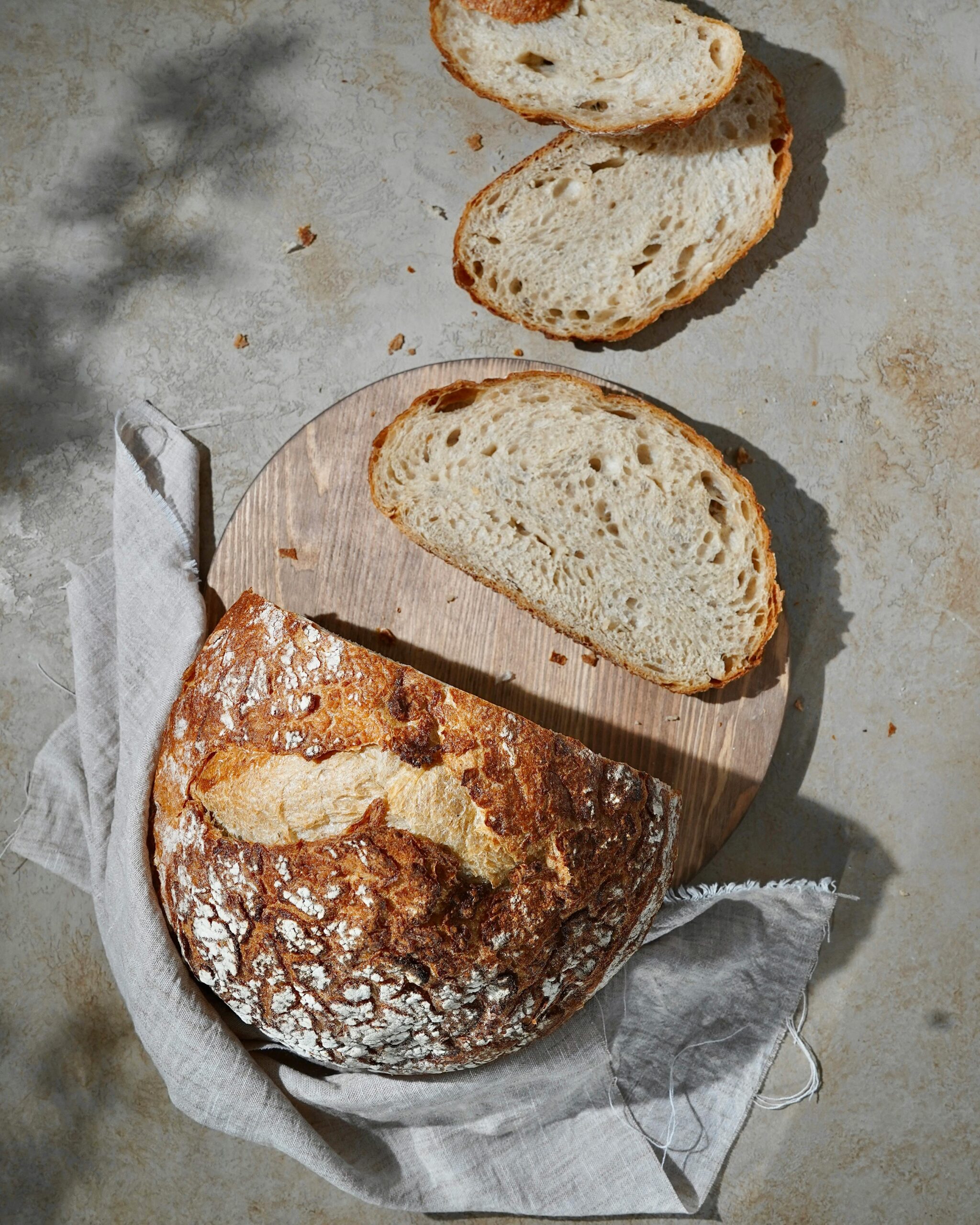
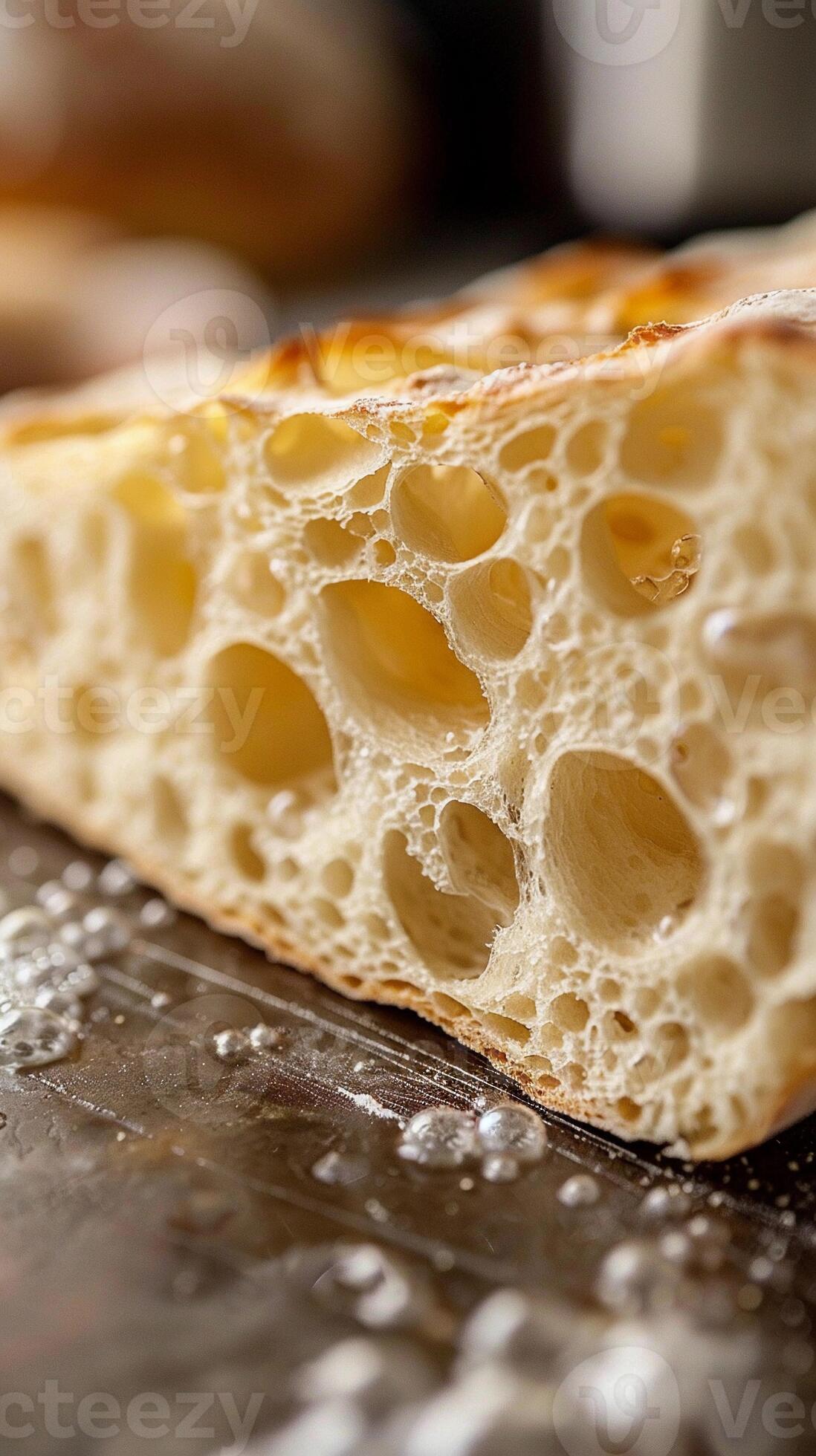
This sourdough bread recipe delivers everything you want in homemade bread without compromising your commitment to clean eating. The natural fermentation process not only creates that signature tangy flavor and chewy texture we all crave, but it also makes the bread more nutritious and digestible than conventional yeasted breads. You’ll love how the crust develops a beautiful golden color and satisfying crunch while the interior remains soft and airy.
The beauty of this recipe lies in its simplicity and flexibility. Once you master the basic technique, you can adapt it endlessly – add seeds for extra nutrition, incorporate whole grains for more fiber, or keep it classic with just the essential ingredients. Unlike many indulgent comfort foods, sourdough bread actually supports your wellness goals, providing sustained energy without the blood sugar spikes associated with processed breads.
Perhaps most importantly, this bread transforms your kitchen into a place of mindful creation. The process encourages patience and presence, turning bread-making into a form of meditation that nourishes both body and spirit. Each loaf represents a small act of self-care and family care that brings people together around the table.
Key Ingredients That Make the Difference
The magic of exceptional sourdough bread starts with high-quality bread flour, which provides the protein structure necessary for those beautiful air pockets and chewy texture we all love. Choose unbleached flour whenever possible – it retains more nutrients and hasn’t been treated with harsh chemicals. Your sourdough starter is the heart of this bread, a living culture of wild yeast and beneficial bacteria that not only leavens the dough but also pre-digests proteins and starches, making the final bread more nutritious and easier on your digestive system. Pure water matters more than you might think – chlorinated tap water can inhibit fermentation, so use filtered water for best results. Finally, sea salt doesn’t just enhance flavor; it strengthens gluten structure and helps control fermentation timing. These simple, clean ingredients work together to create something far greater than the sum of their parts, proving that the best foods often come from the most basic components.
Pro Tips & Variations
Temperature control is crucial for successful sourdough bread. Your dough should ferment at around 75-78°F for optimal timing. If your kitchen is cool, try placing the dough on top of your refrigerator or near a warm (but not hot) oven. Conversely, if your kitchen is very warm, fermentation will happen faster, so watch for visual cues rather than relying solely on timing.
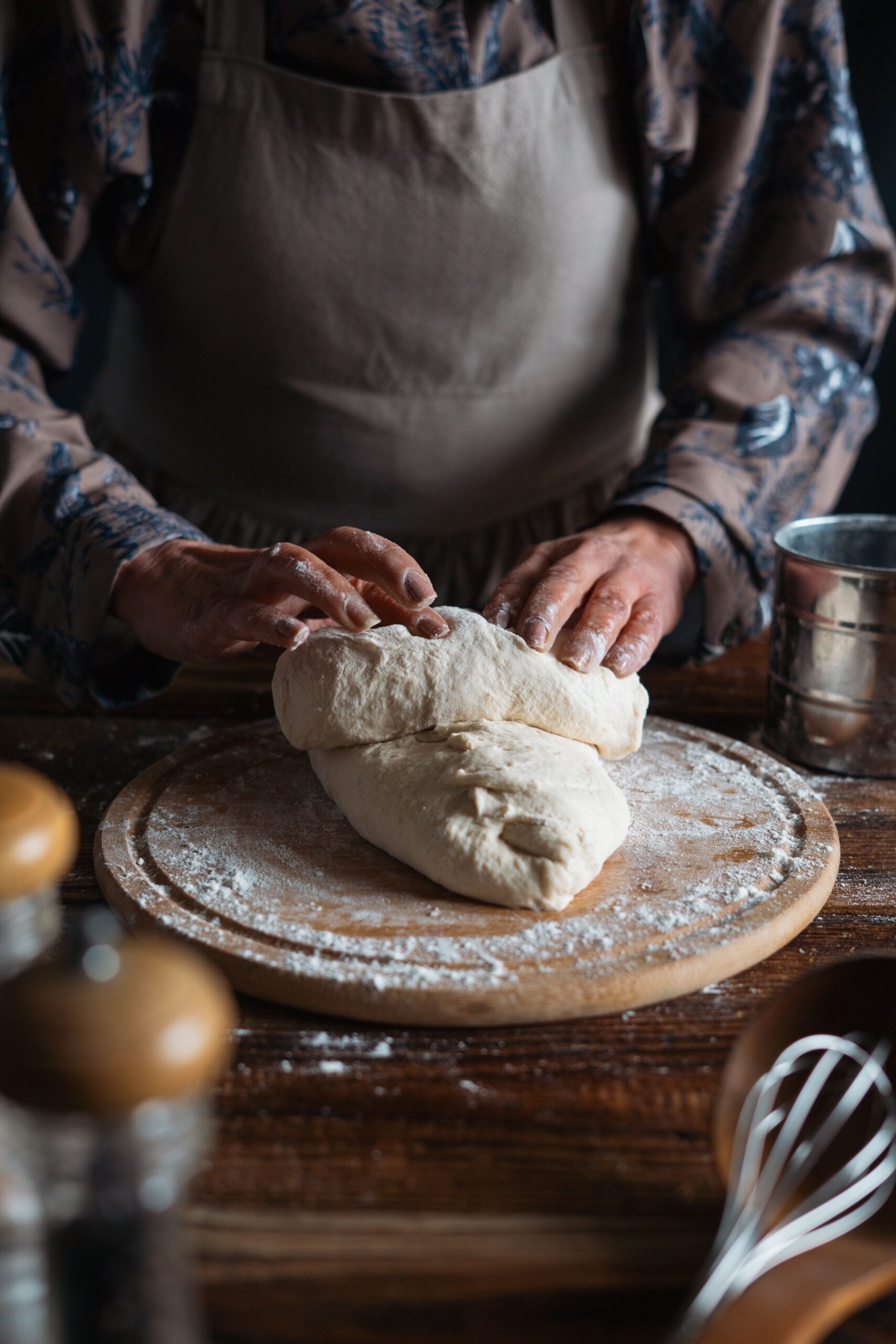
The “windowpane test” is your best friend for determining proper gluten development. Gently stretch a small piece of dough – if you can stretch it thin enough to see light through it without tearing, you’ve achieved proper gluten structure. Don’t skip the bulk fermentation coil folds; these strengthen the dough and create better structure without overworking it.
For nutritional upgrades, try incorporating up to 20% whole wheat flour for added fiber and nutrients, or fold in seeds like sunflower, pumpkin, or flax during the final shaping for healthy fats and protein. If you’re feeling adventurous, herbs like rosemary or thyme make beautiful aromatic variations that pair wonderfully with protein-rich dishes like miso glazed salmon.
Scoring your loaf isn’t just decorative – it controls how the bread expands in the oven. Use a sharp blade or lame to make confident, swift cuts about ¼ inch deep. Steam is essential for that perfect crust, so place a pan of boiling water in the bottom of your oven or use the Dutch oven method for superior results.
This bread makes an excellent base for wholesome breakfast dishes like French toast casserole when it’s a day or two old, proving that even day-old sourdough has delicious possibilities.
Nutritional Highlights
Sourdough bread offers impressive nutritional advantages over commercial bread, thanks to its unique fermentation process. The wild yeast and beneficial bacteria break down phytic acid and other antinutrients, making minerals like iron, zinc, and magnesium more bioavailable to your body. According to research published by Serious Eats, the fermentation process also partially breaks down gluten proteins, making sourdough potentially more tolerable for those with mild gluten sensitivities. The bread provides complex carbohydrates that offer sustained energy release, helping maintain stable blood sugar levels compared to refined breads. Each slice delivers approximately 4 grams of protein, 2 grams of fiber, and beneficial probiotics that support digestive health. The natural fermentation also creates prebiotics that feed healthy gut bacteria, contributing to overall immune function and wellness.
FAQ
Can I make this sourdough bread ahead of time?
Absolutely! Sourdough bread is perfect for meal prep. You can shape the loaves and let them do their final rise in the refrigerator for up to 3 days before baking. This slow, cold fermentation actually improves flavor development. Baked loaves stay fresh for 3-4 days wrapped in a clean kitchen towel, and they freeze beautifully for up to 3 months. Just thaw at room temperature and refresh in a 350°F oven for 5-10 minutes to restore the crust’s crispness.
What can I substitute if my sourdough starter isn’t ready?
While active, mature sourdough starter is essential for authentic sourdough bread, you can create a “fake sourdough” flavor by adding 1 tablespoon of apple cider vinegar to regular bread dough. However, you’ll miss out on the digestive benefits and complex flavors that true fermentation provides. For best results, plan ahead and maintain your starter, as described in detail by Bon Appétit’s comprehensive guide. If you’re just starting out, you can often find active starter from local bakeries or fellow home bakers.
How do I store leftover sourdough bread?
Store your sourdough bread cut-side down on a cutting board for the first day to maintain crust crispness, then wrap in a clean kitchen towel or paper bag. Avoid plastic bags, which make the crust soggy. For longer storage, slice and freeze portions in freezer bags. Frozen slices can be toasted directly from the freezer, making them perfect for quick breakfasts or as a base for nutritious toast toppings. Day-old sourdough is ideal for making croutons, breadcrumbs, or French toast.
Embrace the Art of Slow Bread
Creating your own sourdough bread is more than just baking – it’s an investment in your health, your family’s wellbeing, and your connection to timeless culinary traditions. Each loaf you pull from the oven represents patience rewarded, simple ingredients transformed, and nourishment crafted with your own hands. The aroma alone will fill your home with warmth and anticipation, creating memories that last far beyond the last crumb.
Whether you’re just beginning your sourdough journey or you’re a seasoned baker looking to refine your technique, this recipe provides the foundation for countless wholesome meals. From morning toast topped with avocado to evening sandwiches filled with leftover roasted vegetables, this bread becomes the canvas for nutritious, satisfying meals that fuel your body and soul.
We’d love to see your beautiful loaves! Share your sourdough successes in the comments below, save this recipe for your next baking adventure, and don’t forget to tag us on social media when you create your own masterpiece. Happy baking!
Find the complete recipe card below ↓
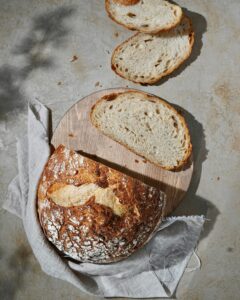
Sourdough Bread
Ingredients
- 500 g bread flour unbleached preferred
- 350 g water filtered, room temperature
- 100 g active sourdough starter fed and bubbly
- 10 g sea salt

Instructions
- In a large bowl, combine flour and water. Mix until no dry flour remains. Cover and let sit for 30-60 minutes (autolyse).
- Add active sourdough starter and salt to the dough. Mix thoroughly until well combined and no streaks remain.
- Perform bulk fermentation: Over the next 4-5 hours, perform 4 sets of coil folds every 30 minutes for the first 2 hours, then let rest undisturbed.
- Pre-shape the dough into a round and let rest 30 minutes. Then shape into a boule or batard.
- Place shaped dough seam-side up in a banneton or bowl lined with floured cloth. Cover and refrigerate 12-48 hours.
- Preheat Dutch oven to 500°F for 1 hour. Score the dough and bake covered for 20 minutes, then uncovered for 20-25 minutes until golden brown.
- Cool completely on a wire rack for at least 2 hours before slicing.