

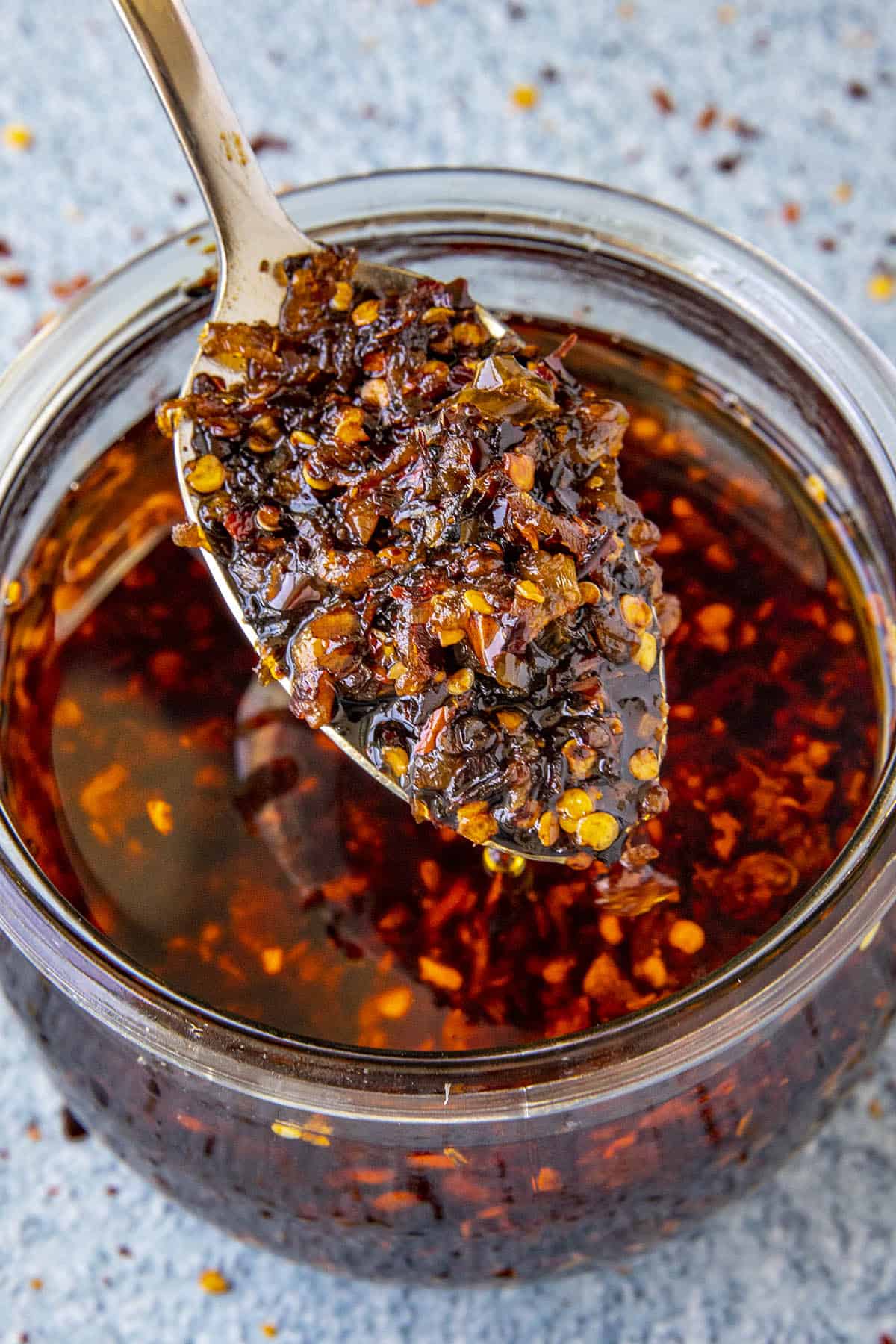
Ultimate Guide to Making Thai Chili Oil
Thai chili oil is a versatile condiment that can elevate the flavor of many dishes. Whether you’re drizzling it over noodles, using it as a dipping sauce, or incorporating it into your stir-fries, this spicy, aromatic oil is a must-have in your kitchen. Let’s explore the ingredients, step-by-step instructions, variations, and some creative uses for Thai chili oil.
Ingredients for Thai Chili Oil
- 1 cup neutral oil (e.g., vegetable, canola, or sunflower oil): Neutral oils are preferred because they don’t overpower the flavors of the chili and garlic. In this recipe we are going to use vegetable oil.
- 1/8 cup dried Thai chili flakes: These provide the heat and distinctive flavor. You can adjust the amount based on your heat tolerance.
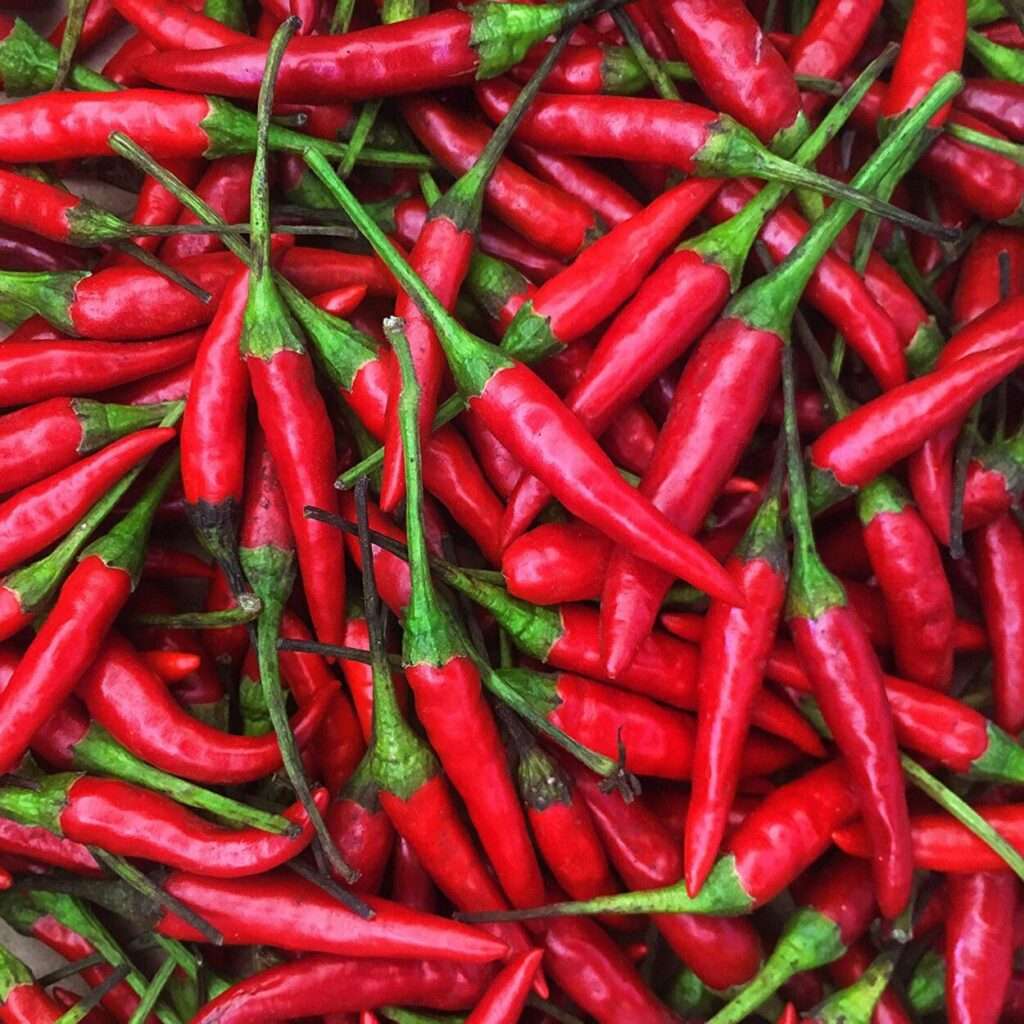
- 1/4 cup Thai chili or Birds Eyes Chilies: These also will provide heat and distinctive flavor. You can adjust the amount based on your heat tolerance. Using both of these will be very spicy so be cautious
- 3-4 cloves garlic, minced: Garlic adds a wonderful aroma and depth of flavor.
- 1 teaspoon salt: Enhances the overall taste.
- Optional: 1 small piece of ginger, finely chopped: Adds a subtle warmth and complexity.
- Optional: 1-2 star anise: For a hint of licorice flavor.
- Optional: 1 cinnamon stick: Adds a sweet, woody note.
- Optional: 1 tablespoon sesame seeds: For a nutty flavor and texture.
Instructions
- Prepare the Ingredients:
- Place the dried Thai chili flakes, minced garlic, and salt in a heat-proof bowl. If using ginger, star anise, cinnamon stick, or sesame seeds, add them to the bowl as well.
- Heat the Oil:
- In a small saucepan, heat the oil over medium heat until it reaches about 350-375°F (175-190°C). Be careful not to let it smoke. The high temperature helps to extract the flavors from the aromatics quickly.
- Combine and Infuse:
- Carefully pour the hot oil over the chili flakes, garlic, and other ingredients. The oil will sizzle and release the flavors from the ingredients.
- Stir the mixture to ensure everything is well combined. The heat will bloom the spices and aromatics, creating a rich, flavorful oil.
- Cool and Store:
- Let the chili oil cool to room temperature.
- Transfer the chili oil to a clean, airtight jar or container. Store it in a cool, dark place or in the refrigerator. The oil will keep for several weeks and the flavors will continue to develop over time.
Tips for Perfect Thai Chili Oil
- Oil Selection: Use a neutral oil to let the flavors of the chili and garlic shine. Avoid strong-flavored oils like olive oil.
- Heat Control: Be cautious with the oil temperature. Too hot, and you risk burning the garlic and chili flakes, which can make the oil bitter.
- Infusion Time: Allow the oil to infuse for at least a few hours before using it. This gives the flavors time to meld together.
- Straining: If you prefer a clear oil, you can strain out the solids after the oil has cooled. However, leaving the solids in adds more flavor over time.
Variations
- Smoky Chili Oil:
- Add a teaspoon of smoked paprika to the chili flakes for a smoky flavor.
- Use smoked chili flakes if available.
- Citrus Chili Oil:
- Add a strip of lemon or orange peel to the oil while heating. Remove the peel before pouring the oil over the chili flakes.
- Herbal Chili Oil:
- Add a few sprigs of fresh herbs like rosemary, thyme, or basil to the oil while heating. Remove the herbs before pouring the oil over the chili flakes.
- Nutty Chili Oil:
- Add a tablespoon of crushed peanuts or sesame seeds to the chili flakes for a nutty flavor and texture.
Creative Uses for Thai Chili Oil
- Noodle Dishes:
- Drizzle over your favorite noodle dishes like pad Thai, ramen, or lo mein for an extra kick of heat and flavor.
- Stir-Fries:
- Add a spoonful to your stir-fry dishes. It pairs well with vegetables, tofu, chicken, or shrimp.
- Soups:
- Enhance the flavor of soups like tom yum, pho, or wonton soup with a drizzle of chili oil.
- Dipping Sauce:
- Mix with soy sauce, vinegar, and a touch of sugar for a delicious dipping sauce for dumplings, spring rolls, or grilled meats.
- Marinades:
- Incorporate chili oil into marinades for meats and vegetables. It adds a depth of flavor and a spicy kick.
- Salad Dressings:
- Whisk chili oil with lime juice, fish sauce, and a bit of sugar for a spicy and tangy salad dressing.
- Pizza and Pasta:
- Drizzle over pizza or pasta dishes for a unique twist. It pairs especially well with seafood pasta.
- Egg Dishes:
- Add a few drops to scrambled eggs, omelets, or fried eggs for a spicy breakfast treat.
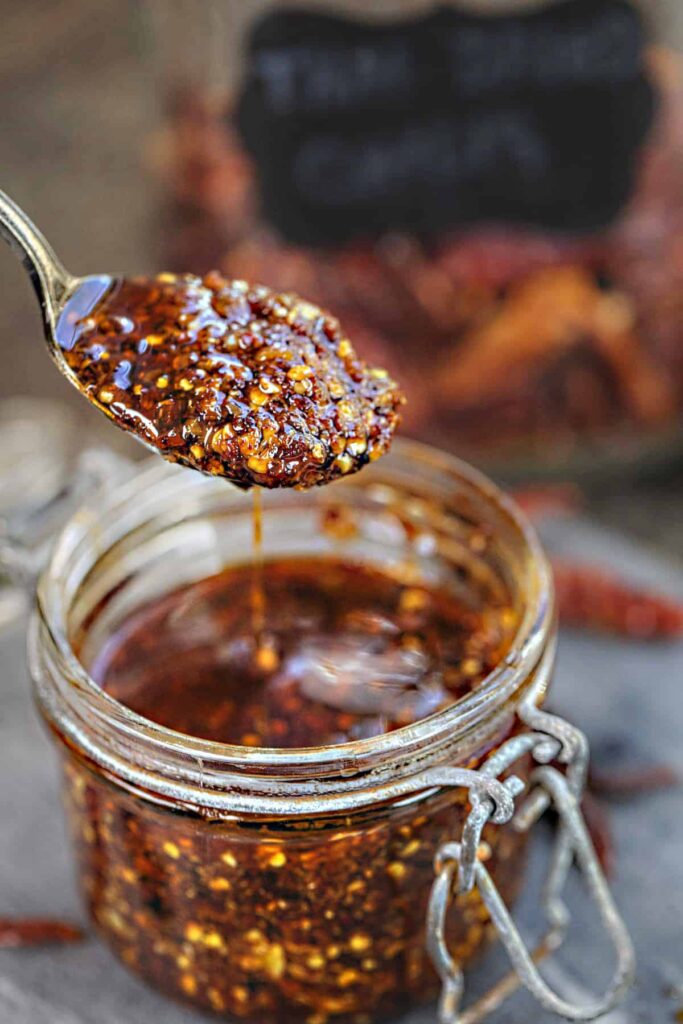
Health Benefits of Chili Oil
- Capsaicin: The active component in chili peppers, capsaicin, has been shown to boost metabolism, reduce pain, and improve digestion.
- Antioxidants: Chili peppers and garlic are rich in antioxidants, which help fight inflammation and protect against chronic diseases.
- Heart Health: Garlic is known for its heart-healthy benefits, including lowering blood pressure and cholesterol levels.
Storing and Preserving Chili Oil
- Shelf Life: Homemade chili oil can last for several weeks when stored properly. Keep it in a cool, dark place or in the refrigerator to extend its shelf life.
- Signs of Spoilage: If the oil develops an off smell, cloudy appearance, or mold, it’s time to discard it.
- Freezing: For longer storage, you can freeze chili oil in ice cube trays. Once frozen, transfer the cubes to a freezer bag. This way, you can thaw small portions as needed.
Troubleshooting Common Issues
- Bitter Taste: If your chili oil tastes bitter, it might be due to burning the garlic or chili flakes. Ensure the oil is not too hot and monitor closely while heating.
- Cloudy Oil: Cloudiness can occur if the oil is not strained properly. If you prefer clear oil, strain out the solids after cooling.
- Weak Flavor: If the oil lacks flavor, try increasing the amount of chili flakes or garlic. Allowing the oil to infuse longer can also enhance the flavor.
Conclusion – Thai Chili Oil
Making Thai chili oil at home is a simple yet rewarding process. With a few basic ingredients and some creativity, you can create a versatile condiment that adds a burst of flavor to countless dishes. Whether you stick to the classic recipe or experiment with variations, homemade chili oil is sure to become a staple in your kitchen.
Also Read: Larb Gai Recipe
Or Try: Panera Thai Chicken Soup
Ultimate Guide to Making Thai Chili Oil
Thai chili oil is a versatile condiment that can elevate the flavor of many dishes. Whether you’re drizzling it over noodles, using it as a dipping sauce, or incorporating it into your stir-fries, this spicy, aromatic oil is a must-have in your kitchen. Let’s explore the ingredients, step-by-step instructions, variations, and some creative uses for Thai chili oil.
Ingredients
- 1 cup neutral oil e.g., vegetable, canola, or sunflower oil: Neutral oils are preferred because they don’t overpower the flavors of the chili and garlic. In this recipe we are going to use vegetable oil.
- 1/8 cup dried Thai chili flakes: These provide the heat and distinctive flavor. You can adjust the amount based on your heat tolerance.
- 1/4 cup Thai chili or Birds Eyes Chilies: These also will provide heat and distinctive flavor. You can adjust the amount based on your heat tolerance. Using both of these will be very spicy so be cautious
- 3-4 cloves garlic minced: Garlic adds a wonderful aroma and depth of flavor.
- 1 teaspoon salt: Enhances the overall taste.
- Optional: 1 small piece of ginger finely chopped: Adds a subtle warmth and complexity.
- Optional: 1-2 star anise: For a hint of licorice flavor.
- Optional: 1 cinnamon stick: Adds a sweet woody note.
- Optional: 1 tablespoon sesame seeds: For a nutty flavor and texture.

Instructions
Prepare the Ingredients:
- Place the dried Thai chili flakes, minced garlic, and salt in a heat-proof bowl. If using ginger, star anise, cinnamon stick, or sesame seeds, add them to the bowl as well.
Heat the Oil:
- In a small saucepan, heat the oil over medium heat until it reaches about 350-375°F (175-190°C). Be careful not to let it smoke. The high temperature helps to extract the flavors from the aromatics quickly.
Combine and Infuse:
- Carefully pour the hot oil over the chili flakes, garlic, and other ingredients. The oil will sizzle and release the flavors from the ingredients.
- Stir the mixture to ensure everything is well combined. The heat will bloom the spices and aromatics, creating a rich, flavorful oil.
Cool and Store:
- Let the chili oil cool to room temperature.
- Transfer the chili oil to a clean, airtight jar or container. Store it in a cool, dark place or in the refrigerator. The oil will keep for several weeks and the flavors will continue to develop over time.
Notes
Ultimate Guide to Making Thai Chili Oil
Nutrition
Calories: 139kcalCarbohydrates: 1gProtein: 0.4gFat: 15gSaturated Fat: 1gPolyunsaturated Fat: 4gMonounsaturated Fat: 10gTrans Fat: 0.1gSodium: 33mgPotassium: 49mgFiber: 1gSugar: 0.3gVitamin A: 614IUVitamin C: 6mgCalcium: 8mgIron: 0.4mg
