

There’s something deeply satisfying about watching eggs slowly cook in a bubbling, spice-kissed tomato sauce while the aroma of cumin, paprika, and fresh herbs fills your kitchen. Shakshuka, the beloved Middle Eastern dish that has captured hearts worldwide, represents everything I love about wholesome, nourishing cooking: simple ingredients transformed into something extraordinary through the magic of proper technique and bold spices.
This one-skillet wonder originated in North Africa and has become a staple across the Mediterranean, with each region adding its own signature touches. What draws me to shakshuka isn’t just its incredible flavor—though the combination of sweet tomatoes, warming spices, and perfectly runny eggs is absolutely divine—but how it embodies the principles of balanced, nutritious eating. You’re getting high-quality protein from farm-fresh eggs, lycopene-rich tomatoes packed with antioxidants, and a rainbow of spices that offer both flavor and wellness benefits. It’s comfort food that actually nourishes your body.
Whether you’re looking for a protein-rich breakfast to fuel your morning, a satisfying lunch that won’t leave you sluggish, or a light dinner that feels indulgent but won’t derail your wellness goals, shakshuka delivers on every front. Plus, it’s naturally gluten-free and vegetarian, making it a crowd-pleaser for various dietary preferences.
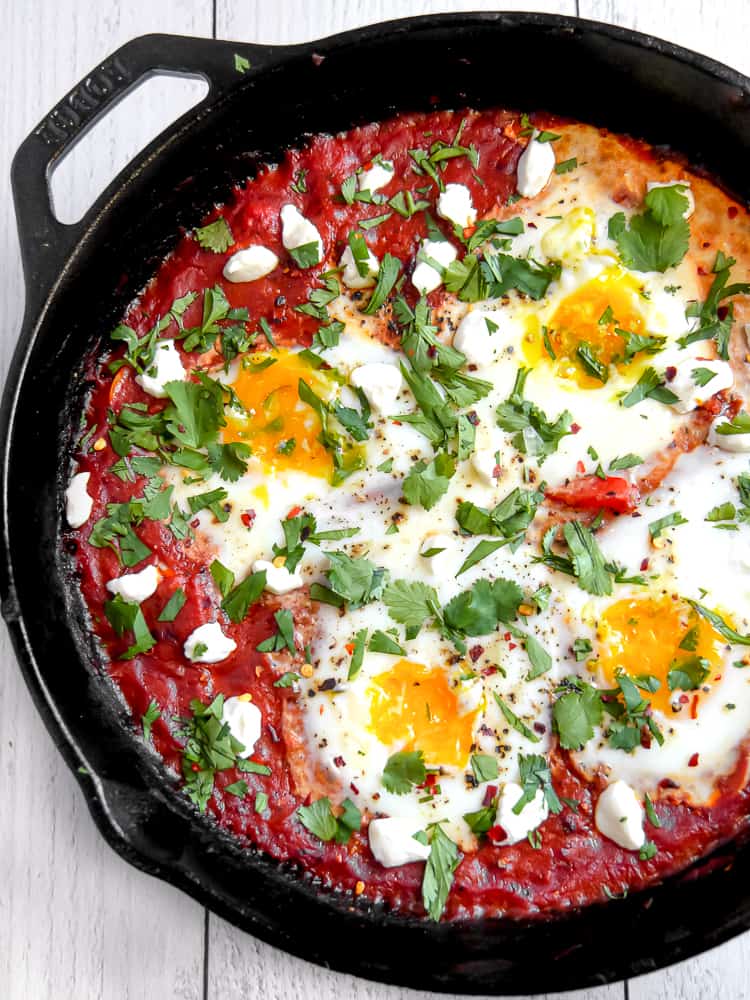
Why You’ll Love This Recipe
This shakshuka recipe strikes the perfect balance between authentic flavors and modern nutritional awareness. Unlike versions that rely heavily on oil or processed ingredients, this recipe celebrates clean, whole foods while delivering maximum flavor impact. The spice blend is carefully calibrated to provide warmth and depth without overwhelming heat, making it approachable for all palates.
You’ll appreciate how quickly this comes together—most of the cooking is hands-off simmering, giving you time to prep your day while breakfast essentially makes itself. The one-pan preparation means minimal cleanup, and the dish is naturally designed for sharing, making it perfect for weekend brunches or casual entertaining.
From a wellness perspective, you’re getting a complete meal with high-quality protein, healthy fats, and an impressive array of vitamins and antioxidants. The lycopene in tomatoes becomes more bioavailable when cooked, the eggs provide all essential amino acids, and the spice blend offers anti-inflammatory compounds. It’s the kind of meal that satisfies both your taste buds and your commitment to nourishing your body well.
Key Ingredients
The beauty of shakshuka lies in its simplicity, built around a handful of high-quality ingredients that each play a crucial role. San Marzano or other high-quality canned tomatoes form the sauce’s foundation—their natural sweetness and rich umami create depth without needing added sugars or artificial enhancers. Fresh bell peppers add both sweetness and a satisfying texture, while providing vitamin C and colorful antioxidants. The spice trio of smoked paprika, ground cumin, and a touch of cayenne creates the dish’s signature warming flavor profile, with paprika adding smokiness, cumin bringing earthiness, and cayenne providing gentle heat. Farm-fresh eggs are absolutely essential here—their rich, orange yolks not only create the dish’s stunning visual appeal but also provide the highest quality protein and healthy fats. Fresh garlic and onions build the aromatic base, offering both flavor complexity and natural immune-supporting compounds. Finally, a sprinkle of fresh herbs like cilantro or parsley brightens the entire dish, much like the fresh elements that make our Mediterranean chicken bowl so vibrant and satisfying.
Pro Tips & Variations

The key to exceptional shakshuka lies in building layers of flavor and achieving the perfect egg consistency. Start by taking your time with the aromatics—properly caramelized onions and garlic create a sweet, complex base that elevates the entire dish. When adding the spices, toast them for 30-60 seconds until fragrant before adding the tomatoes; this simple step dramatically intensifies their flavors.
For the sauce consistency, aim for something slightly thicker than marinara but not as thick as paste. If your sauce seems too watery after simmering, continue cooking uncovered until it reduces. Conversely, if it becomes too thick, add a splash of water or broth. The sauce should be gently bubbling when you add the eggs—this ensures they cook evenly without overcooking the bottoms.
Egg technique is crucial: create small wells in the sauce with a spoon before cracking each egg directly into its own well. This prevents them from spreading too much and helps maintain distinct yolks. For consistently runny yolks, aim for 8-10 minutes of gentle simmering with the lid on.
For variations, consider adding crumbled feta or goat cheese during the last few minutes of cooking for extra richness. Roasted eggplant or zucchini can bulk up the vegetable content, while a handful of fresh spinach wilted into the sauce boosts the nutrition profile. Some regions add preserved lemons or harissa for authentic North African flavors, while others incorporate fresh herbs like mint or dill for brightness.
The cooking vessel matters too—a well-seasoned cast iron skillet or enameled Dutch oven distributes heat evenly and can go directly from stovetop to table for an impressive presentation. This attention to proper technique and equipment is similar to what makes dishes like Lebanese kafta kebabs so successful—respecting traditional methods while focusing on quality ingredients.
Nutritional Highlights
Shakshuka is a nutritional powerhouse disguised as comfort food, delivering an impressive array of health benefits in every serving. The eggs provide complete protein with all nine essential amino acids, supporting muscle maintenance and keeping you satisfied for hours. Their rich yolks contain choline for brain health, lutein and zeaxanthin for eye health, and vitamin D for bone strength. The tomato base is loaded with lycopene, a powerful antioxidant that becomes more bioavailable when cooked, potentially supporting heart health and providing anti-inflammatory benefits. Bell peppers contribute vitamin C—more than oranges per serving—along with vitamin A and folate. The spice blend isn’t just for flavor; cumin aids digestion, paprika provides vitamin E, and the capsaicin in cayenne may boost metabolism. At approximately 250 calories per serving when enjoyed with a modest portion of whole grain bread, shakshuka provides exceptional nutritional density while fitting comfortably into a balanced eating plan. This nutrient-dense profile makes it an excellent choice for those seeking satisfying meals that support overall wellness goals.
FAQ
Can I make shakshuka ahead of time?
While shakshuka is best enjoyed fresh, you can prepare the tomato sauce base up to 2 days in advance and store it in the refrigerator. When ready to serve, simply reheat the sauce in your skillet until simmering, then crack in fresh eggs and cook as directed. The eggs should always be cooked fresh for the best texture and food safety. You can also freeze the sauce base for up to 3 months—just thaw overnight in the refrigerator before reheating and adding eggs.
What can I substitute for the eggs if I’m following a vegan diet?
For a delicious vegan version, try crumbling firm tofu seasoned with nutritional yeast and a pinch of turmeric into the sauce for protein and a golden color. Alternatively, create wells in the sauce and fill them with seasoned ricotta made from cashews, or simply serve the spiced tomato sauce over grain bowls or with crusty bread. The sauce itself is incredibly flavorful and satisfying even without eggs, making an excellent base for various plant-based proteins.
How do I prevent the eggs from overcooking?
The key to perfectly runny yolks is gentle, controlled heat and proper timing. Keep your burner on medium-low once you add the eggs, and cover the skillet to create gentle, even cooking. Start checking the eggs after 6-8 minutes—the whites should be mostly set but the yolks still jiggly. Remember that the eggs will continue cooking slightly even after removing from heat due to residual heat from the sauce and pan, so err on the side of slightly underdone rather than overcooked.

Shakshuka represents everything beautiful about Mediterranean and Middle Eastern cuisine—bold flavors, wholesome ingredients, and the kind of soul-warming satisfaction that turns a simple meal into a memorable experience. This dish proves that healthy eating doesn’t require sacrificing flavor or comfort, and that some of the world’s most nourishing foods are also the most delicious.
Whether you’re serving this for a leisurely weekend brunch, a quick weeknight dinner, or as part of a larger Mediterranean spread, shakshuka brings people together around the table. The dramatic presentation in its cooking skillet, the interactive element of breaking those golden yolks, and the satisfying combination of flavors create the kind of dining experience that builds lasting food memories.
I’d love to hear how this recipe works in your kitchen! Share your photos and any creative variations you try—food is always better when we share the joy with our community. Don’t forget to save this recipe for those mornings when you want something special but don’t want to spend hours in the kitchen.
Find the complete recipe card below ↓
Shakshuka
Ingredients
- 2 tablespoons extra virgin olive oil
- 1 large yellow onion diced
- 1 large red bell pepper diced
- 4 cloves garlic minced
- 1 teaspoon ground cumin
- 1 teaspoon smoked paprika
- 1/4 teaspoon cayenne pepper or to taste
- 1 can crushed tomatoes 28 oz, high quality
- 1/2 teaspoon sea salt or to taste
- 1/4 teaspoon black pepper freshly ground
- 6 large eggs farm-fresh if possible
- 1/4 cup fresh cilantro chopped
- 2 tablespoons fresh parsley chopped
- 4 slices crusty bread for serving

Instructions
- Heat olive oil in a large cast iron skillet or heavy-bottomed pan over medium heat. Add the diced onion and cook for 5-6 minutes until softened and lightly golden.
- Add the bell pepper and cook for another 4-5 minutes until tender. Stir in the minced garlic and cook for 1 minute until fragrant.
- Add cumin, paprika, and cayenne to the vegetables. Stir constantly for 30-60 seconds until the spices are fragrant and well combined.
- Pour in the crushed tomatoes, salt, and black pepper. Bring to a gentle simmer, then reduce heat to medium-low and let the sauce simmer for 12-15 minutes, stirring occasionally, until it thickens slightly.
- Taste and adjust seasoning as needed. The sauce should be flavorful and slightly thick but still saucy.
- Using a spoon, create 6 small wells in the sauce. Carefully crack each egg into a small bowl first, then gently slide into each well.
- Cover the skillet and cook for 8-12 minutes, depending on how runny you prefer your yolks. For runny yolks, aim for 8-10 minutes.
- Remove from heat and let stand for 2-3 minutes. Sprinkle with fresh cilantro and parsley.
- Serve immediately with warm crusty bread for dipping. Provide spoons and forks for each person.