

There’s something almost magical about watching a can of humble chickpeas transform into silky, cloud-like creamy hummus in your food processor. It’s a transformation that speaks to the heart of what I love most about cooking—taking simple, wholesome ingredients and creating something that nourishes both body and soul. When I first learned to make hummus from my Lebanese neighbor years ago, I was amazed at how a few pantry staples could create something so much more luxurious and flavorful than anything I’d ever bought from the store.
The secret to truly exceptional creamy hummus isn’t just in the ingredients—though we’ll talk about those—it’s in understanding that this ancient Middle Eastern staple is so much more than a dip. It’s a protein powerhouse, a vehicle for healthy fats, and a canvas for endless creativity. Whether you’re spreading it on warm pita, using it as a base for Mediterranean chicken bowls, or simply enjoying it with fresh vegetables, homemade hummus brings both nutrition and pure comfort to your table.
What I’ve discovered over years of perfecting this recipe is that the difference between good hummus and transcendent hummus lies in a few simple techniques that anyone can master. The result is a creamy, dreamy spread that’s not only incredibly satisfying but also supports your health and wellness goals with every spoonful.
Why You’ll Love This Recipe
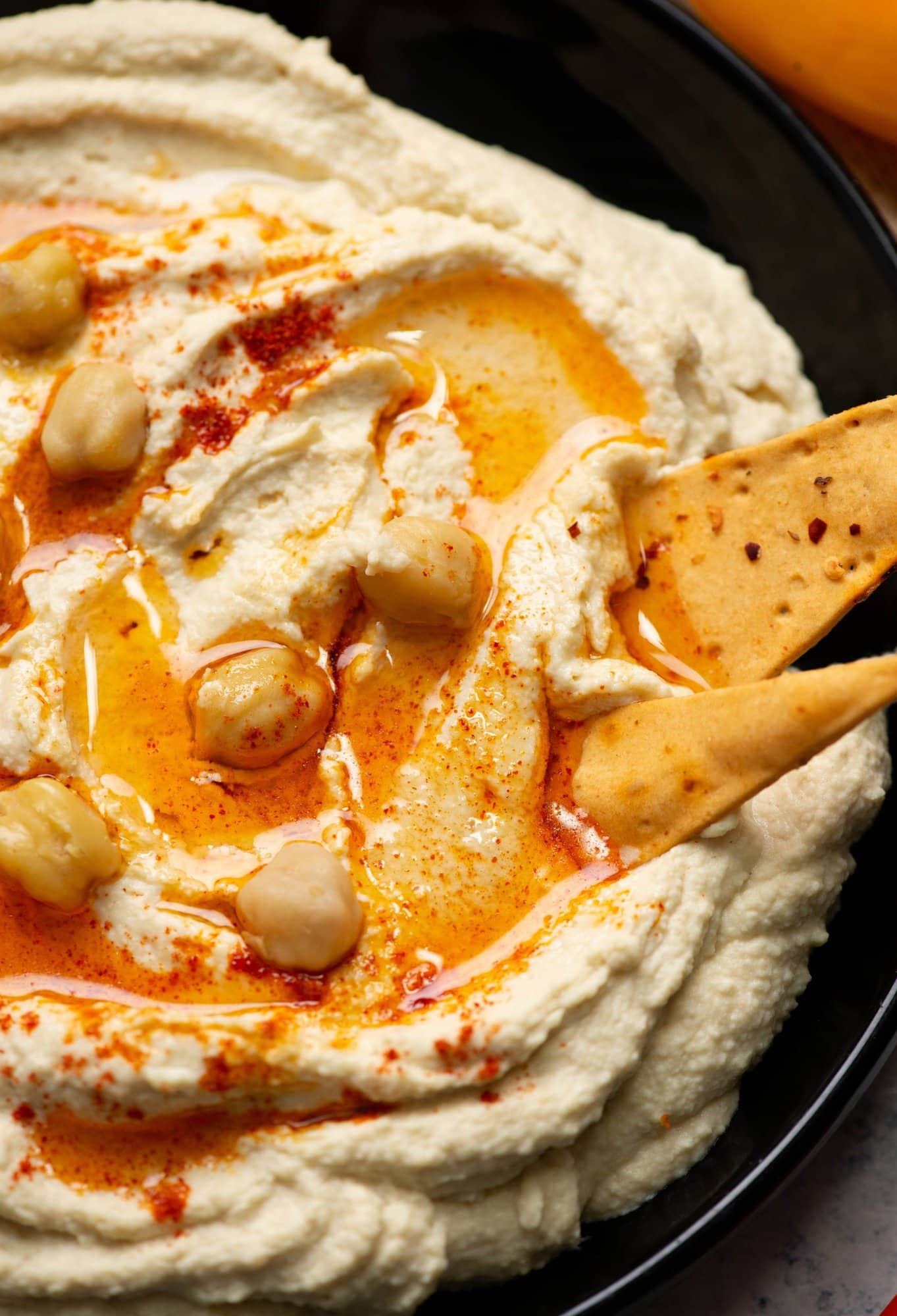
This creamy hummus recipe delivers everything you want in a healthy, satisfying snack or meal component. Unlike store-bought versions that often contain preservatives and excess sodium, this homemade version gives you complete control over every ingredient. The texture is impossibly smooth and creamy—the kind that makes you wonder how something so simple can taste so luxurious.
From a nutritional standpoint, this hummus is a powerhouse. Each serving provides plant-based protein, fiber, and healthy fats that help keep you satisfied and energized. It’s naturally gluten-free, vegan, and packed with nutrients like folate, manganese, and vitamin B6. The tahini provides essential minerals, while the lemon juice adds vitamin C and helps your body absorb the iron from the chickpeas.
But beyond the health benefits, this recipe is incredibly versatile and forgiving. You can make it as garlicky or as mild as you prefer, adjust the consistency to your liking, and customize it with endless variations. It keeps beautifully in the refrigerator for up to a week, making it perfect for meal prep and healthy snacking throughout the week.
Key Ingredients
The beauty of creamy hummus lies in its simplicity, but each ingredient plays a crucial role in creating that perfect balance of flavor and texture. Chickpeas, obviously, are the star—I prefer using dried chickpeas that I cook myself for the creamiest results, though high-quality canned chickpeas work beautifully too. The key is ensuring they’re well-cooked and warm when you blend them, which helps create that silky smooth texture we’re after.
Tahini is your secret weapon for both creaminess and depth of flavor. This sesame seed paste adds richness and a subtle nuttiness that makes hummus taste authentically Middle Eastern. Don’t skip it or substitute it—good quality tahini is worth seeking out and makes all the difference. Fresh lemon juice brightens everything up and helps balance the richness, while also acting as a natural emulsifier to keep your hummus smooth. Garlic adds that essential bite, and I always use it raw for the most vibrant flavor, though you can roast it first if you prefer a mellower taste. Finally, good olive oil isn’t just for drizzling on top—it gets blended right into the hummus for extra richness and helps achieve that restaurant-quality creaminess.
Pro Tips & Variations
The secret to achieving restaurant-quality creamy hummus at home lies in a few key techniques that most recipes don’t tell you about. First, temperature matters—using warm chickpeas creates a much creamier final product than cold ones. If you’re using canned chickpeas, rinse them thoroughly and warm them gently in a saucepan with a little water before draining and adding to your food processor.
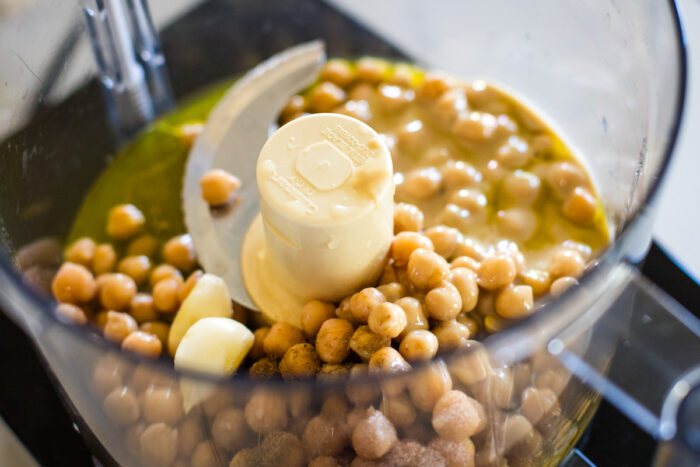
Another game-changing tip is to process your tahini and lemon juice together first, before adding the chickpeas. This creates a light, fluffy base that helps incorporate air and creates that cloud-like texture. When you do add the chickpeas, be patient and let your food processor work—it can take 2-3 minutes of continuous processing to achieve true smoothness. Don’t be tempted to stop too early.
For variations that keep things healthy and interesting, try roasted red pepper hummus by adding one roasted red pepper during processing. Serious Eats has excellent tips for achieving ultra-smooth texture through their detailed testing. You can also create a gorgeous green goddess version by blending in fresh herbs like parsley, cilantro, or basil. For a warming winter variation, add roasted garlic and a pinch of smoked paprika.
If you want to boost the protein content even further, try adding a tablespoon of hemp hearts or a scoop of neutral-tasting protein powder during blending. The beauty of hummus is how adaptable it is to your nutritional needs and taste preferences while maintaining its wholesome foundation.
Nutritional Highlights
This creamy hummus is a nutritional powerhouse that perfectly aligns with clean eating principles while satisfying your cravings for something rich and indulgent. Each serving provides approximately 8 grams of plant-based protein and 6 grams of fiber, making it an excellent choice for stable blood sugar and lasting satiety. The chickpeas are loaded with folate, which supports cellular function and energy production, while the tahini contributes healthy monounsaturated fats and important minerals like copper and selenium.
What I love most about serving hummus as part of a healthy lifestyle is how it naturally encourages you to eat more vegetables. Whether you’re dipping colorful bell peppers, crisp cucumbers, or using it as a spread in place of less nutritious options, hummus makes healthy eating feel indulgent rather than restrictive. The combination of protein, fiber, and healthy fats also makes it an excellent pre or post-workout snack, providing sustained energy without the crash that comes from processed snacks. Food Network’s Alton Brown emphasizes the importance of proper technique for achieving the smoothest possible texture.
FAQ
Can I make this creamy hummus ahead of time?
Yes, hummus actually improves in flavor when made ahead! Store it covered in the refrigerator for up to one week. The flavors will meld and develop, making it even more delicious. Before serving, let it come to room temperature and give it a good stir. You can refresh it with a drizzle of olive oil and a squeeze of fresh lemon juice if needed.
What can I substitute for tahini if I can’t find it?
While tahini is really essential for authentic flavor and texture, you can substitute it with natural almond butter, sunflower seed butter, or even cashew butter in a pinch. Use about 3/4 the amount called for, as these alternatives tend to be thicker than tahini. The flavor will be different but still delicious. Many health food stores and even regular grocery stores now carry tahini in the international or health food section.
How do I store leftover hummus and keep it fresh?
Store hummus in an airtight container in the refrigerator for up to one week. To prevent it from drying out, smooth the surface and drizzle with a thin layer of olive oil before covering. If it thickens in the fridge, simply stir in a tablespoon of warm water or lemon juice to restore the creamy consistency. You can also freeze portions in ice cube trays for up to 3 months—just thaw and stir before serving.
Conclusion
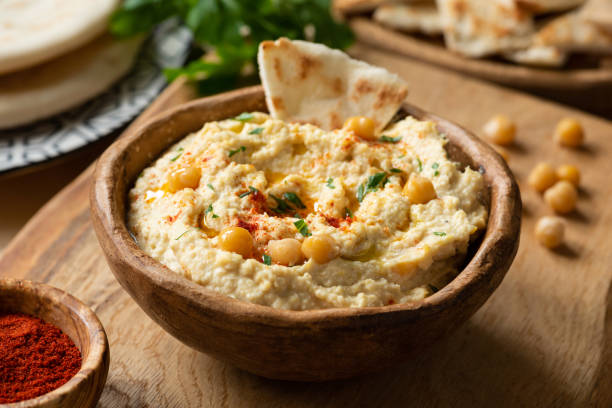
Making your own creamy hummus at home is one of those simple pleasures that pays dividends in both flavor and nutrition. This recipe proves that eating well doesn’t mean sacrificing taste or satisfaction—in fact, it often means discovering that the most nourishing foods are also the most delicious. Whether you’re meal prepping for the week, entertaining friends, or just wanting a healthy snack that feels like a treat, this hummus delivers on every level.
I’d love to hear how this recipe works in your kitchen! Share your favorite variations in the comments below, and don’t forget to save this recipe for your next healthy cooking session. Tag me in your photos—there’s nothing I love more than seeing how you make this recipe your own.
Find the complete recipe card below ↓

Creamy Hummus
Ingredients
- 1 can chickpeas 15 oz, drained and rinsed (reserve 1/4 cup liquid)
- 1/4 cup tahini well-stirred
- 3 tablespoons fresh lemon juice about 1 large lemon
- 2 cloves garlic minced
- 3 tablespoons extra virgin olive oil divided
- 1/2 teaspoon sea salt or to taste
- 1/4 teaspoon ground cumin
- 2-4 tablespoons warm water as needed
- 1 pinch paprika for garnish

Instructions
- In a food processor, combine tahini and lemon juice. Process for 1 minute until light and fluffy.
- Add 2 tablespoons olive oil, garlic, salt, and cumin. Process for 30 seconds until well combined.
- Add half the chickpeas and process for 1 minute. Scrape down sides and add remaining chickpeas.
- Process for 2-3 minutes until very smooth and creamy. While running, slowly add 2-4 tablespoons warm water until desired consistency is reached.
- Taste and adjust seasoning with additional salt, lemon juice, or garlic as needed.
- Transfer to serving bowl and use the back of a spoon to create a shallow well in the center.
- Drizzle with remaining olive oil and sprinkle with paprika. Serve immediately or refrigerate until ready to use.