

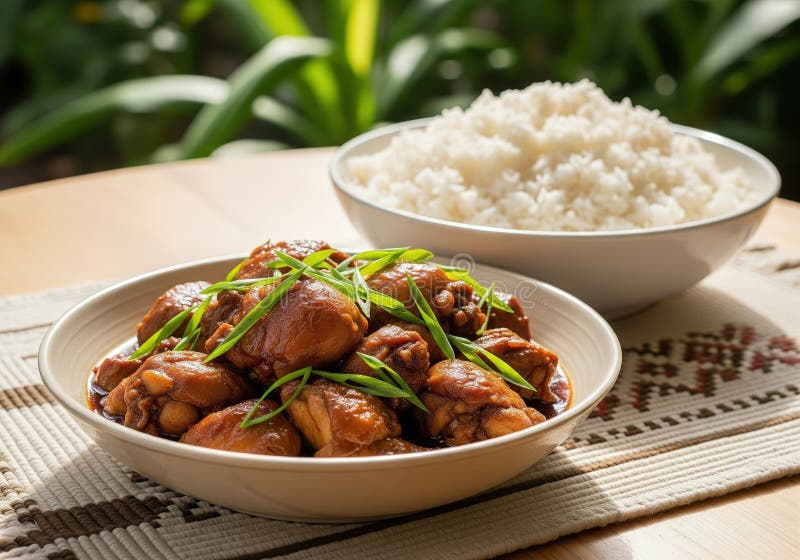
There’s something deeply comforting about the aroma of Filipino Chicken Adobo simmering on the stove—that perfect marriage of tangy vinegar, savory soy sauce, and aromatic garlic that transforms humble chicken into something extraordinary. This isn’t just a recipe; it’s a gateway to understanding how traditional cooking methods naturally create nourishing, balanced meals that have sustained families for generations. The beauty of adobo lies in its simplicity and the way it concentrates nutrients while developing complex, soul-satisfying flavors.
What makes this dish particularly special from a wellness perspective is how the traditional cooking method—braising chicken in a tangy, umami-rich sauce—naturally breaks down tough fibers while preserving the protein’s nutritional value. The acidic components help your body absorb iron and other minerals more effectively, while the minimal ingredient list means you know exactly what you’re putting into your body. Unlike many comfort foods that rely on heavy cream or excessive amounts of refined ingredients, Filipino Chicken Adobo achieves its rich, satisfying taste through the slow melding of whole, recognizable ingredients.
This version honors the traditional flavors while focusing on clean ingredients and mindful preparation techniques that maximize both nutrition and taste. It’s the kind of dish that proves healthy eating doesn’t mean sacrificing the bold, comforting flavors we crave—especially when you’re seeking something as nourishing and satisfying as our Instant Pot Beef Stew but with entirely different flavor profiles.
Why You’ll Love This Recipe
This Filipino Chicken Adobo delivers everything you want from comfort food while supporting your health goals. The protein content is exceptional—each serving provides nearly 40 grams of high-quality protein that keeps you satisfied for hours. The cooking method requires minimal added fats, as the chicken releases its own natural juices that meld with the tangy braising liquid to create a rich, flavorful sauce.
From a practical standpoint, this dish is a meal prep champion. The flavors actually improve over time, making it perfect for batch cooking on Sunday to enjoy throughout the week. The ingredient list is refreshingly short and consists entirely of pantry staples and whole foods—no artificial additives, preservatives, or hard-to-pronounce ingredients. It’s naturally gluten-free when made with tamari instead of soy sauce, and the cooking method is virtually foolproof.
The versatility factor is huge too. While traditional adobo is perfect as-is, this recipe serves as an excellent base for incorporating additional vegetables like potatoes, carrots, or green beans, turning it into a complete one-pot meal that rivals the convenience and nutrition of dishes like our Kung Pao Chicken.
Key Ingredients
The magic of Filipino Chicken Adobo lies in how just a few key ingredients create such complex, satisfying flavors. Chicken thighs are the star here—they’re more forgiving than breast meat, staying tender and juicy throughout the braising process while providing higher levels of iron and zinc. The skin-on variety adds natural richness, though skinless works beautifully for a leaner option. Apple cider vinegar brings the signature tang while offering potential digestive benefits and helping to naturally tenderize the meat. Soy sauce (or tamari for gluten-free needs) contributes the essential umami depth and provides beneficial amino acids. Fresh garlic and bay leaves round out the aromatic base, with garlic offering immune-supporting compounds and bay leaves contributing subtle herbal complexity that makes the entire dish feel more sophisticated than its simple ingredient list suggests. Brown sugar or coconut sugar adds just enough sweetness to balance the acidity while supporting the beautiful caramelization that develops during cooking.
Pro Tips & Variations
The key to exceptional Filipino Chicken Adobo lies in patience during the braising process. Don’t rush the initial browning—taking time to develop a golden crust on the chicken creates deeper flavors throughout the dish. When adding the liquids, resist the urge to stir too frequently; let the sauce reduce naturally to concentrate those bold flavors. Proper braising technique is crucial for achieving that perfect tender texture.
For variations that boost nutrition even further, try adding diced potatoes during the last 15 minutes of cooking for extra fiber and potassium. Root vegetables like carrots and daikon radish work beautifully and absorb the flavorful sauce. If you’re following a lower-sodium eating plan, use reduced-sodium soy sauce and add extra garlic and ginger for flavor complexity. The dish is naturally keto-friendly when served without rice, and the sauce pairs wonderfully with cauliflower rice or spiralized vegetables.
Storage tip: This dish actually improves overnight as the flavors continue to meld. Store covered in the refrigerator for up to 4 days, or freeze portions for up to 3 months. When reheating, add a splash of water or broth to loosen the sauce if needed.
Nutritional Highlights
From a nutritional standpoint, Filipino Chicken Adobo is remarkably well-balanced for such an indulgent-tasting dish. Each serving provides substantial protein—nearly 40 grams—which supports muscle maintenance, satiety, and steady blood sugar levels. The chicken thighs offer a rich source of selenium, phosphorus, and B-vitamins, particularly B6 and niacin, which support energy metabolism and nervous system function. The garlic contributes allicin compounds that may support cardiovascular health, while the vinegar has been associated with improved insulin sensitivity. Unlike many comfort foods, this dish is relatively low in refined carbohydrates, making it suitable for various eating styles. The cooking method requires minimal added fats, and the natural reduction of the braising liquid concentrates flavors without concentrating excessive calories. The umami-rich ingredients create deep satisfaction, which can help prevent overeating and support mindful eating practices.
Frequently Asked Questions
Can I make this ahead of time?
Yes, Filipino Chicken Adobo is actually better when made ahead! The flavors develop and intensify overnight, making it perfect for meal prep. You can prepare it up to 3 days in advance and store it covered in the refrigerator. When reheating, do so gently over medium-low heat, adding a splash of water or broth if the sauce has thickened too much. This also makes it an excellent option for entertaining since you can prepare it entirely in advance.
What can I substitute for soy sauce to make it gluten-free?
Tamari is the best substitute for soy sauce in this recipe—it provides the same deep, salty umami flavor without the gluten. Use the same amount called for in the recipe. Coconut aminos work as well, though they’re slightly sweeter and less salty, so you may want to add a pinch of sea salt to balance the flavors. Both alternatives maintain the authentic taste profile while accommodating gluten-free dietary needs.
How do I store leftovers and what’s the best way to reheat them?
Store leftover adobo in an airtight container in the refrigerator for up to 4 days, or freeze for up to 3 months. For best results, reheat gently in a skillet over medium-low heat rather than using the microwave, which can make the chicken tough. Add a tablespoon or two of water or chicken broth to loosen the sauce if it has thickened during storage. The dish reheats beautifully and often tastes even better the next day as the flavors continue to meld.
Conclusion
This Filipino Chicken Adobo proves that the most nourishing meals often come from the simplest ingredients prepared with care and intention. It’s comfort food that actually comforts your body as much as your soul—delivering substantial nutrition while satisfying those deep cravings for bold, complex flavors. Whether you’re new to Filipino cuisine or looking to add more internationally-inspired healthy dishes to your rotation, this recipe offers the perfect introduction to how traditional cooking methods naturally create balanced, wholesome meals.
The beauty of this dish extends beyond its incredible taste to its practical benefits: it’s budget-friendly, meal-prep friendly, and adaptable to various dietary needs while maintaining its authentic character. Save this recipe for your next batch cooking session, and don’t forget to share your results—tag us on social media to show how you’ve made this nourishing comfort food your own!
Find the complete recipe card below ↓
Filipino Chicken Adobo
Tender chicken braised in a tangy, umami-rich sauce made with soy sauce, vinegar, and garlic. A healthy, protein-packed comfort food that’s naturally gluten-free and perfect for meal prep.
Ingredients
- 2 lbs chicken thighs (bone-in, skin-on or skinless)
- 1/2 cup soy sauce (or tamari for gluten-free)
- 1/2 cup apple cider vinegar
- 6 cloves garlic (minced)
- 3 bay leaves
- 2 tablespoons brown sugar (or coconut sugar)
- 1 tablespoon avocado oil
- 1/2 teaspoon black pepper (freshly ground)
- 1/4 cup water (or chicken broth)
- 2 green onions (sliced for garnish)
Instructions
- Pat chicken thighs dry with paper towels and season with black pepper. Heat avocado oil in a large, heavy-bottomed pot or Dutch oven over medium-high heat.
- Brown the chicken thighs skin-side down first, about 4-5 minutes per side until golden brown. Work in batches if necessary to avoid overcrowding. Remove chicken and set aside.
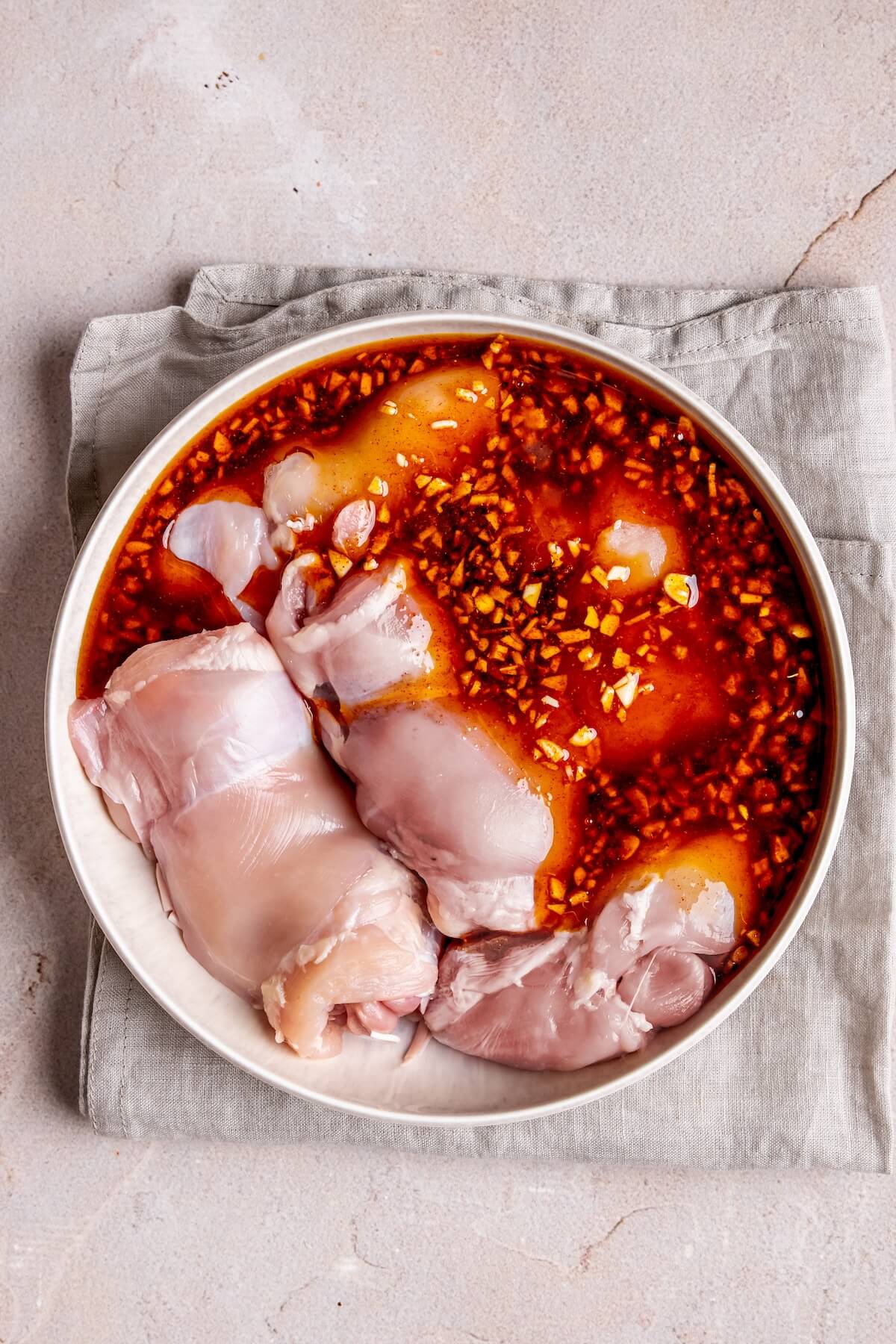
- In the same pot, add minced garlic and sauté for 30 seconds until fragrant. Add soy sauce, apple cider vinegar, brown sugar, bay leaves, and water. Stir to combine.
- Return chicken to the pot, nestling pieces into the sauce. Bring to a boil, then reduce heat to low and cover. Simmer for 30-35 minutes until chicken is tender and sauce has reduced.
- Remove the lid and increase heat to medium. Continue cooking for 8-10 minutes, turning chicken occasionally, until sauce thickens and becomes glossy.
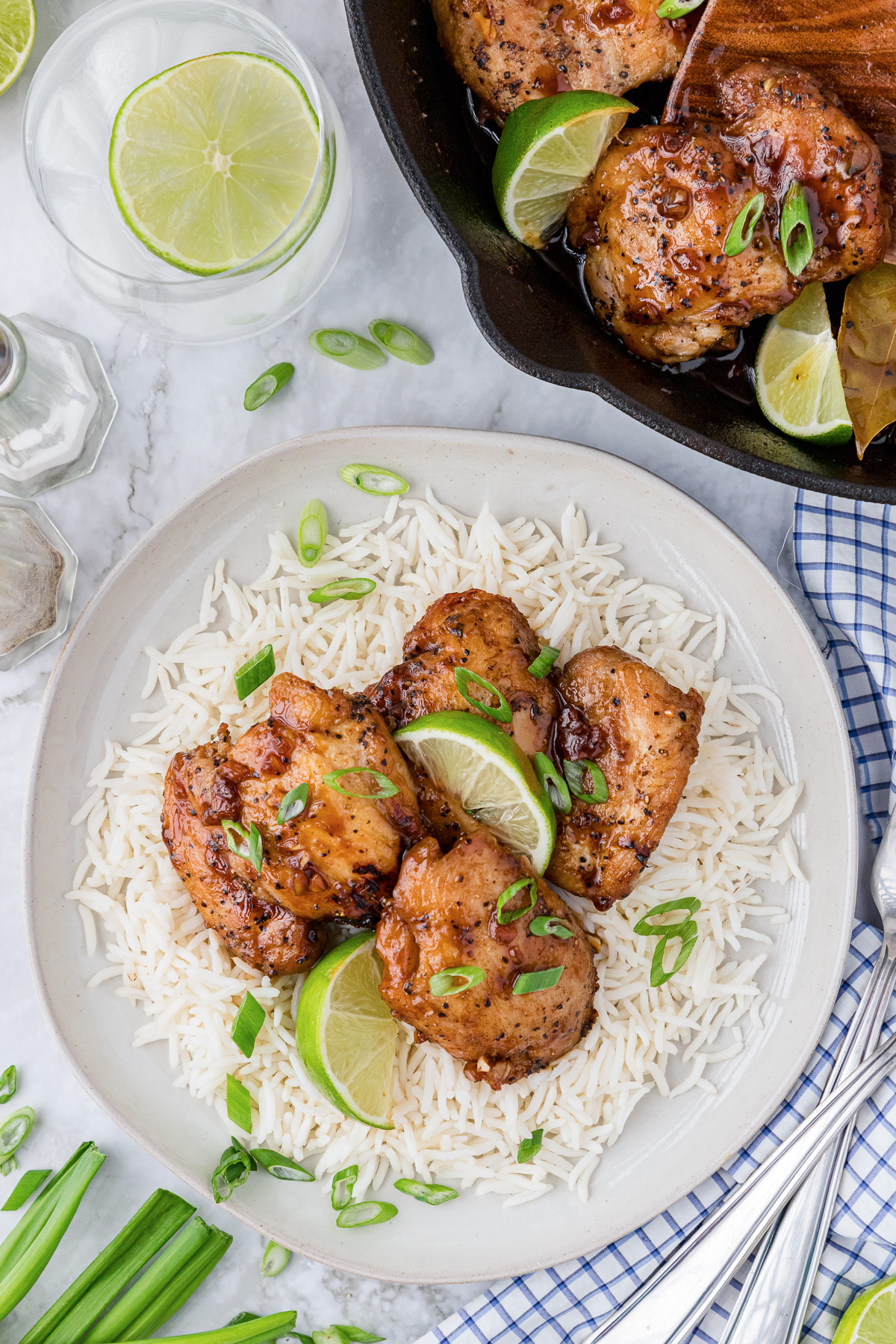
- Remove bay leaves before serving. Taste and adjust seasoning if needed. Garnish with sliced green onions and serve over steamed rice or with vegetables.
