

The Street Food Treat That Took Over the Internet — For Good Reason
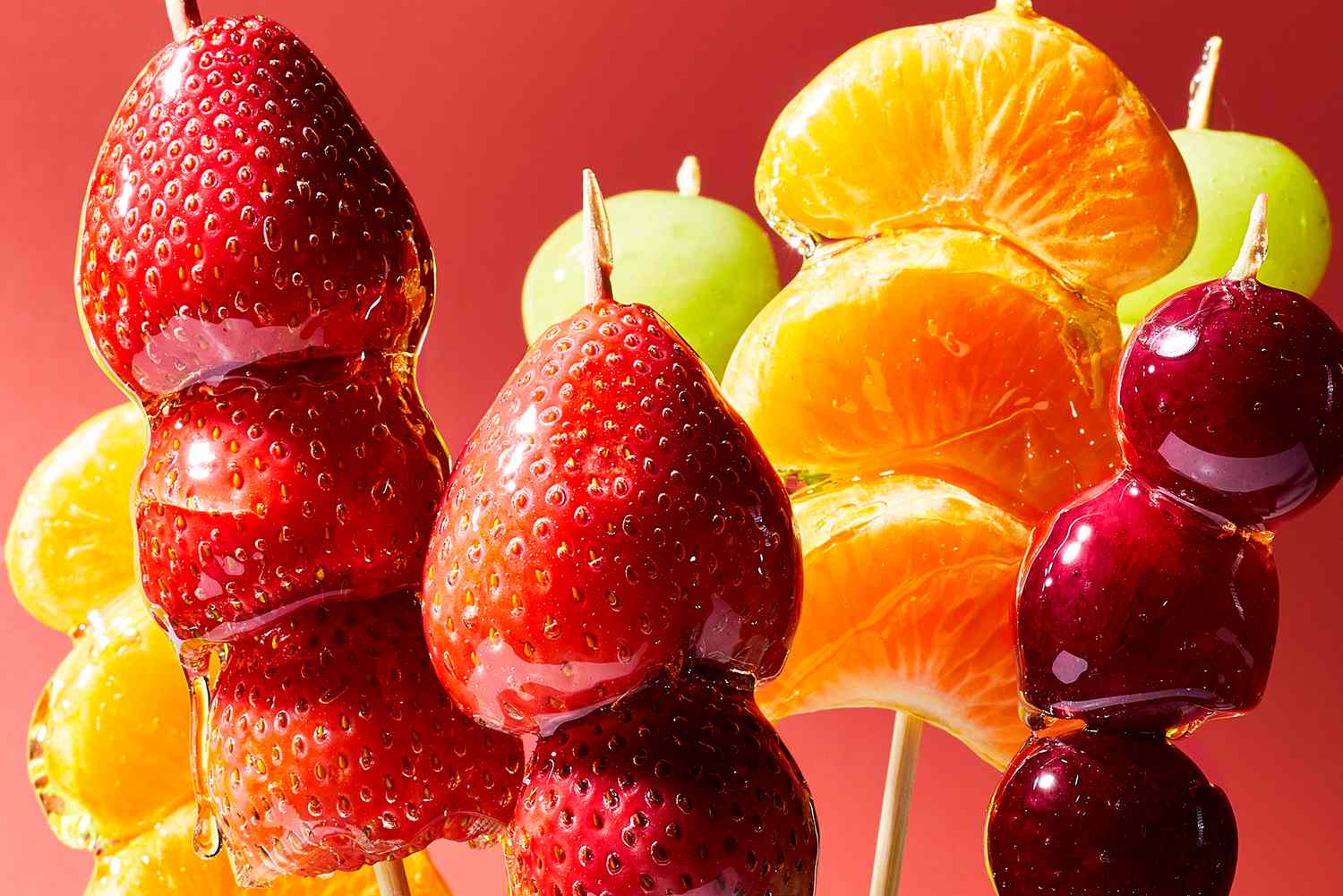
If you’ve ever scrolled through social media and stopped dead in your tracks at the sight of glistening, jewel-like fruit threaded onto bamboo skewers — encased in a crackling, glass-thin sugar shell that shatters at the lightest touch — you’ve already met Tanghulu. This iconic Chinese street food has captured hearts far beyond the hutongs and winter markets of Beijing where it originated, and once you taste it, you’ll understand exactly why. Tanghulu Candied Fruit is one of those rare treats that manages to be simultaneously playful and elegant, nostalgic and completely new-feeling all at once.
At its core, Tanghulu is simplicity itself: fresh fruit, skewered and dipped in a hot sugar syrup that hardens into a mirror-bright, amber coating in seconds. But don’t let that simplicity fool you. The technique is precise, the results are spectacular, and the experience of biting through that shattering candy shell into cold, juicy fruit is genuinely one of the most satisfying things you can eat. Here at Eating Happiness, we believe that food doesn’t need to be complicated to be meaningful — and Tanghulu is the perfect example of a clean, fruit-forward indulgence that earns every single calorie.
Whether you’re making these for a party, a weekend project with kids, or simply because you saw them on TikTok and simply had to try, this recipe walks you through every step with confidence. We’ll talk about which fruits work best, how to nail the sugar syrup every single time, and how to turn this centuries-old street food into your new favorite worth-it moment. Let’s get into it.
Why You’ll Love This Recipe
- Stunningly beautiful: The glassy sugar coating catches light like stained glass — these are as gorgeous to look at as they are to eat.
- Fruit-forward and wholesome: The star of the show is real, whole fruit. You’re getting genuine vitamins, antioxidants, and fiber in every bite.
- Minimal ingredients: Just sugar, water, and your favorite fruit. No artificial colors, no preservatives, no mystery ingredients.
- Crowd-pleasing and fun: Perfect for parties, food photography moments, or simply treating yourself to something special.
- Customizable: Use strawberries, grapes, mandarin segments, kiwi, pineapple — the possibilities are endless and the technique stays the same.
- A genuine cultural experience: Making Tanghulu connects you to a rich tradition of Chinese street food that dates back to the Song Dynasty.
Key Ingredients
The beauty of Tanghulu Candied Fruit lies in how few ingredients you actually need — which means every single one matters. White granulated sugar is the backbone of the recipe, and using plain white sugar (not raw or brown) is essential here. You need a sugar that melts cleanly and sets into a perfectly clear, glassy shell without any molasses notes interfering with the fruit’s natural flavor. The water you combine with the sugar is equally important — use filtered water if possible, because impurities can cause the syrup to crystallize prematurely and turn grainy rather than glass-smooth.
Now for the stars: strawberries are the most classic Tanghulu fruit for a reason. Their firm flesh holds up beautifully to the hot syrup dip, their bright red color beneath the amber coating is visually stunning, and their natural tartness cuts beautifully through the sweetness of the sugar shell. Grapes are another traditional choice — seedless red or green grapes work perfectly, and their round shape creates those iconic little jewel-like spheres on the skewer. For something a little more adventurous, mandarin orange segments add a citrusy brightness that makes each bite feel genuinely refreshing, though you’ll need to ensure they’re very dry before dipping. Perhaps the most important ingredient of all is patience — specifically, the patience to let your fruit dry completely before skewering and to monitor your sugar syrup temperature precisely. Serious Eats has an excellent breakdown of sugar syrup stages that will help you understand exactly what’s happening in your pot and why temperature control is everything in candy making.
Pro Tips & Variations
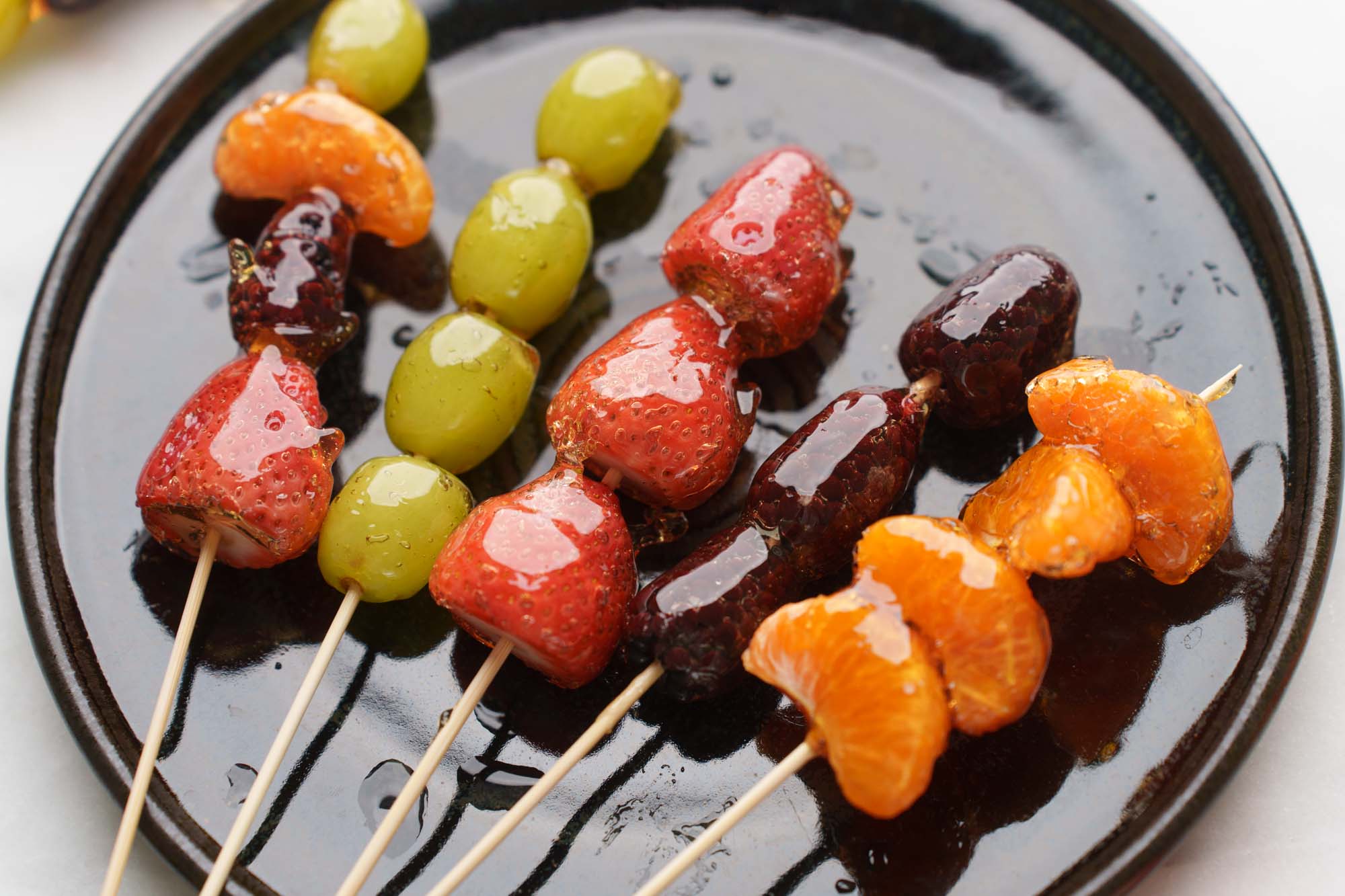
Dry your fruit completely. This is the single most important tip for Tanghulu success. Any moisture on the surface of your fruit will cause the sugar syrup to slide off rather than adhere, and can cause dangerous spattering when the wet fruit hits the hot syrup. After washing your fruit, spread it on paper towels and let it air dry for at least 30 minutes. Pat it dry with additional paper towels before skewering.
Use a candy thermometer. The sugar syrup needs to reach between 300°F and 310°F (the hard crack stage) to set into that signature glass-like shell. If you go below this temperature, the coating will be sticky and soft rather than crisp. Too far above, and you risk burning the sugar into a bitter, dark coating. A good instant-read or candy thermometer is non-negotiable here.
Work fast once the syrup is ready. The window for perfect dipping is short. Have your fruit skewered, your parchment-lined baking sheet ready, and everything within arm’s reach before your syrup hits temperature. Dip, rotate, let the excess drip for two to three seconds, then lay on parchment immediately.
Don’t refrigerate. Sugar is hygroscopic — it absorbs moisture from the air, and refrigerator air is particularly moisture-rich. Tanghulu should be eaten within two to four hours of making for maximum crunch. This is truly a make-and-eat treat, which is part of what makes it so special.
Variations to try: Beyond the classic strawberry and grape combination, consider threading cherry tomatoes (yes, really — the sweet-savory contrast is extraordinary), pineapple chunks, blueberries, or even peeled lychees. For a festive touch, you can add a tiny drop of red or orange gel food coloring to your syrup. Some versions incorporate a light dusting of edible gold luster dust over the finished skewers for a party-worthy presentation. If you enjoy exploring global street food traditions from a health-conscious angle, you might also love our Spiralized Cucumber Noodle Salad — another Asian-inspired dish that proves clean, fresh ingredients need no embellishment to shine.
The cold plate test: If you don’t have a candy thermometer, drop a small amount of syrup onto a cold ceramic plate. If it sets immediately into a hard, brittle sheet that snaps cleanly, your syrup is ready. If it bends or stays soft, keep cooking.
Syrup color guide: Your syrup should be a pale golden amber when ready — similar to light honey. If it starts going deep amber or brown, pull it off the heat immediately. You can swirl the pan gently (never stir, which causes crystallization) to distribute heat evenly as the syrup cooks.
Nutritional Highlights
Let’s be honest about what Tanghulu Candied Fruit is: it’s a sugar-coated treat, and a joyful one at that. But here’s what makes it a smarter indulgence than most candy options. The foundation is whole, real fruit — strawberries packed with vitamin C and powerful antioxidants called anthocyanins, grapes rich in resveratrol and polyphenols, mandarins bursting with flavonoids that support immune health. The nutritional benefits of whole fruit are well-documented, and those benefits don’t disappear when you add a thin sugar shell around the outside. The sugar coating itself is thin — far thinner than the coating on most commercial candies — and because the portions are naturally controlled by the skewer format, it’s easier to enjoy mindfully. Each skewer delivers a genuinely satisfying combination of textural contrast and sweet-tart flavor that feels far more indulgent than it actually is. Compared to reaching for a bag of processed candy, Tanghulu is absolutely the worth-it choice: real fruit, minimal processing, and a treat that feels festive and intentional rather than mindless. If you’re exploring more globally-inspired, produce-forward eating, our Hawaiian Poke Bowl is another beautiful example of how whole, fresh ingredients can create something truly spectacular.
FAQ
Why is my sugar coating cloudy or grainy instead of glassy?
Cloudy or grainy sugar coating is almost always caused by crystallization, which happens when sugar molecules form crystals during cooking. The most common culprits are stirring the syrup while it cooks (which should never be done — swirl the pan instead), using a dirty pot with sugar granules on the sides, or cooking at too low a temperature. To prevent crystallization, use a clean pot, brush down the sides of the pot with a wet pastry brush a couple of times during cooking to dissolve any rogue sugar crystals, and never stir. Some recipes add a small amount of corn syrup or a few drops of lemon juice to the sugar and water mixture — both act as interfering agents that help keep the sugar molecules from bonding into crystals.
Can I use any fruit for Tanghulu?
Almost any firm, low-moisture fruit works beautifully. The key characteristics you’re looking for are: firm flesh that won’t collapse when briefly exposed to very hot syrup, low surface moisture (very juicy fruits like watermelon are difficult), and a size that’s skewer-friendly. Classic choices include strawberries, grapes, mandarin segments, pineapple chunks, and blueberries. Cherry tomatoes and small kumquats are delightful savory-sweet options. Avoid very soft fruits like ripe bananas or peaches, as they’ll break down under the hot syrup. Cut fruit should have any exposed flesh patted completely dry before dipping.
How far in advance can I make Tanghulu?
Tanghulu Candied Fruit is best made and eaten within two to four hours. Because sugar is hygroscopic — meaning it naturally draws moisture from the surrounding air — the crispy candy shell will gradually soften and become sticky as time passes. This process happens faster in humid environments. For a party, make your Tanghulu skewers one to two hours before guests arrive and store them at room temperature (never the refrigerator) standing upright in a tall glass or jar. Avoid covering them with plastic wrap, which traps humidity. If you live in a particularly humid climate, keep the time window even shorter and make them as close to serving as possible.
Make It, Share It, Save It
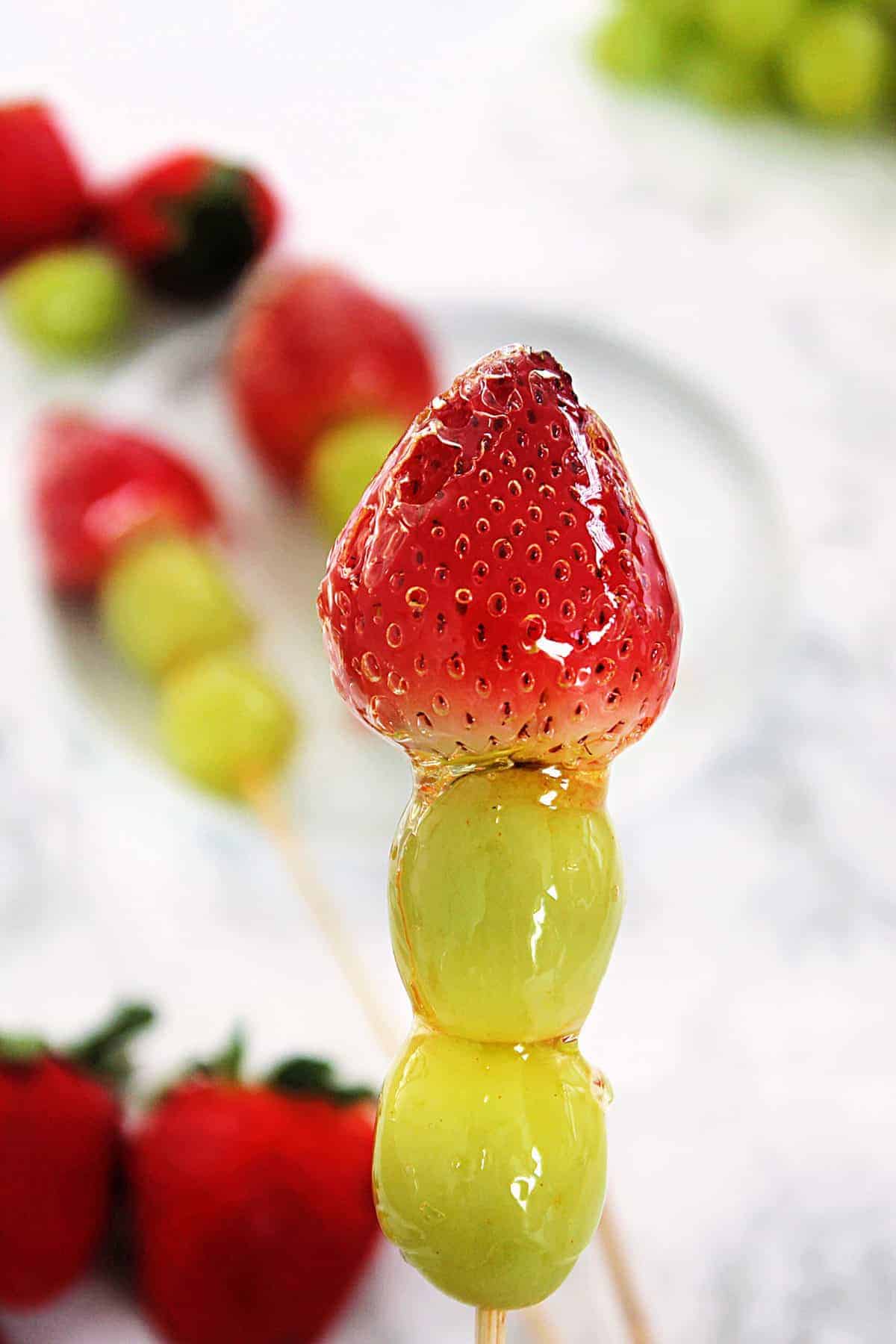
Tanghulu Candied Fruit is one of those recipes that deserves to be shared — both in person and online. These skewers are genuinely among the most photogenic things you can make in your own kitchen, and the reaction from friends, family, or anyone lucky enough to receive one is always the same: wide eyes, a moment of disbelief that you made this at home, and then that completely satisfying crack of the sugar shell on the first bite. It’s a small joy, but a real one, and small joys matter.
If you make this recipe, we would absolutely love to see your Tanghulu creations. Tag us, share your photos, pin this post for later — and if you’re inspired to keep exploring global food traditions through a health-conscious lens, take a peek at some of our other favorites. From the warming depths of a Hungarian Goulash to the vibrant freshness of a Traditional Greek Salad, there’s always something worth cooking — and worth savoring — here at Eating Happiness. Now go make something beautiful.
Find the complete recipe card below ↓

Tanghulu Candied Fruit
Ingredients
- 16 large strawberries hulled, completely dry
- 24 seedless grapes red or green, completely dry
- 8 bamboo skewers 10-inch, soaked in water 10 minutes
- 2 cups white granulated sugar do not substitute brown or raw sugar
- 1 cup water filtered preferred
- 1/4 tsp cream of tartar optional, helps prevent crystallization

Instructions
- Wash all fruit thoroughly and spread on paper towels. Allow to air dry for at least 30 minutes, then pat completely dry with fresh paper towels. Any surface moisture will prevent the sugar coating from adhering properly.
- Thread 2 strawberries or 3–4 grapes onto each bamboo skewer, leaving about 3 inches at the bottom as a handle. Place skewers on a parchment-lined baking sheet and set aside.
- Combine sugar, water, and cream of tartar (if using) in a medium, heavy-bottomed saucepan. Stir gently just once to combine, then stop stirring entirely.
- Clip a candy thermometer to the side of the pot. Bring the mixture to a boil over medium-high heat. As the syrup cooks, brush down the sides of the pot once or twice with a wet pastry brush to dissolve any rogue sugar crystals, but do not stir the syrup.
- Cook the syrup until it reaches 300–310°F (hard crack stage), approximately 10–15 minutes. The syrup should be a very pale golden amber color. Watch carefully in the final minutes — temperature rises quickly.
- Remove the pot from heat immediately when the syrup reaches 300–310°F. Tilt the pot to create a deeper pool of syrup for easier dipping.
- Working quickly, dip each fruit skewer into the hot syrup, rotating to coat all fruit evenly. Hold the skewer over the pot for 2–3 seconds to allow excess syrup to drip off.
- Immediately lay the dipped skewer flat on the prepared parchment-lined baking sheet. The sugar will set and harden within 30–60 seconds.
- Repeat with remaining skewers. If the syrup becomes too thick or begins to set in the pot, briefly return it to low heat for 1–2 minutes to loosen.
- Serve Tanghulu within 2–4 hours for maximum crispness. Do not refrigerate.