

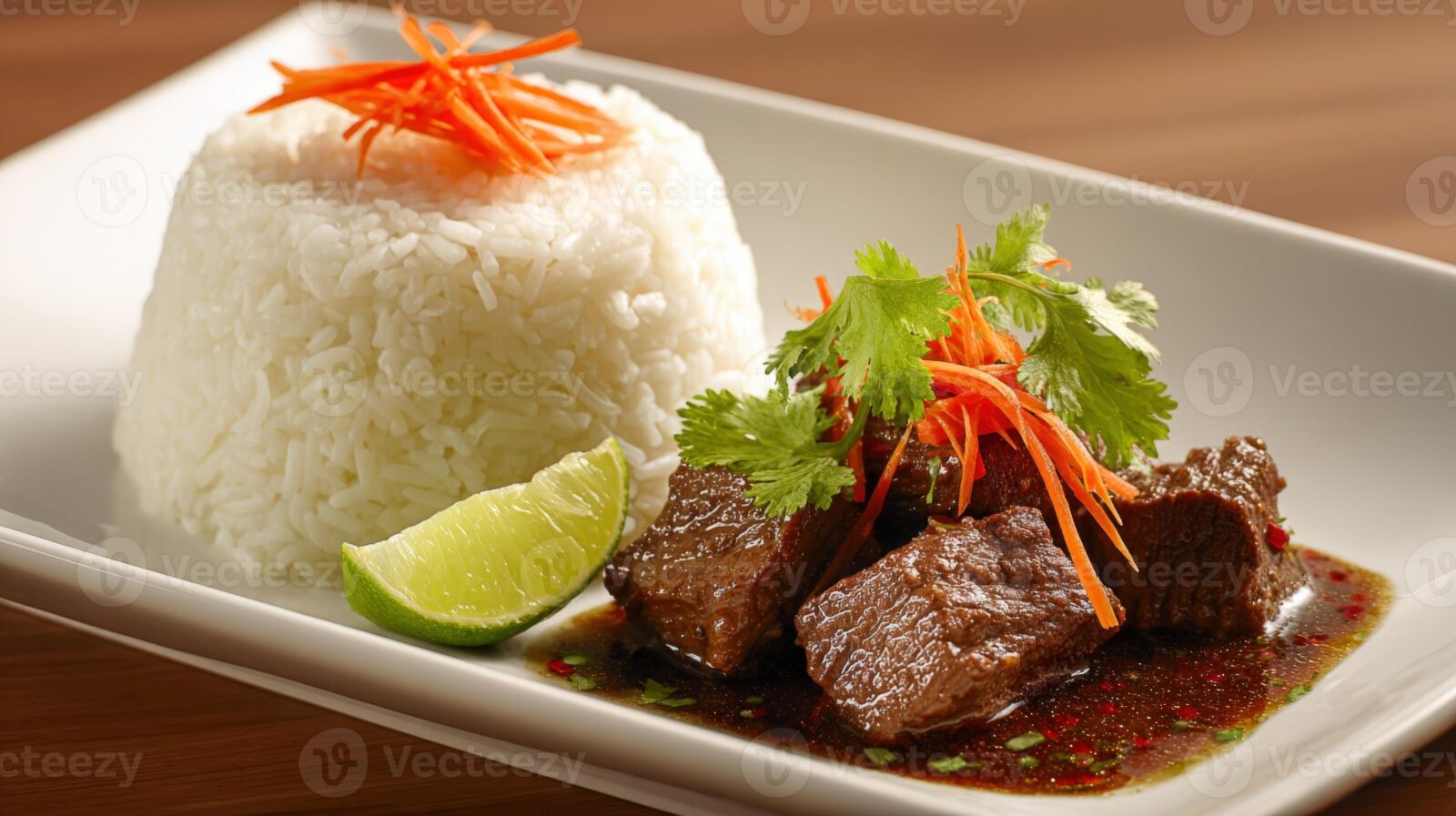
When a Single Dish Tells the Story of an Entire Cuisine
There is something almost magical about Indonesian cooking. It is a cuisine built on layers — layers of spice, layers of aroma, layers of meaning passed down through generations across more than 17,000 islands. Indonesian Beef is one of those dishes that captures all of that complexity in a single pot. The moment you start building your spice paste and the kitchen fills with the scent of lemongrass, galangal, and toasted coriander, you understand why this food has earned devoted fans across the world. It is deeply savory, gently warming, and anchored by a richness that feels both indulgent and, when you look at the ingredients, surprisingly wholesome.
At Eating Happiness, we believe that bold, satisfying food and mindful eating are not opposites — they are partners. This Indonesian Beef recipe is a perfect example of that philosophy in action. Every ingredient earns its place. The spices do double duty as flavor builders and anti-inflammatory powerhouses. The beef becomes fall-apart tender through slow, gentle cooking that preserves its natural richness without the need for heavy sauces or unnecessary additives. What you get on the plate is something restaurant-worthy, but made entirely with clean, real ingredients you can feel good about feeding your family.
Whether you are already a lover of Southeast Asian food or this is your first step into Indonesian cuisine, this recipe meets you where you are. It is approachable enough for a weeknight, impressive enough for a dinner party, and flavorful enough to convert even the most skeptical eaters at your table. Grab your pan and let’s get into it.
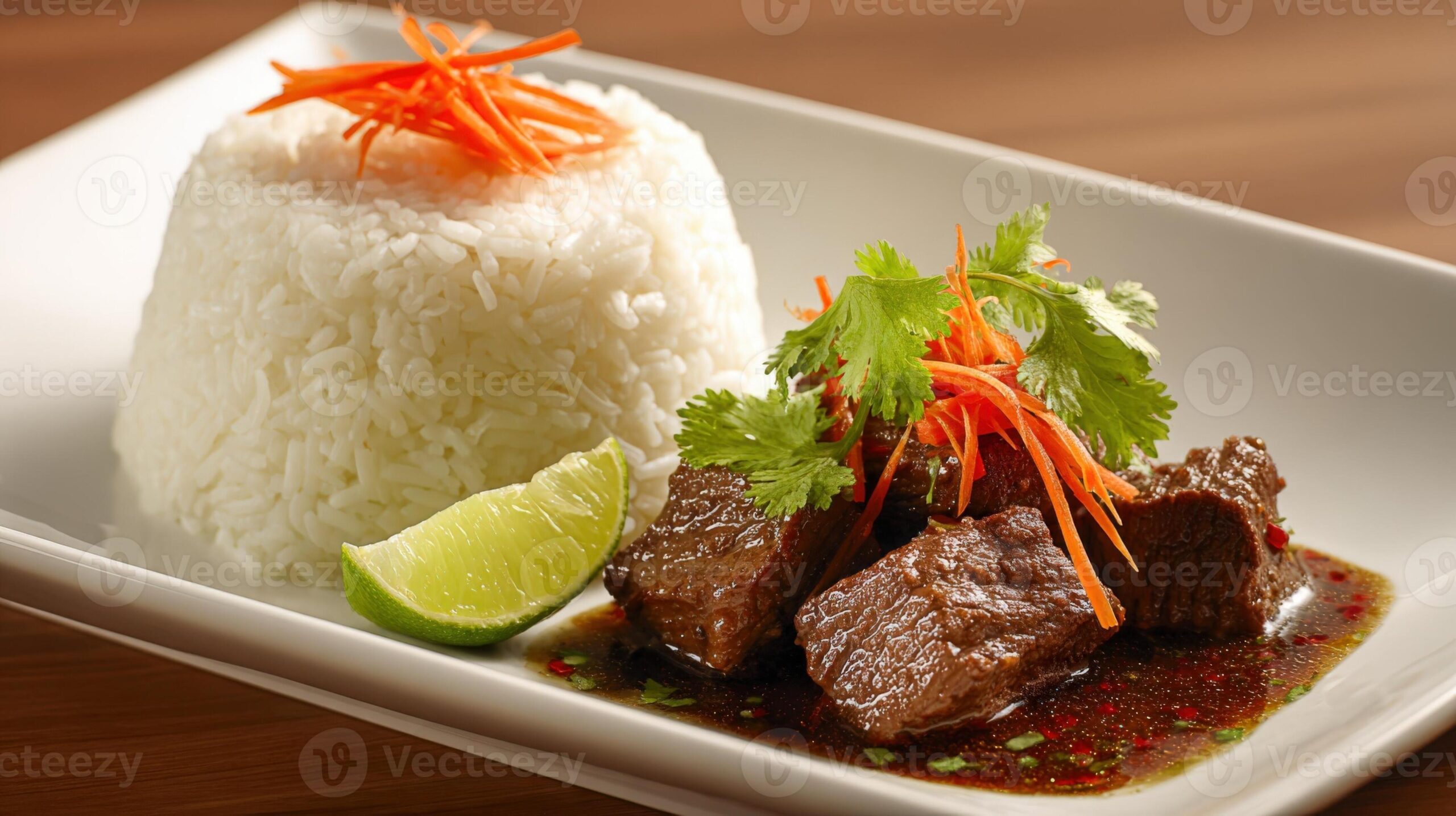
Why You’ll Love This Recipe
- Real, clean ingredients: No mystery sauces or processed shortcuts. Every component is whole and recognizable.
- Anti-inflammatory spice profile: Turmeric, ginger, galangal, and coriander aren’t just flavor — they’re functional foods your body will thank you for.
- One-pot simplicity: Everything comes together in a single heavy-bottomed pot or Dutch oven, which means minimal cleanup and maximum flavor development.
- Deeply satisfying without heaviness: This dish is rich and filling but balanced — protein-forward, with spices that aid digestion rather than slow you down.
- Incredibly versatile: Serve it over steamed jasmine rice, cauliflower rice for a lower-carb option, or alongside warm flatbread for a fusion-friendly presentation.
- Worth-it weeknight project: The prep is straightforward, and the payoff — that deeply fragrant, meltingly tender beef — is absolutely worth it.
Key Ingredients
The soul of this Indonesian Beef recipe lives in its spice paste, and the two ingredients that anchor that paste are lemongrass and galangal. Lemongrass brings a citrusy, floral brightness that cuts through the richness of the beef and lifts every bite. Galangal, which is related to ginger but sharper and more piney in flavor, gives the dish its distinctly Indonesian character — it is irreplaceable, though fresh ginger can serve as an approachable substitute if needed. Together, they create an aromatic foundation unlike anything you will find in other regional cuisines.
Turmeric deserves a special mention here beyond its vivid golden color. It is one of the most studied anti-inflammatory compounds in the natural world, and in this dish it works seamlessly alongside the fat from the beef to maximize bioavailability — meaning your body actually absorbs more of its beneficial curcumin compounds. Meanwhile, toasted coriander seeds add a warm, nutty depth to the spice paste that dried coriander simply cannot replicate. Taking two minutes to toast them in a dry pan before grinding makes an enormous difference in the final dish.
The beef itself — ideally a well-marbled chuck or short rib cut — is what brings everything home. The collagen in these cuts breaks down during slow cooking, creating a silky, almost luxurious sauce consistency without a drop of cream or artificial thickener. Finally, coconut milk steps in to mellow the heat, add a subtle sweetness, and create that glossy, deeply savory sauce that makes this dish so compulsively good. Look for full-fat, additive-free coconut milk for the cleanest result and the richest texture.
Pro Tips & Variations
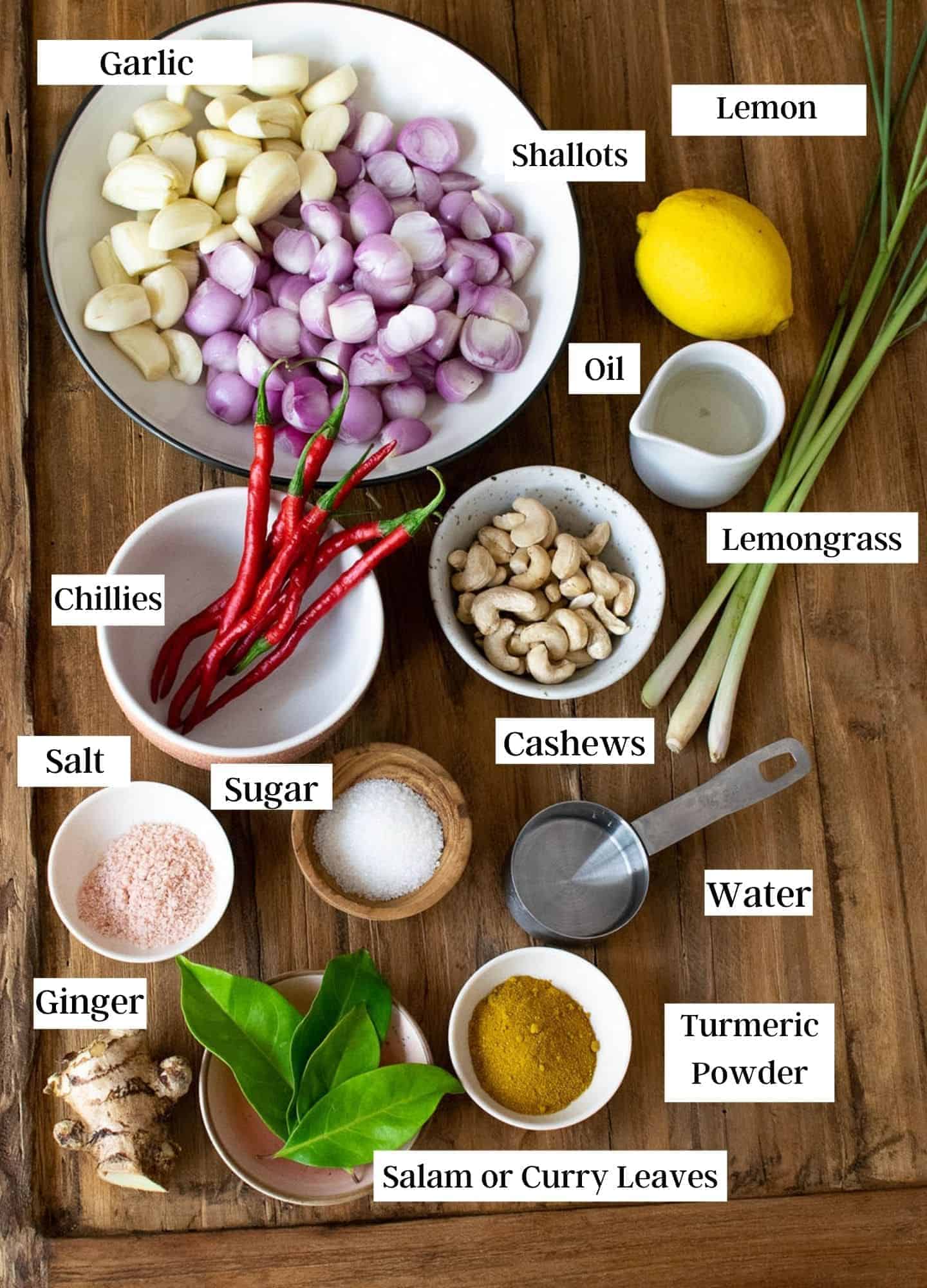
- Toast your whole spices first: Before blending your paste, toast coriander seeds and any whole cloves or peppercorns in a dry skillet for 60-90 seconds. This releases their essential oils and dramatically deepens the flavor of your paste.
- Blend your paste smooth: A high-powered blender or small food processor gives you the smoothest paste, which means it fries more evenly in the oil and coats the beef more uniformly. A mortar and pestle works beautifully too if you want the traditional texture and a meditative cooking experience.
- Fry the paste until fragrant: Do not rush the step where you cook the spice paste in oil. This process — called menumis in Indonesian cooking — can take 8-10 minutes of stirring over medium heat. You will know it is ready when the oil starts to separate from the paste and the raw smell has transformed into something deeply toasty and aromatic. Serious Eats has an excellent breakdown of why frying spice pastes properly is the non-negotiable foundation of great Southeast Asian cooking.
- Low and slow is the secret: Once the beef is added and the liquid is in, resist the urge to crank the heat. A gentle, steady simmer over low heat — covered for the first hour, uncovered for the last 20-30 minutes — is what allows the collagen to melt and the sauce to concentrate beautifully.
- Make it lighter: Swap full-fat coconut milk for light coconut milk to reduce calories without sacrificing too much of the creamy texture. You can also use a leaner cut of beef like sirloin, though you will lose some of the silkiness that comes from slow-cooked collagen-rich cuts.
- Add vegetables: Stir in baby spinach, long beans, or sliced bamboo shoots in the last 10 minutes of cooking for added fiber and color. This is a great way to stretch the dish further and sneak in extra nutrients.
- Make it ahead: Like most braises, this Indonesian Beef is genuinely better the next day. The flavors deepen overnight in the refrigerator, making this an excellent meal-prep recipe. If you love the idea of set-it-and-forget-it dinners, you might also enjoy our Crockpot Chicken Tortilla Soup, which follows a similar dump-and-develop approach to layered flavor.
- Serving ideas: Steamed jasmine rice is the classic partner, but this dish is equally stunning over cauliflower rice for a grain-free option. For a fun fusion angle, it works beautifully as a taco filling — inspired by the same spirit as our Grilled Fish Tacos with Corn Salsa, where bold flavor meets playful presentation.
Nutritional Highlights
This Indonesian Beef recipe is a genuinely nourishing meal dressed up as pure indulgence. A single serving delivers around 38 grams of protein, making it an excellent option for anyone focused on muscle maintenance, satiety, or simply staying full through a busy afternoon. The spice profile is where things get especially exciting from a wellness standpoint. Turmeric and ginger are both well-documented for their anti-inflammatory and digestive properties, and they appear here in meaningful quantities — not just trace amounts. Lemongrass has been studied for its antimicrobial and antioxidant properties, and garlic contributes allicin, a compound linked to cardiovascular and immune health. The fat content comes primarily from the coconut milk and the natural marbling in the beef, both of which provide satiating, slow-burning energy rather than the kind of empty calories that leave you reaching for snacks an hour later. If you are managing carbohydrate intake, this dish is naturally low in carbs and pairs perfectly with non-starchy sides. It is the kind of recipe that genuinely earns the phrase eating for wellness without giving up joy. For more inspiration on building protein-rich, satisfying dinners, Bon Appétit’s weeknight dinner archives are a wonderful rabbit hole worth exploring.
Frequently Asked Questions
Can I make Indonesian Beef in a slow cooker or Instant Pot?
Absolutely, and both methods work beautifully. For the slow cooker, fry your spice paste in a skillet first — do not skip this step even if it adds a dish, because it is essential for flavor development. Then transfer everything to your slow cooker and cook on LOW for 7-8 hours or HIGH for 4-5 hours. For the Instant Pot, use the sauté function to fry your paste and sear the beef, then pressure cook on HIGH for 35 minutes with a natural release. The result in both cases is incredibly tender beef, though the sauce may need a few minutes of open simmering at the end to reach the right consistency.
What cut of beef works best for this recipe?
Bone-in short ribs or boneless chuck roast are the gold standard for this recipe because their high collagen content creates that signature silky sauce as they braise. That said, brisket is also a fantastic option if that is what you have on hand. If you prefer a leaner profile, sirloin or flank steak can work but will need significantly less cooking time — think 30-40 minutes of simmering rather than 90 minutes to two hours. If you enjoy exploring beefy, satisfying recipes with different cuts, our Foil Packet Steak and Potato Hash is another great option for a weeknight protein-packed dinner.
How spicy is this dish, and can I adjust the heat level?
Traditional Indonesian Beef can range from mildly warming to genuinely fiery depending on the region and household. This recipe sits at a medium heat level — present and noticeable but not overwhelming. To dial it back, simply reduce the number of fresh red chilies in the paste and remove the seeds before blending, as most of the heat lives in the membranes and seeds. To increase the heat, add fresh bird’s eye chilies or a pinch of cayenne to the paste. The coconut milk in the recipe naturally tempers spice, so even if you are heat-sensitive, the finished dish is gentler than the raw paste might suggest.
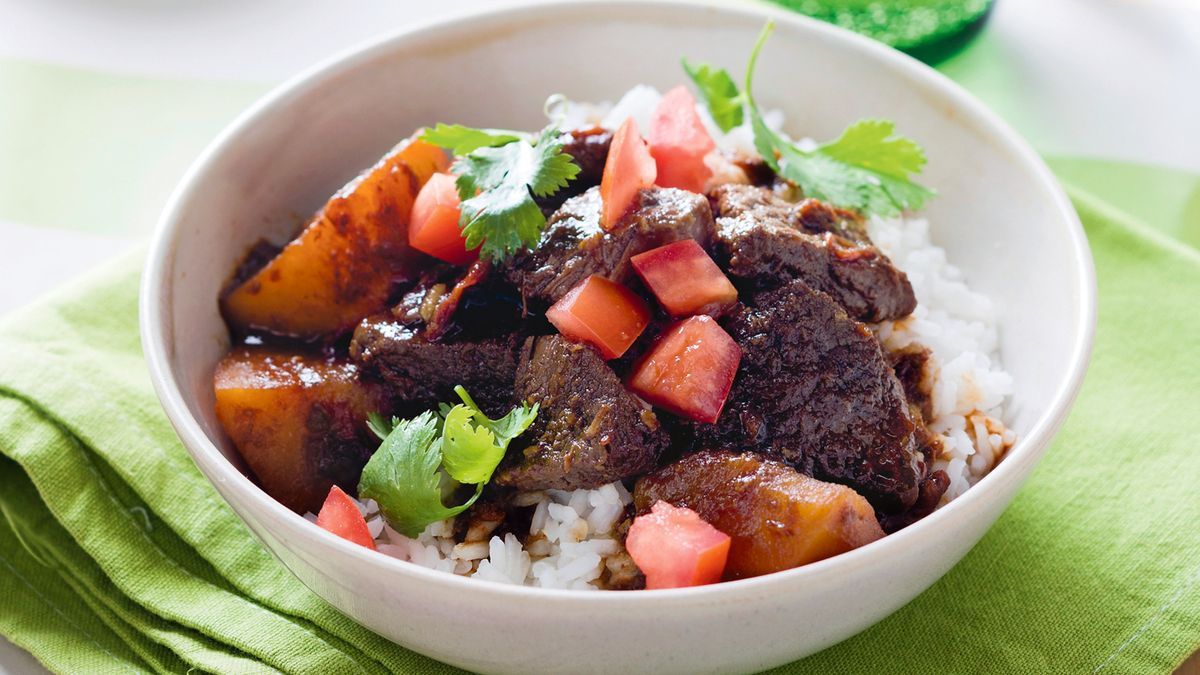
Share the Happiness
Indonesian Beef is one of those recipes that reminds you why cooking from scratch, with real ingredients and genuine care, is one of the most worthwhile things you can do for yourself and the people you feed. It is bold without being aggressive, rich without being heavy, and complex without being fussy. Once you make it, it will earn a permanent spot in your regular rotation — we are confident of that. If you make this recipe, we would absolutely love to see it. Share your version on Instagram and tag us @EatingHappiness, or leave a comment below to tell us how it turned out. Saved recipes get made more often, so pin this one to your weeknight dinner board and come back to it again and again. Happy cooking.
Find the complete recipe card below ↓
Indonesian Beef
A richly spiced, fall-apart tender Indonesian Beef braise made with a fragrant homemade spice paste, coconut milk, and clean whole ingredients. Bold Southeast Asian flavor that is as nourishing as it is deeply satisfying.
Ingredients
- 4 shallots (roughly chopped)
- 5 cloves garlic (peeled)
- 2 stalks lemongrass (white part only, sliced thin)
- 1 inch fresh galangal (peeled and sliced, or substitute fresh ginger)
- 1 inch fresh ginger (peeled)
- 1 teaspoon ground turmeric (or 1-inch fresh turmeric root)
- 1 tablespoon coriander seeds (toasted)
- 1 teaspoon cumin seeds (toasted)
- 3 fresh red chilies (seeds removed for less heat)
- 2 tablespoons neutral oil (for blending)
- 2 lbs beef chuck roast or short ribs (cut into 2-inch cubes)
- 1 teaspoon kosher salt (plus more to taste)
- 1/2 teaspoon black pepper (freshly ground)
- 2 tablespoons coconut oil or neutral oil (for searing)
- 1 can full-fat coconut milk (13.5 oz, no additives)
- 1 cup beef broth (low sodium)
- 2 tablespoons soy sauce or tamari (tamari for gluten-free)
- 1 tablespoon palm sugar or brown sugar
- 2 kaffir lime leaves (optional but highly recommended)
- 1 cinnamon stick
- 3 whole cloves
- 2 cups steamed jasmine rice (or cauliflower rice for low-carb)
- 1/4 cup crispy fried shallots (store-bought or homemade)
- 2 tablespoons fresh cilantro (roughly chopped)
- 1 lime (cut into wedges)
Instructions
- In a dry skillet over medium heat, toast the coriander seeds and cumin seeds for 60-90 seconds, stirring constantly, until fragrant and slightly darkened. Remove from heat and let cool for 2 minutes.
- Add the toasted spices, shallots, garlic, lemongrass, galangal, ginger, turmeric, red chilies, and oil to a blender or food processor. Blend on high until a smooth, uniform paste forms, scraping down the sides as needed. Set aside.
- Pat the beef cubes completely dry with paper towels — this is essential for a good sear. Season generously on all sides with kosher salt and black pepper.
- Heat coconut oil in a large Dutch oven or heavy-bottomed pot over medium-high heat until shimmering. Working in batches to avoid crowding, sear the beef on all sides until a deep brown crust forms, about 3-4 minutes per side. Transfer seared beef to a plate and set aside.
- Reduce heat to medium. Add the spice paste to the same pot and fry, stirring frequently, for 8-10 minutes. You are looking for the paste to darken slightly, become very fragrant, and for the oil to begin separating around the edges — this step builds the backbone of the dish’s flavor so do not rush it.
- Add the cinnamon stick, whole cloves, and kaffir lime leaves to the pot and stir to combine with the paste, cooking for an additional 1 minute.
- Return the seared beef and any accumulated juices to the pot. Stir to coat every piece in the spice paste.
- Pour in the coconut milk, beef broth, soy sauce, and palm sugar. Stir to combine. Bring to a gentle boil, then immediately reduce heat to low.
- Cover the pot and simmer on low heat for 60 minutes, stirring once or twice during cooking.
- After 60 minutes, remove the lid and continue to simmer uncovered for 25-30 minutes, stirring occasionally, until the sauce has thickened and deepened in color and the beef is fall-apart tender.
- Taste the braise and adjust seasoning with salt if needed. Remove the cinnamon stick, whole cloves, and kaffir lime leaves before serving.
- Serve over steamed jasmine rice or cauliflower rice. Top with crispy fried shallots, fresh cilantro, and a squeeze of fresh lime juice.
