

When a Bowl of Spinach Curry Changes the Way You Think About Eating Well
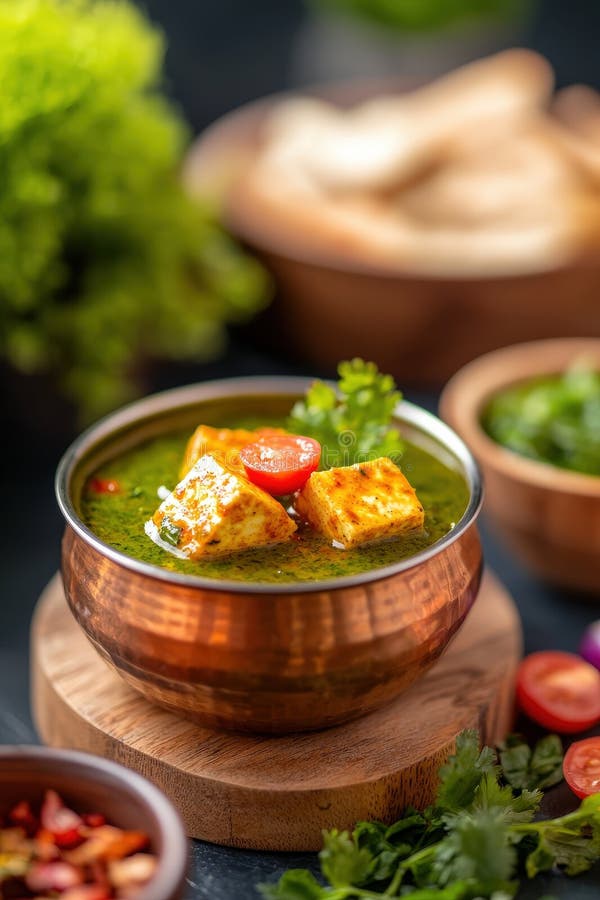
There are certain dishes that manage to be deeply comforting and genuinely nourishing at the same time — and Palak Paneer is one of the finest examples of that balance in existence. This iconic North Indian curry, built on a vibrant base of pureed spinach and studded with pillowy cubes of fresh paneer cheese, is the kind of meal that makes you feel good on every level. It tastes indulgent. It smells intoxicating. And yet, every spoonful is quietly doing something wonderful for your body. That is not an easy thing to pull off, and Indian cuisine has been doing it for centuries.
I first encountered Palak Paneer at a small, family-run restaurant tucked into a strip mall — the kind of place that looks unremarkable from the outside but serves food that stops you mid-conversation. The emerald green curry arrived in a copper bowl, glossy and aromatic, with soft squares of paneer that had absorbed the spiced spinach down to their very centers. It was warming without being heavy, complex without being fussy. I ordered it three times that month before I decided I had to figure out how to make it at home. Years of testing later, this is the recipe I always come back to.
What makes this homemade Palak Paneer special is the attention to the two things that matter most: building a deeply flavored spice base and preserving the bright, mineral richness of the spinach. Skip the shortcuts that dull the color and flatten the taste. Follow the steps here, and you will have a restaurant-quality curry on your table in under an hour — one that is genuinely good for you and genuinely delicious, which is always the goal here at Eating Happiness.
Why You’ll Love This Recipe
- Packed with nutrients: Spinach is one of the most nutrient-dense vegetables on the planet, and this recipe uses it as the star, not an afterthought.
- Protein-rich and satisfying: Paneer is a complete protein source that keeps you full and fueled without weighing you down.
- Ready in 45 minutes: Faster than takeout and far more rewarding to make yourself.
- Naturally gluten-free: No hidden flours or thickeners — just whole, clean ingredients doing all the work.
- Meal-prep friendly: The flavor deepens overnight, making leftovers arguably better than the first serving.
- Approachable for home cooks: Despite the layered complexity of flavors, the technique is straightforward and forgiving.
Key Ingredients and Why They Matter
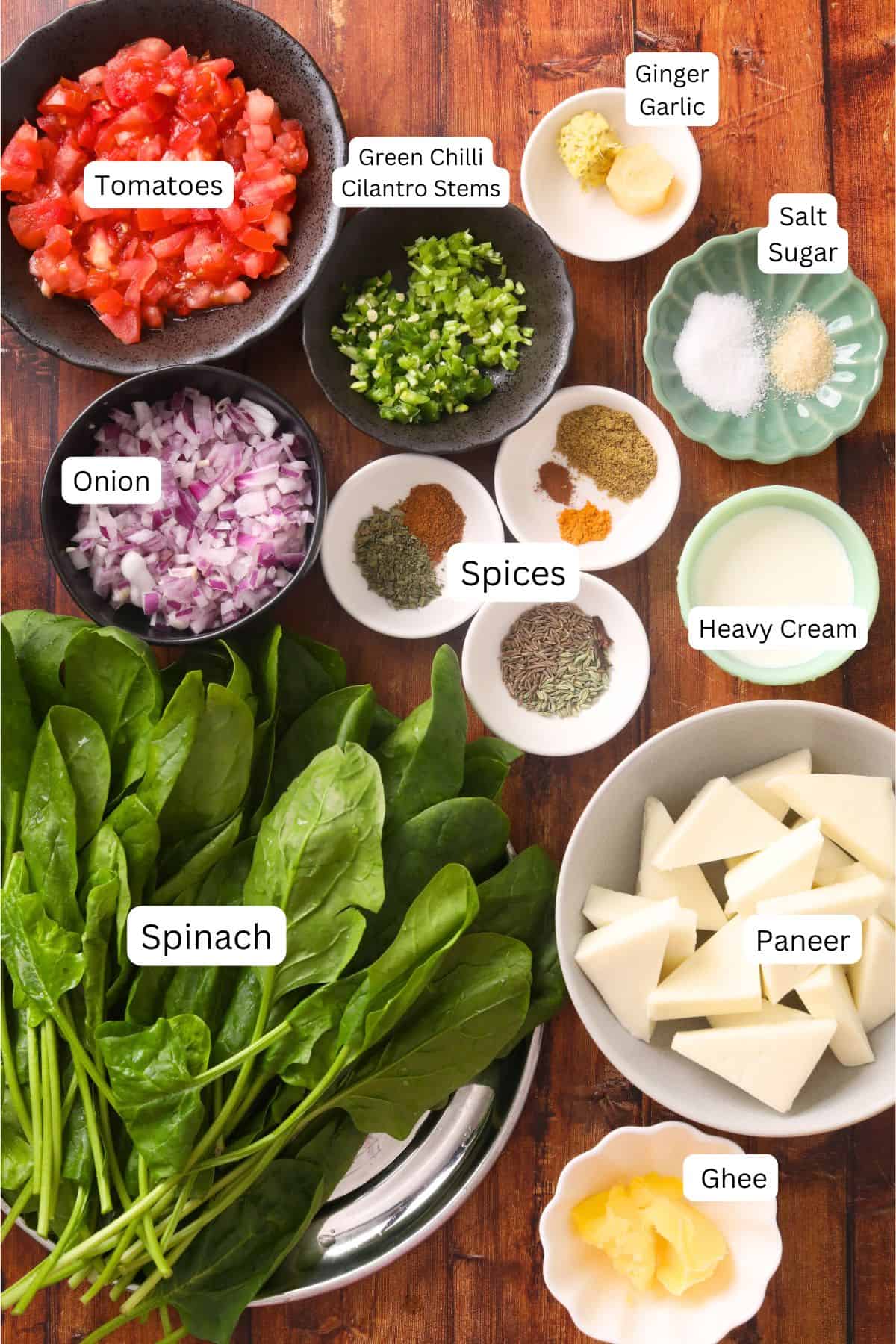
Fresh baby spinach is the soul of this dish, and using a generous amount is non-negotiable. Spinach wilts dramatically when cooked, so what looks like an overwhelming quantity in the pan becomes a perfectly proportioned, silky puree. Beyond volume, spinach brings iron, folate, vitamins A, C, and K, and a subtle earthiness that forms the backbone of the entire curry. Blanching it briefly and then shocking it in cold water before blending locks in that gorgeous deep green color that makes Palak Paneer so visually stunning.
Paneer is a fresh, unaged Indian cheese that behaves unlike any Western cheese you might reach for as a substitute. It does not melt, which means those cubes hold their shape in the hot curry and develop a lightly golden crust when pan-fried first — a step that adds texture and a nutty depth of flavor you simply cannot skip. If you have never made paneer from scratch, it is surprisingly simple, but good-quality store-bought paneer works beautifully here. As Serious Eats explains in their deep dive on paneer, the pressing time and milk fat content are the key variables that determine how well it holds up to cooking.
The aromatics — ginger, garlic, and onion — form the flavor foundation that everything else is built on. These three ingredients are cooked low and slow until they are completely soft and sweet, which eliminates any harsh raw edge and creates a naturally caramelized base. Fresh ginger in particular adds a bright, peppery warmth that dried ginger simply cannot replicate. A trio of whole spices — cumin seeds, cardamom pods, and a cinnamon stick — are bloomed in hot ghee at the very start, releasing their essential oils into the fat and perfuming the entire dish before a single other ingredient enters the pan.
Ghee, the clarified butter used widely in Indian cooking, is the cooking fat of choice here and it matters more than you might think. Its high smoke point makes it ideal for toasting spices without burning, and its rich, nutty flavor adds a warmth and authenticity that neutral oils just cannot match. A small finishing swirl of heavy cream or coconut cream at the end smooths everything together, adding just enough richness to make the curry feel luxurious without overwhelming the clean, green flavor of the spinach.
Pro Tips & Variations for Perfect Palak Paneer
Blanch and shock your spinach. This is the single most impactful technique tip for Palak Paneer. Drop your spinach into boiling salted water for just 60 to 90 seconds, then immediately transfer it to a bowl of ice water. This two-step process — which Bon Appétit covers thoroughly in their guide to blanching vegetables — halts cooking instantly, preserves maximum nutrients, and locks in that vivid emerald color that distinguishes a truly great Palak Paneer from a drab, khaki-colored one.
Pan-fry your paneer first. Do not add raw paneer directly to the spinach sauce. Cut it into cubes, pat it dry, and sear it in a hot pan with a little ghee until golden on at least two sides. This creates a lightly crisp exterior that keeps the paneer from becoming soggy as it soaks up the curry. If you want even softer paneer, soak the fried cubes in warm water for five minutes before adding them to the sauce.
Blend with intention. For the smoothest, creamiest sauce, use an immersion blender or a high-powered countertop blender. If you prefer a more rustic texture — which is completely traditional and delicious — pulse just a few times rather than blending completely smooth. Leave some texture in the spinach for a heartier, chunkier result.
Do not overcook the spices. When you bloom your whole spices in ghee, stay at the pan. Cumin seeds go from fragrant to burnt in about 30 seconds. The moment they start to sizzle and pop and smell toasty, it is time to add your onions. This step is fast, but it is the flavor foundation the entire dish is built on.
Make it vegan. Swap paneer for firm tofu (pressed and pan-fried the same way), use coconut oil instead of ghee, and finish with full-fat coconut cream instead of heavy cream. The result is a gorgeous, plant-based Palak Tofu that is equally satisfying.
Add heat your way. The recipe calls for one green chili, which gives a gentle background warmth. For a spicier curry, use two chilies or add a quarter teaspoon of cayenne with the powdered spices. For a completely mild version that is wonderful for kids, omit the chili entirely and reduce the garam masala slightly.
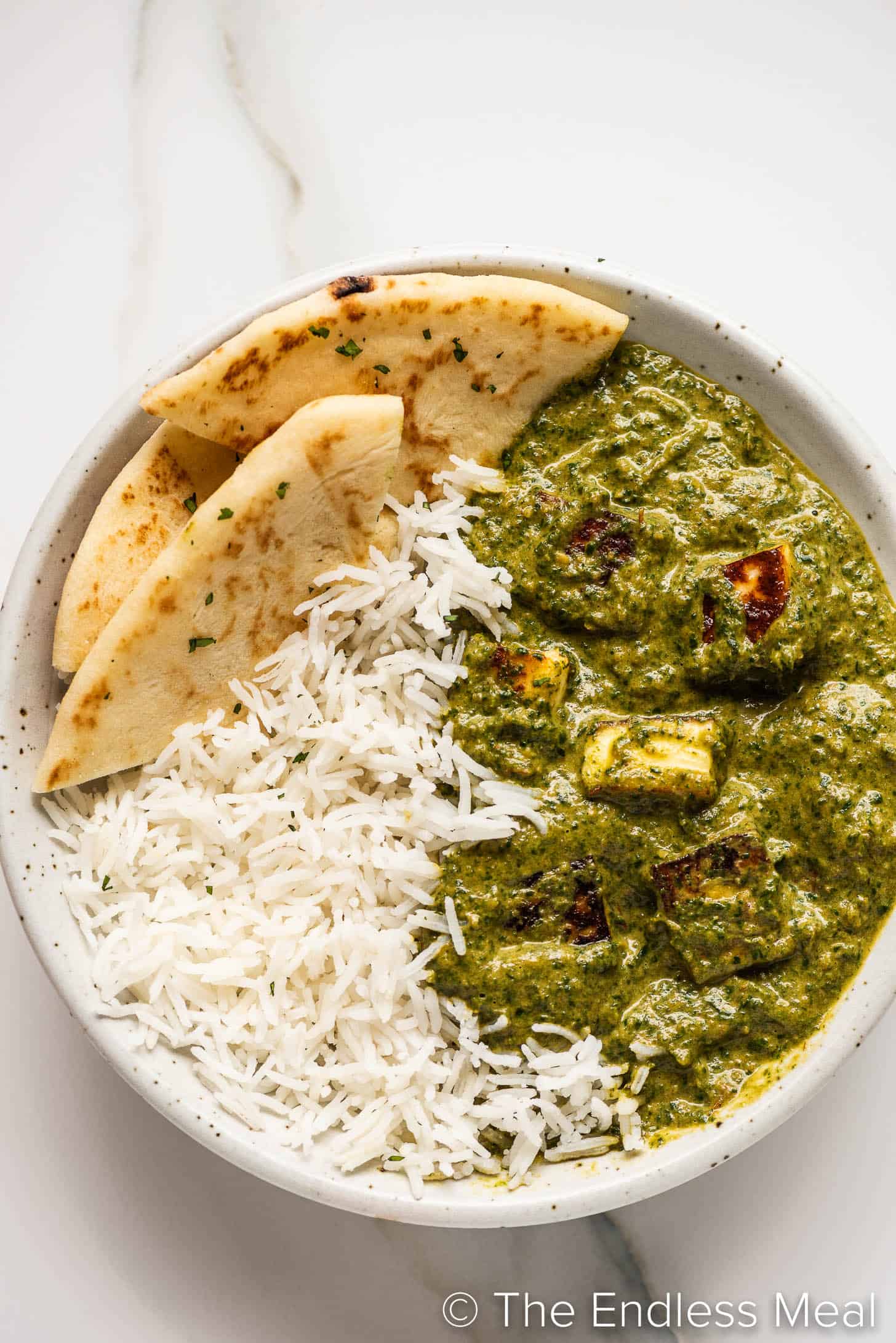
Serving suggestions: Palak Paneer is traditionally served alongside warm basmati rice or garlic naan. For a lighter, lower-carb approach, serve it over cauliflower rice or alongside a fresh salad. If you are planning a larger spread with multiple vegetable-forward dishes, something bright and acidic on the side balances the richness beautifully — much like a light, vinegary cucumber tomato salad cuts through heavier flavors.
Make it a full vegetarian feast. If you love building a table full of vegetable-forward dishes, Palak Paneer is a natural anchor. Pair it with a grain-based side like our crispy rice salad for contrasting textures and a complete, balanced spread that feels intentional and celebratory.
Nutritional Highlights
Palak Paneer is one of those rare dishes that earns a permanent place in a health-conscious kitchen not because it is virtuous in a joyless way, but because it is genuinely, abundantly good for you while tasting completely indulgent. Spinach delivers a remarkable concentration of iron, calcium, magnesium, and vitamins A, C, and K in every serving. The antioxidants in spinach — particularly lutein and zeaxanthin — support eye health and reduce inflammation, making this curry a true functional food in the best possible sense. Paneer contributes a substantial dose of complete protein and calcium, supporting muscle function and bone density. The spices are not just for flavor either: turmeric contains curcumin, a well-studied anti-inflammatory compound; cumin supports digestion; and ginger has long been recognized for its immune-supportive and anti-nausea properties. The small amount of ghee used provides fat-soluble vitamins A, D, E, and K, and the healthy fats in the dish support the absorption of all those fat-soluble nutrients from the spinach. A single serving delivers roughly 380 to 420 calories with around 22 grams of protein — a deeply satisfying macronutrient profile that keeps hunger at bay for hours. This is the kind of meal that does not require you to compromise between eating well and eating happily.
Frequently Asked Questions
Can I make Palak Paneer ahead of time?
Absolutely, and in fact, Palak Paneer is one of those dishes that genuinely improves with time. The spinach sauce can be made up to two days ahead and stored in an airtight container in the refrigerator. Pan-fry and add the paneer when you are ready to serve, gently reheating the sauce first. If you add the paneer to the sauce and refrigerate it together, the paneer will absorb more of the curry flavor overnight — which many people (myself included) prefer. Just be aware that reheated paneer can become slightly firmer, so warm the curry very gently over low heat with a splash of water or cream to loosen it up.
Can I use frozen spinach instead of fresh?
Yes, frozen spinach works in a pinch and is actually a very practical option. Use about 16 ounces of frozen spinach in place of 1.5 pounds of fresh. Thaw it completely and squeeze out as much liquid as possible before blending — frozen spinach holds a significant amount of water that will dilute your sauce if not removed. The flavor will be slightly less bright and the color a touch less vivid than with fresh spinach, but the dish will still be delicious and you skip the blanching step entirely, which saves time.
What is the difference between Palak Paneer and Saag Paneer?
This is one of the most common questions around this dish, and the distinction is subtle but real. Palak Paneer is specifically made with palak, which is the Hindi word for spinach. Saag Paneer uses saag, which refers to a broader category of leafy greens — often a mix that might include mustard greens, fenugreek leaves, or other seasonal greens in addition to or instead of spinach. Saag curries tend to have a slightly more bitter, complex, and robust flavor due to the mix of greens, while Palak Paneer is smoother, milder, and sweeter in comparison. Both are delicious; they simply reflect different regional and seasonal traditions within Indian cooking.
Make It, Save It, Share It
Palak Paneer is the kind of recipe that earns a permanent spot in your weeknight rotation — the kind you come back to again and again because it never feels repetitive, always feels nourishing, and consistently delivers more flavor than you expect from a dish that takes less than an hour. Whether you are cooking for a crowd, prepping lunches for the week, or simply trying to eat more vegetables without feeling like you are making a sacrifice, this recipe delivers on every front. If you make it, I would absolutely love to hear how it turned out. Leave a comment below, tag us on Instagram at @EatingHappiness, or save this post to your Pinterest boards so it is always there when the craving hits — and it will.
Find the complete recipe card below ↓
Palak Paneer
A vibrant, restaurant-quality Indian spinach curry with golden pan-fried paneer, aromatic whole spices, and a silky emerald sauce — ready in 45 minutes and packed with nutrients.
Ingredients
- 1.5 lbs fresh baby spinach (about 10–12 cups loosely packed)
- 1 medium yellow onion (roughly chopped)
- 5 cloves garlic (minced)
- 1 inch fresh ginger (peeled and grated)
- 1 green chili (serrano or jalapeño) (seeded for less heat, roughly chopped)
- 2 medium tomatoes (roughly chopped)
- 2 tbsp ghee (divided; substitute butter or neutral oil)
- 1 tsp cumin seeds
- 1 cinnamon stick (about 2 inches)
- 3 green cardamom pods (lightly crushed)
- 1 tsp ground coriander
- 0.5 tsp turmeric powder
- 0.5 tsp garam masala (plus more to finish)
- 0.5 tsp Kashmiri red chili powder (or mild paprika for less heat)
- 1 tsp salt (plus more to taste)
- 3 tbsp heavy cream or full-fat coconut cream (for finishing)
- 14 oz paneer (cut into 1-inch cubes; store-bought or homemade)
- 1 tbsp ghee or neutral oil (for pan-frying)
- 0.25 tsp salt
Instructions
- Bring a large pot of salted water to a boil. Prepare a large bowl of ice water and set it nearby. Add the spinach to the boiling water and blanch for 60 to 90 seconds until just wilted and bright green.
- Using a slotted spoon or tongs, immediately transfer the spinach to the ice water bath. Let it cool for 2 minutes, then drain well and squeeze out as much water as possible. Set aside.
- Pat the paneer cubes dry with paper towels and season with a pinch of salt. Heat 1 tablespoon of ghee in a large skillet or Dutch oven over medium-high heat.
- Add the paneer cubes in a single layer without crowding (work in batches if needed). Sear for 2 to 3 minutes per side until golden brown. Transfer to a plate and set aside. Optionally, soak the seared paneer in a bowl of warm water for 5 minutes to keep it extra soft.
- In the same skillet, add the remaining 1 tablespoon of ghee over medium heat. Add the cumin seeds, cinnamon stick, and cardamom pods. Let them bloom for 30 to 45 seconds, stirring frequently, until the cumin sizzles and smells toasty.
- Add the chopped onion and cook, stirring occasionally, for 8 to 10 minutes until softened and lightly golden.
- Add the garlic, ginger, and green chili. Cook for 2 minutes, stirring constantly, until fragrant.
- Add the chopped tomatoes along with the ground coriander, turmeric, Kashmiri red chili powder, and half the salt. Cook for 5 to 6 minutes, stirring and breaking down the tomatoes, until they are completely softened and the mixture begins to come together into a thick paste.
- Remove the cinnamon stick and cardamom pods if you prefer (or leave them — they will continue flavoring the sauce). Add the blanched spinach to the pan. Stir to combine everything thoroughly.
- Using an immersion blender directly in the pan, blend the spinach mixture to your desired consistency — completely smooth for a silky sauce, or partially blended for a more rustic texture. Alternatively, carefully transfer to a countertop blender in batches and blend, then return to the pan.
- Place the pan back over medium-low heat. Stir in the garam masala and remaining salt. Taste and adjust seasoning. Let the sauce simmer gently for 3 to 4 minutes.
- Add the pan-fried paneer cubes to the spinach sauce. Stir gently to coat and simmer together for 3 to 4 minutes so the paneer absorbs the flavors of the curry.
- Stir in the heavy cream or coconut cream. Taste one final time and adjust salt or garam masala as needed.
- Serve hot over basmati rice or with warm naan. Garnish with a drizzle of cream, a pinch of garam masala, and fresh ginger matchsticks if desired.
