

When Bold Korean Flavors Meet Clean, Light Eating
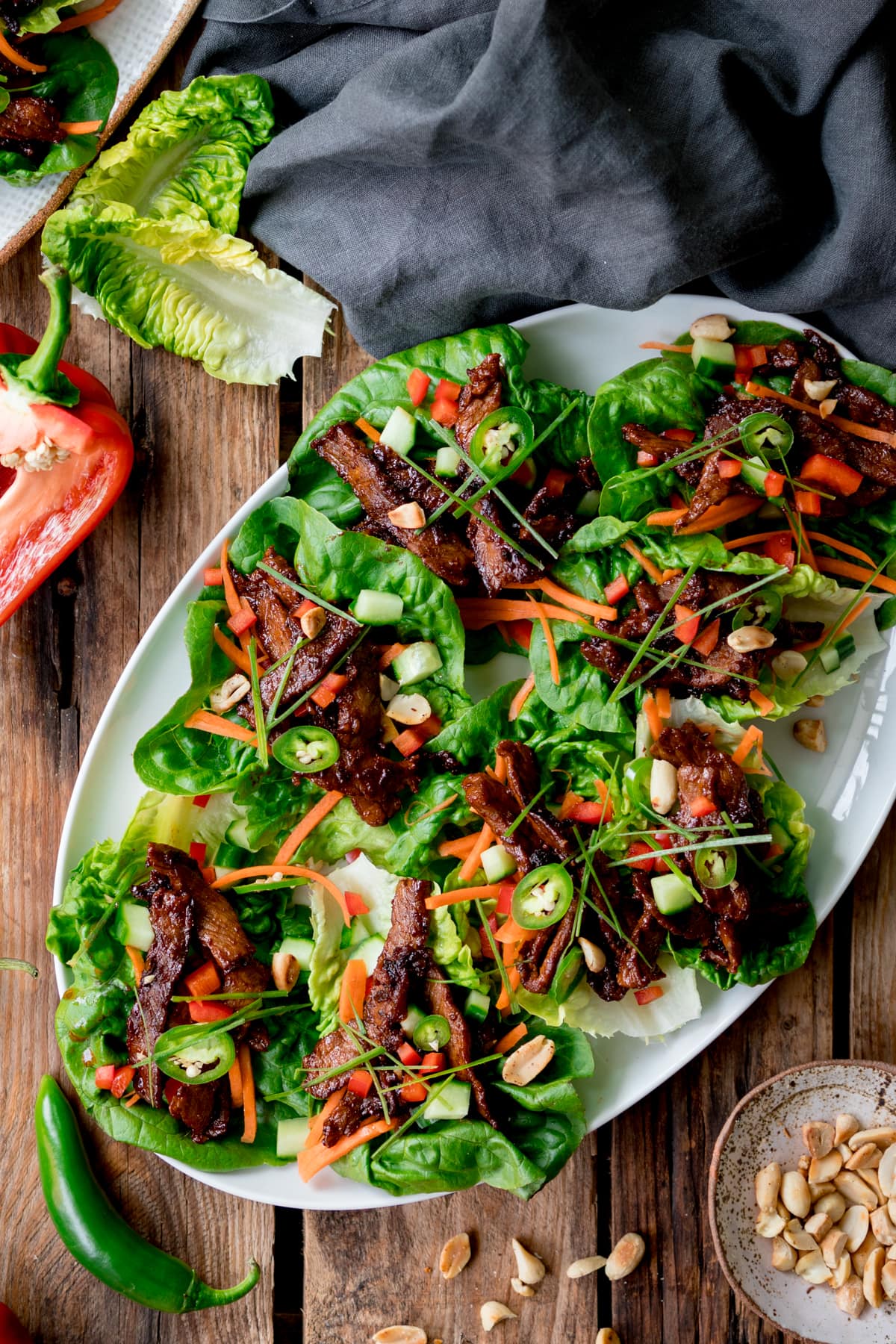
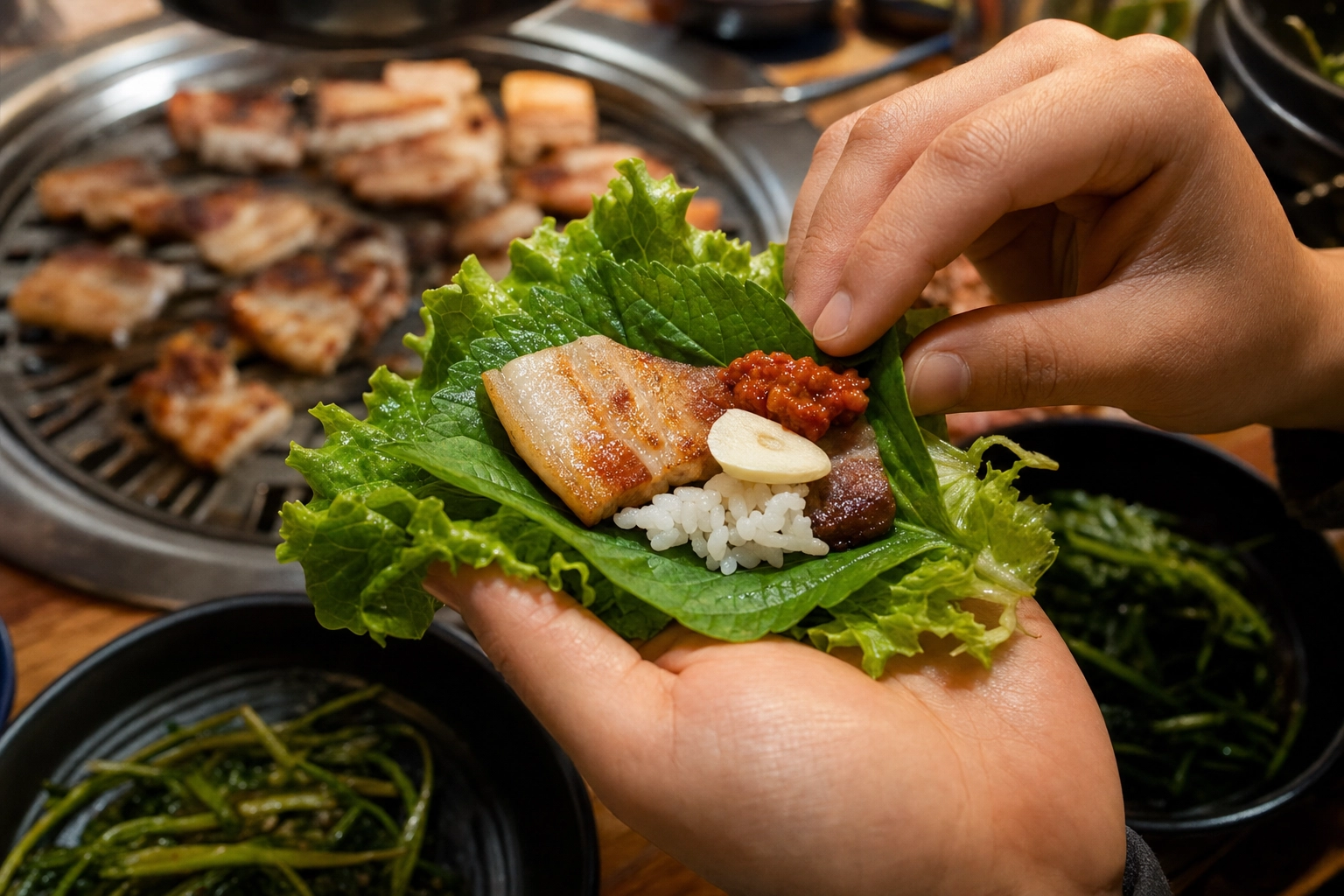
There’s a moment at the Korean BBQ table that everyone who’s been there knows intimately — the moment you pick up a crisp lettuce leaf, pile it high with sizzling, caramelized meat, tuck in a few pickled vegetables, and fold the whole thing into a little bundle before popping it in your mouth in one glorious bite. It’s one of the most purely satisfying eating experiences on the planet. But what if you could recreate that feeling at home, on a regular Tuesday night, and have it actually support your health goals instead of derail them? That’s exactly what these Korean BBQ Lettuce Wrap Bowls are designed to do.
The truth is, traditional Korean BBQ is actually one of the more naturally health-conscious cuisines in the world. The marinades are built on fermented soy sauce, fresh garlic, ginger, and sesame — all ingredients with serious nutritional credibility. The vegetables play an equally starring role alongside the protein. And the lettuce wrap format isn’t a compromise — it’s the authentic way to eat it. We’re not swapping out bread for lettuce because we’re “being good.” We’re doing it because that’s genuinely how it’s meant to be eaten, and it happens to be one of the most delicious ways to build a bowl you’ll ever try.
These healthy Korean BBQ lettuce wraps skip the rice and noodles entirely without you ever missing them. Instead, the focus is on deeply marinated grilled beef — tender, slightly charred at the edges, full of umami — nestled into cool, crisp butter lettuce leaves and topped with a rainbow of crunchy Asian-inspired vegetables. It’s a meal that feels indulgent and fresh at the same time, the kind of dinner that leaves you genuinely satisfied rather than heavy or sluggish. Whether you’re eating low-carb, trying to pack more vegetables into your week, or just craving something with serious flavor, this recipe is going to become a regular in your rotation.
Why You’ll Love This Recipe
- Genuinely low-carb without feeling like a sacrifice — butter lettuce cups are the real deal, not a consolation prize.
- Big, restaurant-quality Korean BBQ flavor from a marinade you can throw together in five minutes.
- High-protein and nutrient-dense — grilled beef plus a full lineup of colorful vegetables in every bowl.
- Meal-prep friendly — marinate the beef the night before and the whole dinner comes together in under 20 minutes.
- Endlessly customizable — swap proteins, adjust the heat level, or add whatever vegetables you have on hand.
- The whole family will eat it — the interactive bowl-building format makes it genuinely fun for everyone at the table.
Key Ingredients That Make This Dish
The heart of this recipe is the thinly sliced beef — traditionally, bulgogi-style Korean BBQ uses ribeye or sirloin, and for good reason. The natural marbling in these cuts means the meat stays juicy and tender even over high heat, and when sliced thin, it cooks in just a few minutes while picking up beautiful caramelized edges. You don’t need a specialty butcher; most grocery stores sell pre-sliced bulgogi beef, or you can ask the meat counter to slice a sirloin for you. The marinade is where the flavor magic happens: a base of soy sauce (use low-sodium to keep sodium in check without losing any of the depth), sesame oil, fresh garlic, and grated ginger work together to create that unmistakable Korean BBQ profile. A touch of Asian pear or apple acts as a natural tenderizer while adding a subtle sweetness that balances the salt and umami beautifully — this is a classic Korean technique that Serious Eats breaks down brilliantly in their deep dive on bulgogi.
For the bowl, butter lettuce is non-negotiable — its soft, pliable leaves form natural cups that hold the fillings without cracking or wilting under the warm meat. The vegetable mix is where you get to add real nutritional horsepower: shredded carrots bring beta-carotene and natural sweetness, thinly sliced cucumbers add hydration and cool crunch, and a quick-pickled daikon or red cabbage slaw introduces that acidic brightness that cuts through the richness of the beef perfectly. A finishing drizzle of gochujang-spiked dipping sauce ties everything together with a gentle, warming heat that you can dial up or down depending on your preference.
Pro Tips & Variations
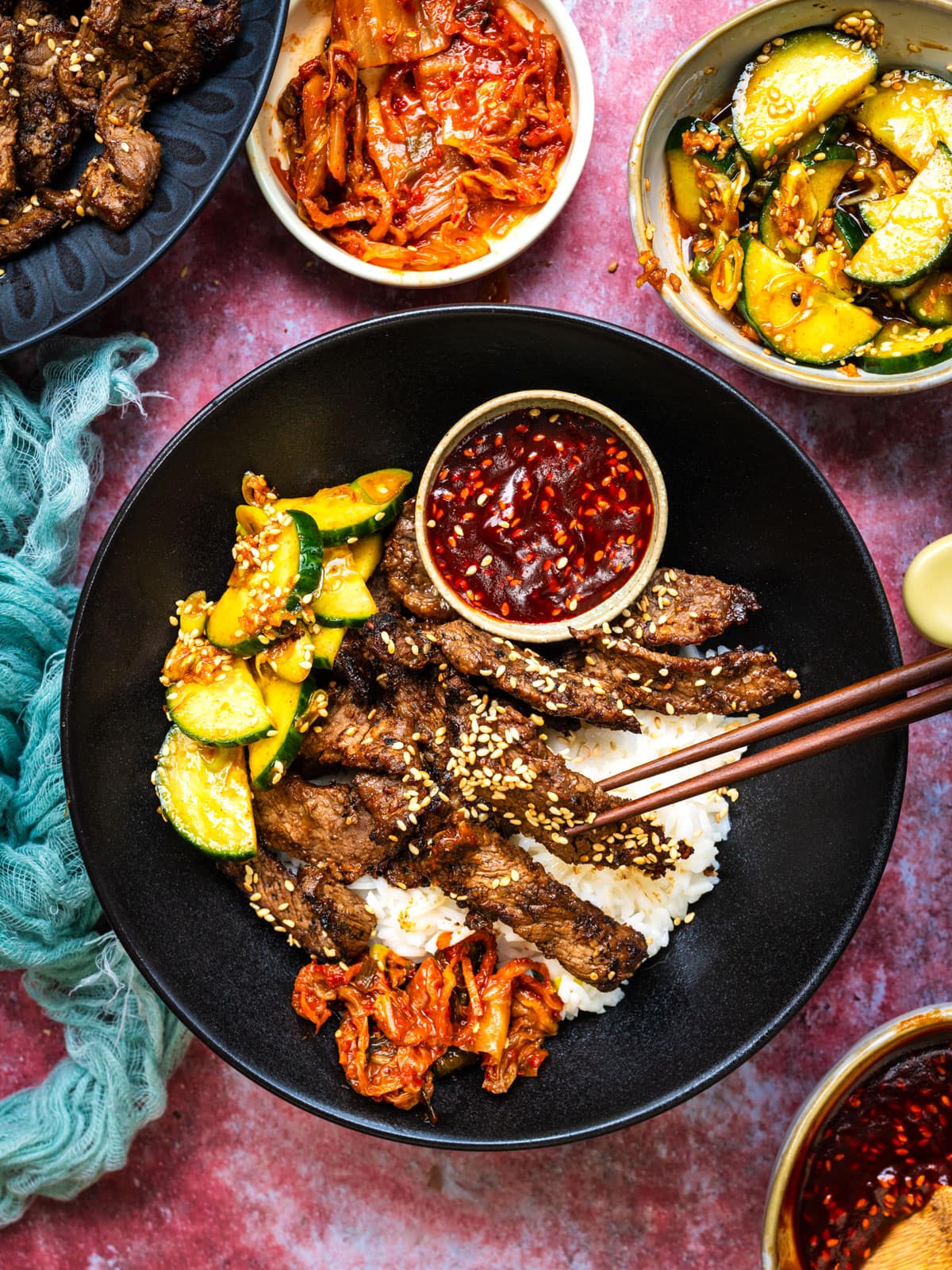
Marinate as long as you can. The minimum is 30 minutes, but overnight in the refrigerator is where the real flavor transformation happens. The soy-ginger marinade penetrates deeply into the thin slices of beef, and the fruit enzymes have time to truly tenderize the meat. If you’re organized enough to marinate the night before, dinner the next day is almost effortless.
Get your pan or grill screaming hot. Korean BBQ flavor is defined by high heat and quick cooking. Whether you’re using a cast iron skillet, a grill pan, or an outdoor grill, make sure it’s fully preheated before the beef goes on. You want a sear, not a steam. Cook in batches if needed — overcrowding the pan drops the temperature and you’ll end up with gray, braised meat instead of caramelized, charred-edge perfection. For guidance on mastering high-heat meat cookery at home, Food Network has a thorough guide on getting the best results.
Make a quick pickled slaw while the beef marinates. Combine thinly sliced red cabbage, daikon, or both with rice vinegar, a pinch of sugar, and a pinch of salt. Let it sit for at least 20 minutes. This quick pickle is almost effortlessly good and adds the acidic contrast that makes the whole bowl sing. If you love the flavor of quick-pickled vegetables in salads and bowls, you’ll also want to check out this Viral Cucumber Salad — it uses a similar tangy technique and is just as addictive.
Swap the protein freely. This marinade is exceptional with chicken thighs (thinly pounded and sliced), pork shoulder, or even extra-firm tofu that’s been pressed dry. For a plant-based version, marinate portobello mushroom strips — they absorb the soy-sesame marinade beautifully and develop incredible umami depth on a hot grill.
Build a bowl bar for gatherings. Set everything out separately — the grilled beef, the lettuce cups, and individual small bowls of each topping — and let guests assemble their own wraps. It’s interactive, it’s fun, and it naturally accommodates different dietary preferences without any extra effort on your part. Pair it with a bright side dish like this Cucumber Tomato Salad for a complete, fresh spread that’s perfect for summer entertaining.
Don’t skip the sesame seeds and green onions. These finishing touches aren’t decorative afterthoughts — toasted sesame seeds add a nuttiness and a gentle crunch, and thinly sliced green onions bring a fresh, mild sharpness that lifts the whole bowl. They take five seconds and make a genuine difference.
Nutritional Highlights
These healthy Korean BBQ lettuce wraps are genuinely built to nourish. A single serving delivers approximately 38 grams of protein from the grilled sirloin — an exceptional amount that supports muscle maintenance, satiety, and sustained energy. Because we’re skipping the rice and working with lettuce instead, the carbohydrate count stays around 12 grams per serving, making this naturally low-glycemic and compatible with most eating approaches, from low-carb and paleo to general clean eating. The vegetables in the bowl — carrots, cucumbers, and any quick-pickled additions — contribute dietary fiber, vitamin C, beta-carotene, and potassium. Sesame oil, used in both the marinade and the finishing drizzle, provides heart-healthy monounsaturated fats and a concentrated source of antioxidants. Garlic and ginger, both cornerstone ingredients in the marinade, are among the most well-studied anti-inflammatory foods in any cuisine. This is, in the most genuine sense, a meal where every ingredient is doing real work — and it just happens to taste extraordinary. If you’re building a week of clean, satisfying meals and want another fresh bowl idea, our Crispy Rice Salad belongs in the rotation right alongside this one.
Frequently Asked Questions
Can I make these Korean BBQ lettuce wraps ahead of time?
Absolutely — and in fact, this recipe is even better when you plan ahead. The beef can marinate in the refrigerator for up to 24 hours, which only deepens the flavor. You can grill or sear the beef ahead of time and store it separately in an airtight container for up to 3 days. The vegetables can be prepped and stored in separate containers. When you’re ready to eat, simply reheat the beef quickly in a hot skillet (just 1-2 minutes so it doesn’t overcook), assemble your bowls, and serve. The one thing you want to keep separate until serving is the lettuce — it wilts quickly once it contacts the warm beef or any moisture.
What cut of beef is best for Korean BBQ lettuce wraps?
The classic choice is thinly sliced ribeye for its marbling and richness, but sirloin is a leaner, equally delicious option that’s often easier to find pre-sliced. For a budget-friendly alternative, flank steak works very well — freeze it for about 30 minutes before slicing to make thin cuts much easier, and always slice against the grain for maximum tenderness. If you can find pre-packaged bulgogi beef at an Asian grocery store, that’s a fantastic shortcut — it’s already sliced to the ideal thickness and ready to marinate.
How spicy is the gochujang sauce, and can I adjust the heat?
Gochujang is a fermented Korean chili paste that brings a complex, earthy heat rather than a sharp, aggressive burn. Most standard gochujang is moderately spicy — think a 4-5 out of 10. The dipping sauce in this recipe is diluted with sesame oil, soy sauce, and a touch of honey, which brings the heat level down considerably. If you’re heat-sensitive, start with half the amount of gochujang and taste as you go. If you love heat, add a teaspoon of gochugaru (Korean chili flakes) on top of the finished bowls. For those avoiding spice entirely, a simple mix of soy sauce, sesame oil, rice vinegar, and honey makes a wonderful mild dipping sauce that still complements the beef beautifully.
Make It, Share It, Save It
These Korean BBQ Lettuce Wrap Bowls are the kind of recipe that earns a permanent spot in your weekly meal rotation — the kind of thing you find yourself craving on a Wednesday afternoon and grateful you have the marinade ingredients already stocked. They’re proof that eating clean and eating well are not just compatible, they can be genuinely, deeply delicious. Whether you’re making them for a solo weeknight dinner, meal prepping for the week ahead, or setting up a build-your-own bowl spread for a group, this recipe delivers every time.
If you make these, we would love to see your bowls! Tag us on Instagram or Pinterest — there is nothing better than seeing how you build and customize your wraps. Save this recipe to your healthy dinner board so you can find it easily when the craving hits (and it will). And if you have questions or variations you’ve tried, drop them in the comments below — this is the kind of recipe that gets better with community knowledge.
Find the complete recipe card below ↓
Korean BBQ Lettuce Wrap Bowls
Bold, marinated grilled beef and crunchy Asian vegetables served in crisp butter lettuce cups — all the flavors of Korean BBQ with none of the carbs. Ready in 45 minutes and perfect for meal prep.
Ingredients
- 1.5 lbs sirloin or ribeye beef (thinly sliced, about 1/8 inch thick)
- 3 tbsp low-sodium soy sauce
- 1 tbsp sesame oil
- 1 tbsp brown sugar or honey
- 4 cloves garlic (minced)
- 1 tsp fresh ginger (finely grated)
- 3 tbsp Asian pear or Fuji apple (grated, about 1/4 small fruit)
- 1 tbsp rice vinegar
- 1 tsp black pepper (freshly ground)
- 2 heads butter lettuce (leaves separated and washed)
- 1 cup shredded carrots
- 1 English cucumber (thinly sliced into half-moons)
- 1 cup red cabbage (thinly shredded)
- 3 green onions (thinly sliced)
- 2 tbsp toasted sesame seeds
- 1 tbsp vegetable oil (for cooking)
- 2 tbsp rice vinegar
- 1 tsp sugar
- 0.25 tsp salt
- 2 tbsp gochujang (Korean chili paste)
- 1 tbsp soy sauce
- 1 tbsp sesame oil
- 1 tbsp honey
- 1 tbsp rice vinegar
- 1 tsp sesame seeds
Instructions
- In a large bowl or zip-lock bag, whisk together the soy sauce, sesame oil, brown sugar, minced garlic, grated ginger, grated Asian pear, rice vinegar, and black pepper to form the marinade.
- Add the thinly sliced beef to the marinade and toss to coat thoroughly. Cover and refrigerate for at least 30 minutes, or up to 24 hours for best flavor.
- In a small bowl, toss the shredded red cabbage with rice vinegar, sugar, and salt. Stir well and let sit at room temperature for at least 20 minutes while you prepare the rest of the ingredients. The cabbage will soften slightly and turn a vibrant pink-purple.
- Whisk together the gochujang, soy sauce, sesame oil, honey, rice vinegar, and sesame seeds in a small bowl until smooth and fully combined. Taste and adjust — add more honey to sweeten or more gochujang for extra heat. Set aside.
- Heat a large cast iron skillet or grill pan over high heat until very hot, about 2 minutes. Add the vegetable oil and swirl to coat.
- Remove the beef from the marinade, shaking off any excess. Cook in batches — do not crowd the pan — for 1 to 2 minutes per side until caramelized and slightly charred at the edges. Transfer cooked beef to a plate and repeat with remaining batches. Cooking in batches ensures you get a proper sear rather than steaming the meat.
- Arrange butter lettuce cups on a large serving platter or individual bowls. Fill each cup with a portion of the grilled beef.
- Top with shredded carrots, cucumber slices, and pickled red cabbage. Scatter sliced green onions and toasted sesame seeds over the top.
- Serve immediately with the gochujang dipping sauce on the side for drizzling. For a bowl-style presentation, arrange all toppings in sections around the beef over a bed of lettuce leaves.
