

The Bowl That Changed How I Think About Healthy Eating
There’s a moment that happens in every food lover’s life when a single meal reframes everything they thought they knew about eating well. For me, that moment came on a Tuesday evening when I was staring into a nearly empty fridge, tired after a long day, and craving something that felt both nourishing and genuinely satisfying — not just “good for you” in that hollow, joyless way. I threw together a base of homemade hummus, scattered some roasted chickpeas I had leftover from the weekend, topped it with whatever vegetables were hanging around, and drizzled everything with a lemony tahini dressing. One bite in, and I understood: healthy food doesn’t have to be a compromise. Sometimes, it’s the best thing you’ve ever eaten.
These roasted chickpea and vegetable hummus bowls have become the cornerstone of my weekly meal rotation, and once you try them, I think you’ll understand why. They check every box that matters: they’re built from whole, clean ingredients; they’re loaded with plant-based protein and fiber; they come together in under an hour; and — perhaps most importantly — they’re the kind of meal that genuinely excites you at lunchtime or dinner. The crispy roasted chickpeas bring a deeply satisfying crunch, the homemade hummus is silky and rich without any of the fillers you find in store-bought versions, and the rainbow of fresh vegetables makes every bite feel alive and vibrant.
Mediterranean cuisine has long been celebrated for its connection to longevity and well-being, and this roasted chickpea hummus bowl recipe is a beautiful expression of that philosophy. It draws on the same principles that make dishes like our Healthy Watermelon Feta Salad so popular here on Eating Happiness — bold flavors, fresh ingredients, and a deep respect for what real food can do for your body and your mood. Whether you’re plant-based, gluten-free, meal-prepping for a busy week, or simply trying to eat a little better without sacrificing joy, this bowl was made for you.
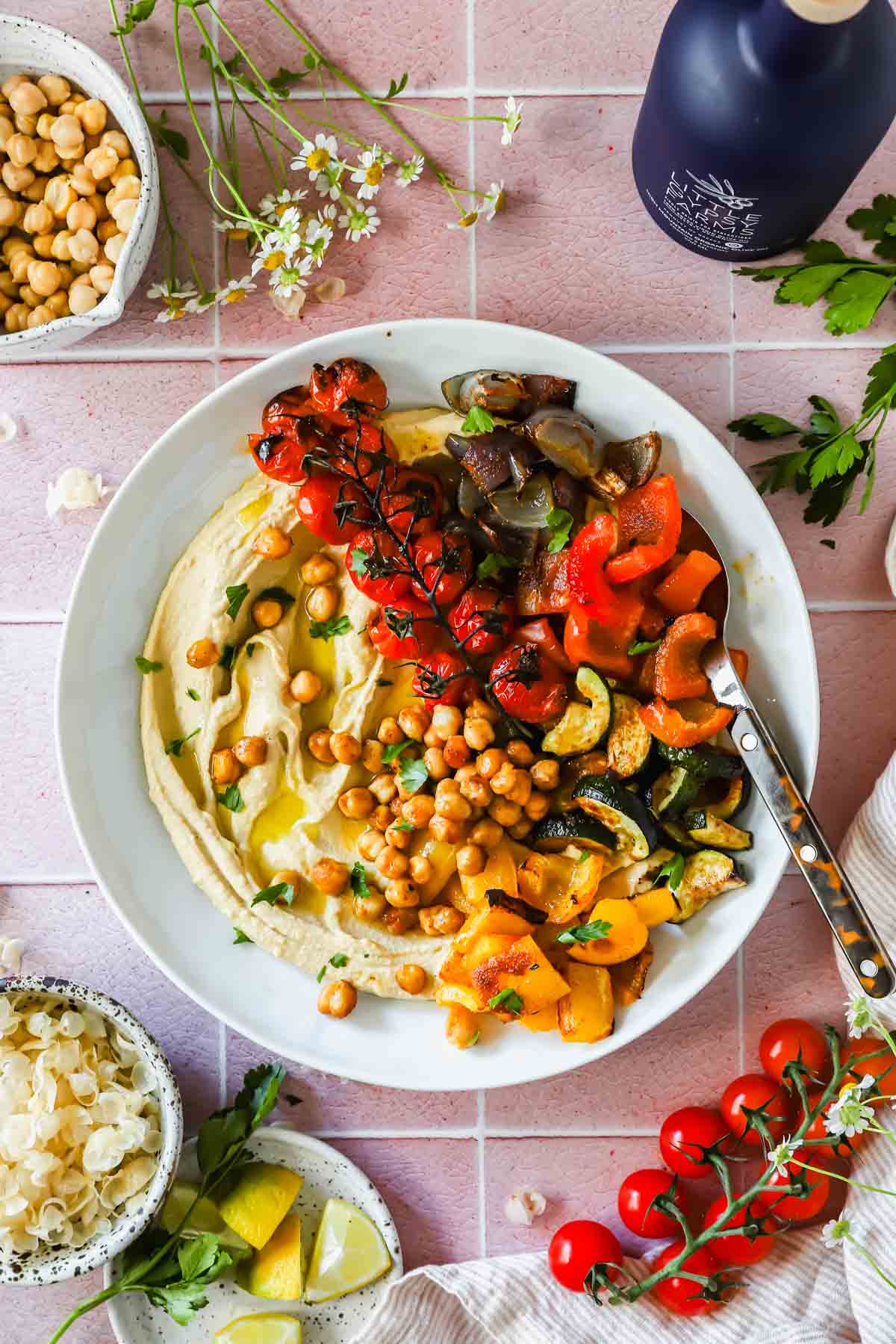
Why You’ll Love This Roasted Chickpea Hummus Bowl Recipe
- Nutritional powerhouse: Each bowl delivers a complete meal with plant-based protein, complex carbohydrates, healthy fats, and a wide spectrum of vitamins and minerals — all from whole food sources.
- Meal-prep friendly: Every component can be made in advance and stored separately, making weekday lunches completely effortless.
- Deeply customizable: This bowl is a template, not a rigid recipe. Swap in whatever vegetables are in season, adjust the spice level, or add a protein of your choice.
- Genuinely satisfying: The combination of creamy hummus, crispy chickpeas, and crunchy vegetables hits every textural note you want in a complete meal.
- Naturally vegan and gluten-free: No substitutions needed — this recipe is inclusive from the start, making it ideal for feeding people with different dietary needs.
- Restaurant-quality at home: The combination of homemade hummus and perfectly spiced roasted chickpeas elevates this far beyond what you’d expect from a 45-minute weeknight dish.
Key Ingredients That Make This Bowl Exceptional
At the heart of every great hummus bowl is the hummus itself, and that starts with dried or canned chickpeas. While canned chickpeas are convenient and work beautifully for the roasted topping, taking the extra step of starting from dried chickpeas for your hummus base — cooking them until they’re completely tender and almost falling apart — produces a silkiness that commercial hummus simply cannot replicate. Chickpeas are the nutritional anchor of this entire dish, providing substantial plant-based protein and a remarkable amount of dietary fiber that supports digestive health and keeps you full for hours.
Good tahini is arguably the most important supporting ingredient in your hummus, and it’s worth investing in a high-quality jar. Look for tahini made from hulled sesame seeds with no added oils or stabilizers — the kind that separates in the jar and needs a good stir. It should taste nutty and slightly bitter, never rancid or overly thick. Tahini is rich in calcium, healthy monounsaturated fats, and a range of B vitamins, making it a genuinely functional ingredient rather than just a flavor component. For more on the science behind great tahini-based sauces, Serious Eats has an excellent deep-dive into what makes hummus truly exceptional that’s worth reading before you make your first batch.
The spice blend for roasting the chickpeas — built around smoked paprika, cumin, garlic powder, and a touch of cayenne — is what transforms a simple legume into something genuinely addictive. Smoked paprika in particular does remarkable work here, adding a depth of flavor that echoes the smokiness you might get from a wood-fired grill. This same aromatic combination appears in so many Mediterranean and Middle Eastern preparations because it layers complexity without overwhelming the natural earthiness of the chickpeas themselves.
For the vegetable component, cherry tomatoes, English cucumber, and roasted red bell pepper form the ideal trio. The tomatoes bring acidity and sweetness; the cucumber adds cool, refreshing crunch; and the roasted pepper contributes a tender, slightly caramelized richness that ties everything together. Finally, a generous handful of fresh herbs — flat-leaf parsley and fresh mint — scattered over the finished bowl is not optional. Fresh herbs are one of the easiest ways to elevate any dish from good to memorable, and they contribute meaningful antioxidants and micronutrients that dried herbs simply can’t match.
Pro Tips & Variations for the Best Roasted Chickpea Hummus Bowl
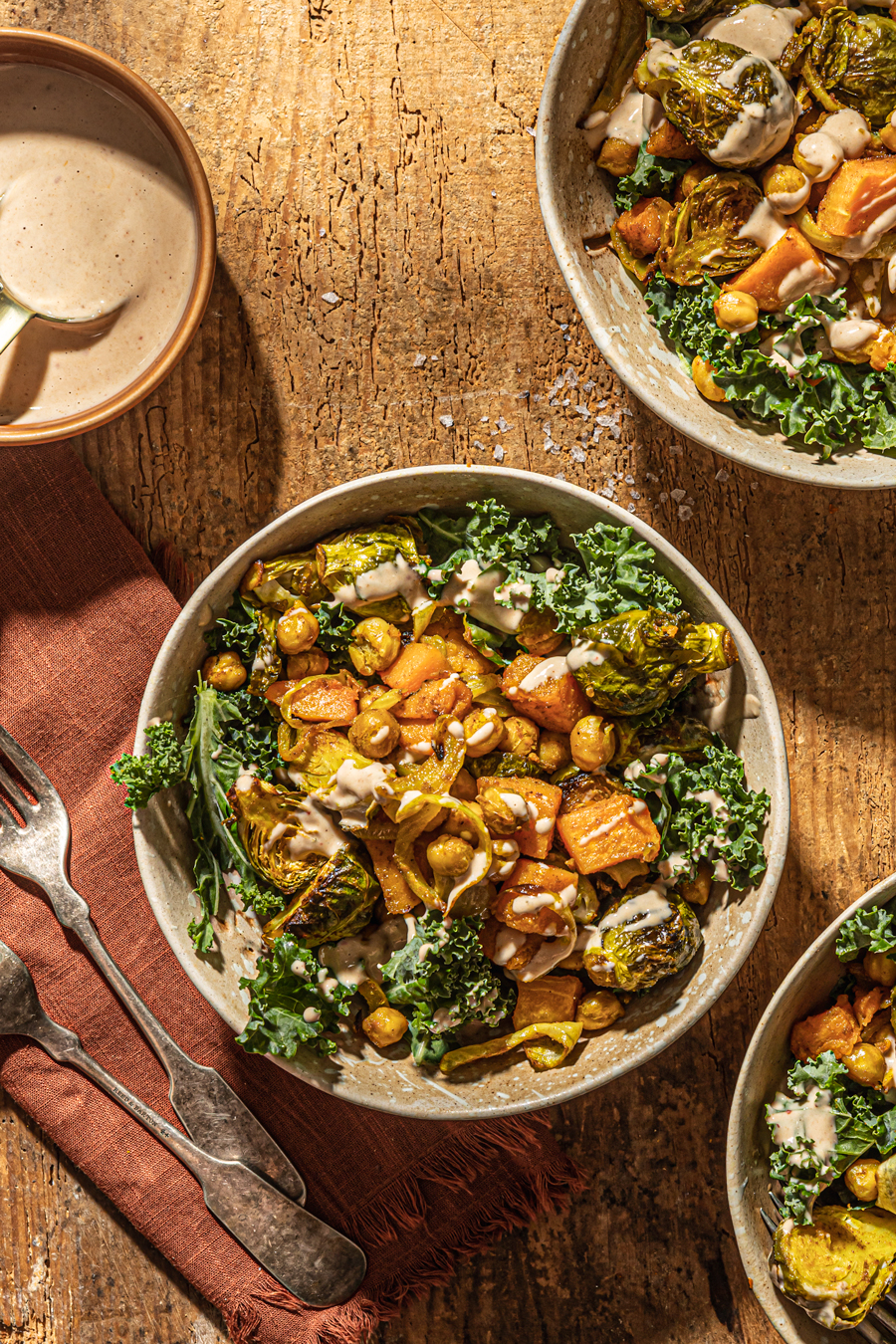
Dry your chickpeas thoroughly before roasting. This is the single most important technique tip in this entire recipe. After draining and rinsing your canned chickpeas, spread them on a clean kitchen towel and pat them completely dry — then let them air out for another 10 minutes. Any surface moisture will steam the chickpeas in the oven rather than roast them, and you’ll lose that incredible crunch that makes this dish so satisfying. Some cooks even remove the thin outer skins for extra crispiness, though this step is optional.
Don’t crowd the baking sheet. Give your chickpeas space. When they’re packed too tightly, they steam rather than roast, and you end up with a soft, chewy texture instead of the golden, crackling crunch you’re after. Use two sheet pans if necessary, and give them a good shake halfway through the cooking time to ensure even browning on all sides.
Make your hummus ahead and let it rest. Freshly made hummus is good the moment it’s blended, but it becomes extraordinary after sitting in the refrigerator for a few hours. The flavors meld together, the texture smooths out, and the garlic mellows from sharp and assertive to something more rounded and complex. Make it the night before if you can — your future self will thank you.
Season the hummus aggressively. Hummus needs more salt than you think. Taste it, adjust, and taste again. The lemon juice is equally important — it brightens the entire flavor profile and keeps the dish from feeling heavy. According to the food experts at Bon Appétit, the key to restaurant-quality hummus is blending for longer than you think necessary — at least 4-5 minutes in a high-powered food processor — which incorporates air and creates that ultra-smooth, almost whipped consistency.
Add a grain for extra staying power. A scoop of warm farro, fluffy quinoa, or herbed couscous underneath the hummus makes this bowl even more substantial and extends the meal beautifully. This is particularly useful for meal-prep purposes, as the grains absorb the flavors of the hummus and dressing as they sit.
Protein variations: While this bowl is completely satisfying as a plant-based meal, it also pairs beautifully with grilled chicken, lamb kofta, pan-seared salmon, or soft-boiled eggs for those who want an animal protein addition. If you love building complete, customizable bowls like this one, you’ll also enjoy our Healthy Stuffed Bell Peppers with Ground Turkey — another complete, nutrition-forward dinner that comes together with minimal fuss.
Seasonal vegetable swaps: In winter, swap the cucumber and cherry tomatoes for roasted beets, caramelized onions, and wilted greens. In summer, add grilled zucchini, fresh corn cut from the cob, or thin-sliced radishes for a cooling crunch. The hummus bowl format is endlessly adaptable to what’s fresh and local in your area.
Nutritional Highlights
This roasted chickpea hummus bowl recipe is a genuinely well-rounded meal from a nutritional standpoint, and that’s not by accident — it’s by design. Each serving delivers approximately 420 calories built around high-quality macronutrients: roughly 18 grams of plant-based protein from the chickpeas and tahini, 48 grams of complex carbohydrates with a significant fiber contribution, and 20 grams of predominantly unsaturated fats from the olive oil and sesame. The fiber content alone — approximately 13 grams per serving — is remarkable, representing nearly half of the daily recommended intake and providing substantial support for gut health, blood sugar regulation, and long-lasting satiety. The rainbow of vegetables contributes vitamins A, C, and K alongside folate and potassium, while the tahini adds a meaningful dose of calcium and iron. If you’re building a meal-prep routine centered on clean eating, this bowl is one of the most efficient and delicious ways to hit your nutritional targets without ever feeling like you’re restricting yourself. For other nourishing, no-compromise meals in this vein, our Cold Cucumber Avocado Soup is another excellent choice — fresh, nutrient-dense, and on the table in minutes.
Frequently Asked Questions
Can I make the components of this roasted chickpea hummus bowl recipe ahead of time?
Absolutely, and in fact, this recipe is tailor-made for advance preparation. The homemade hummus will keep beautifully in an airtight container in the refrigerator for up to five days, and many people find it improves after the first day as the flavors fully develop. The roasted chickpeas, however, are best stored separately at room temperature in a loosely covered bowl — storing them in an airtight container traps moisture and softens that incredible crunch you worked to achieve. They’ll stay crispy for up to two days this way. The fresh vegetables can be prepped and stored in the refrigerator for three to four days. When you’re ready to eat, simply warm the chickpeas in a dry skillet for a few minutes to restore their crunch, spread fresh hummus in your bowl, and assemble everything together. This makes the bowl an ideal candidate for weekly meal prep.
What can I substitute for tahini in the homemade hummus?
Tahini is a foundational flavor in traditional hummus, and there’s no perfect one-to-one substitute, but there are several good workarounds depending on your needs. Sunflower seed butter is the closest in texture and provides a similarly neutral, nutty base without the sesame allergen concern — use it in equal amounts. Cashew butter or almond butter (unsweetened) can also work, though they’ll shift the flavor profile toward something slightly sweeter and less distinctly Mediterranean. If you’re simply out of tahini and want to proceed with the recipe, you can make a lighter hummus using just olive oil, lemon, garlic, and chickpeas — it won’t have the same depth, but it’s still delicious. For the roasted chickpea topping and vegetable components, tahini isn’t required at all, so those elements of the recipe remain unaffected.
How do I keep the roasted chickpeas crispy after cooking?
The enemy of crispy roasted chickpeas is moisture, so the key is to manage their environment carefully after they come out of the oven. First, let them cool completely on the baking sheet before storing — trapping heat in a container creates condensation that softens the exterior. Once cool, store them at room temperature in a bowl covered loosely with a paper towel or a container with the lid slightly ajar rather than sealed airtight. Avoid refrigerating them, as the humidity in the fridge will significantly soften them overnight. If your chickpeas do lose their crunch, a quick 5-minute blast in a 375°F oven or a few minutes in an air fryer will revive them almost completely. For best results, plan to roast the chickpeas the same day you intend to serve the bowls so they’re at peak crunchiness when they hit the table.
Make It, Share It, Save It
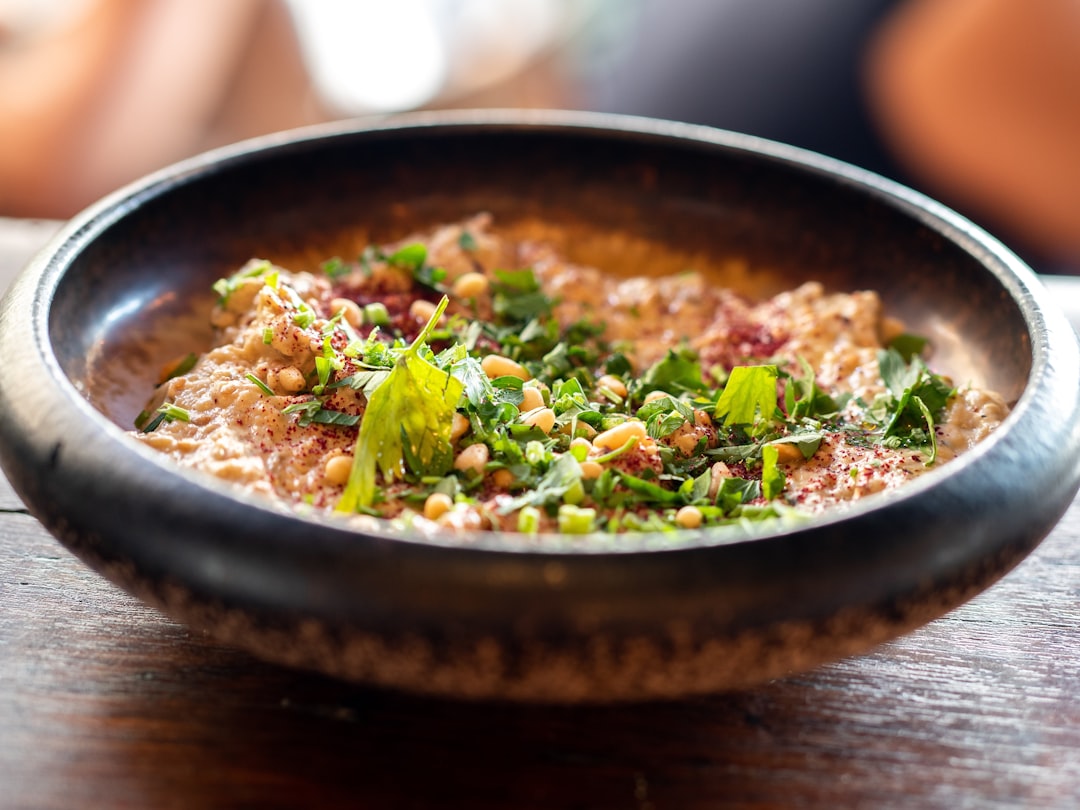
This roasted chickpea hummus bowl recipe is the kind of dish that earns a permanent place in your weekly rotation — not because you feel obligated to eat it, but because you genuinely look forward to it. It’s proof that eating in alignment with your health goals and eating with pure joy don’t have to be separate pursuits. They can be the exact same thing, presented in a beautiful bowl with a drizzle of good olive oil and a shower of fresh herbs.
If you make this recipe, we’d love to see your creation. Tag us on Instagram, save this post for your next meal-prep Sunday, or share it with a friend who’s been looking for a lunch they’ll actually be excited to eat. And if you’re in the mood to explore more of what Mediterranean-inspired, wellness-focused eating looks like at Eating Happiness, our Grilled Peach Burrata Breakfast Toast is a gorgeous next stop — same philosophy, same commitment to ingredients that are as good for you as they taste.
Find the complete recipe card below ↓
Roasted Chickpea and Vegetable Hummus Bowls
Ingredients
- 2 cans chickpeas 15 oz each, drained, rinsed, and thoroughly dried
- 2 tablespoons olive oil extra virgin
- 1 teaspoon smoked paprika
- 1 teaspoon ground cumin
- 1/2 teaspoon garlic powder
- 1/4 teaspoon cayenne pepper adjust to taste
- 3/4 teaspoon kosher salt
- 1/4 teaspoon black pepper freshly ground
- 1 can chickpeas 15 oz, drained and rinsed, liquid reserved
- 1/4 cup tahini high quality, well stirred
- 3 tablespoons fresh lemon juice about 1 large lemon
- 2 cloves garlic roughly chopped
- 3 tablespoons olive oil extra virgin, plus more for serving
- 3-4 tablespoons reserved chickpea liquid or ice water to achieve smooth consistency
- 3/4 teaspoon kosher salt plus more to taste
- 1/2 teaspoon ground cumin
- 1 cup cherry tomatoes halved
- 1 medium English cucumber diced
- 1 large roasted red bell pepper sliced, from jar or homemade
- 1/2 cup Kalamata olives pitted and halved
- 1/4 small red onion thinly sliced
- 1/4 cup fresh flat-leaf parsley roughly chopped
- 2 tablespoons fresh mint leaves torn
- 4 tablespoons olive oil for drizzling to finish
- 1 teaspoon smoked paprika for garnish
- 2 tablespoons toasted pine nuts optional
- 4 wedges lemon for serving
- 4 pieces warm pita bread or flatbread optional, for serving

Instructions
- Preheat your oven to 425°F (220°C). Line a large rimmed baking sheet with parchment paper.
- Drain and rinse two cans of chickpeas. Spread them on a clean kitchen towel and pat completely dry, rubbing gently to remove any loose skins. Let them air dry for an additional 10 minutes — this step is critical for maximum crispiness.
- Transfer the dried chickpeas to the prepared baking sheet. Drizzle with 2 tablespoons of olive oil and toss to coat evenly. Spread into a single layer with space between each chickpea.
- Roast for 20 minutes, then remove the pan from the oven and shake to redistribute. Sprinkle the smoked paprika, cumin, garlic powder, cayenne, salt, and pepper over the chickpeas and toss to coat.
- Return to the oven and roast for another 10-15 minutes, or until the chickpeas are deeply golden, audibly crunchy, and fragrant. Watch carefully in the last few minutes to prevent burning. Remove from the oven and let cool on the pan.
- While the chickpeas roast, prepare the hummus. Add the tahini and lemon juice to the bowl of a food processor and process for 1 full minute until lightened in color and slightly whipped.
- Add the garlic and olive oil to the tahini mixture and process for another 30 seconds until combined.
- Add the drained chickpeas, cumin, and salt. Process for 3-4 minutes, stopping occasionally to scrape down the sides. With the processor running, drizzle in the reserved chickpea liquid or ice water one tablespoon at a time until the hummus reaches a silky, smooth, pourable-but-spreadable consistency.
- Taste and adjust seasoning — add more lemon juice, salt, or garlic as needed. Transfer to a bowl, cover, and refrigerate until ready to serve. The hummus can be made up to 5 days ahead.
- Halve the cherry tomatoes, dice the cucumber, slice the roasted red pepper, halve the olives, and thinly slice the red onion. Arrange them in separate small bowls or on a cutting board.
- Roughly chop the parsley and tear the fresh mint leaves. Set aside for garnishing.
- For each bowl, use the back of a large spoon to spread a generous 1/2 cup portion of hummus across the bottom and up the sides of a wide, shallow bowl, creating a well in the center.
- Arrange the fresh vegetables — cherry tomatoes, cucumber, roasted pepper, olives, and red onion — over and around the hummus.
- Top generously with the warm crispy roasted chickpeas.
- Drizzle each bowl with extra virgin olive oil, dust lightly with smoked paprika, and scatter the fresh parsley, mint, and pine nuts (if using) over everything.
- Serve immediately with a lemon wedge on the side and warm pita or flatbread if desired. Encourage diners to squeeze the lemon over everything just before eating.