

The Weeknight Dinner That Changed How I Cook Pasta
There is a particular kind of weeknight exhaustion that hits right around 6 p.m. — the kind where you open the fridge, stare into the abyss, and will yourself to make something nourishing without destroying every pan in the kitchen. That was the exact moment this one-pot cheesy orzo with asparagus was born in my kitchen. I had a bunch of asparagus that needed to be used, a box of orzo on the shelf, and a deep, personal grudge against washing the colander. What came out of that pot twenty-five minutes later was so good — so creamy, so satisfying, so genuinely easy — that I made it three more times that same week.
What makes this recipe special on a site like Eating Happiness isn’t just the convenience factor (though, yes, one pot and zero colander is genuinely life-changing). It’s that this dish is quietly, beautifully nutritious. Asparagus is one of spring’s great nutritional gifts — packed with folate, vitamins K and C, and prebiotic fiber that feeds your gut. Orzo, especially when cooked pasta-style in a measured amount of broth, absorbs every drop of liquid and flavor rather than having its starchy goodness poured down the drain. The result is a naturally creamy, risotto-adjacent texture that feels indulgent but is rooted entirely in wholesome, real-food ingredients. No heavy cream required.
This is the kind of recipe that belongs in your permanent weeknight rotation — the one you mentally bookmark for busy Tuesdays, for when a friend needs a comforting meal dropped off, for when you want something that tastes like you tried hard but took less than 30 minutes from pantry to table. If you love easy one-pot cooking as much as we do here, you’re in exactly the right place.
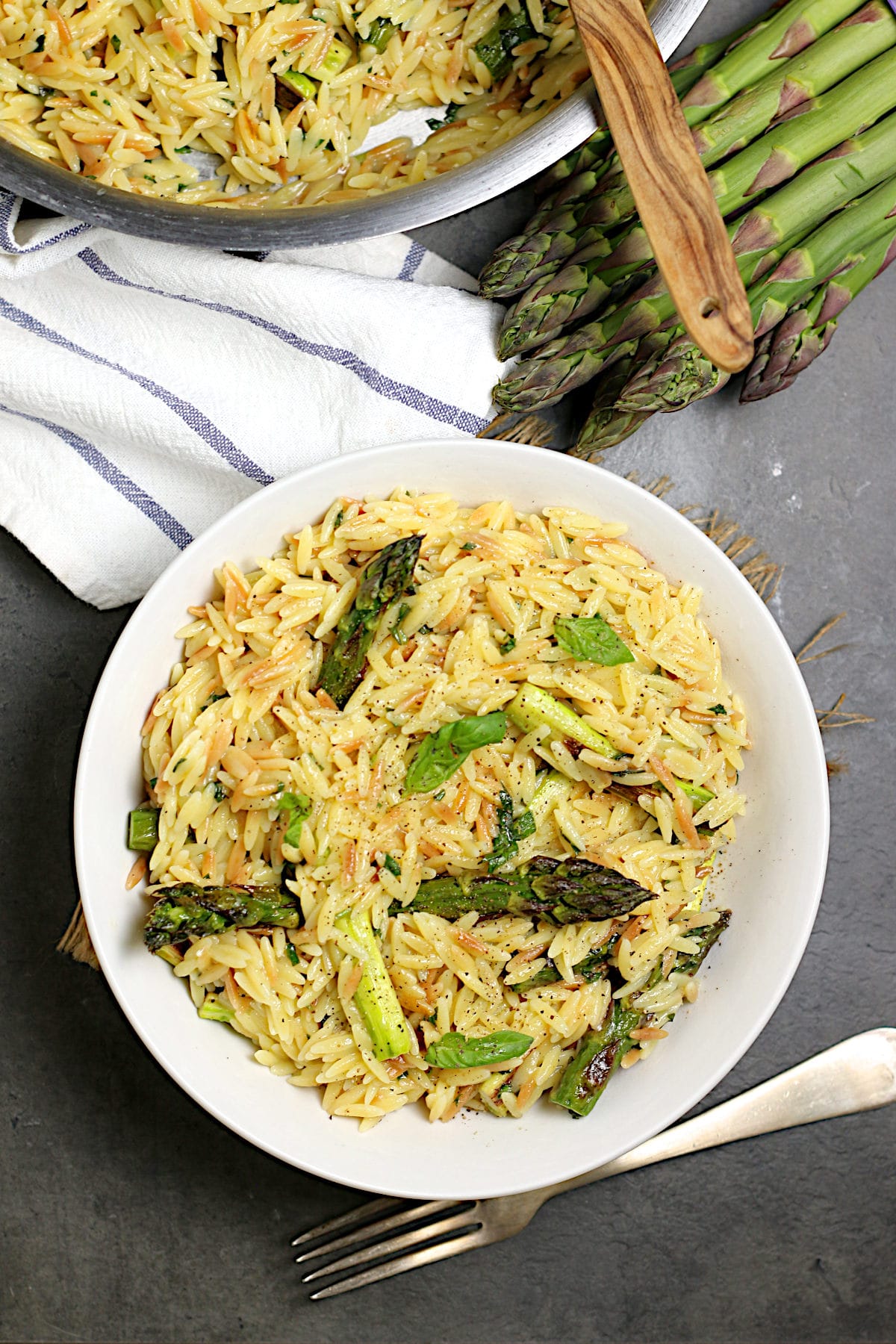
Why You’ll Love This Recipe
- Truly one pot, zero colander. The orzo cooks directly in measured broth and absorbs every drop — no draining, no straining, no extra dishes.
- Creamy without heavy cream. The natural starch released by the orzo as it cooks creates a velvety, risotto-like sauce that feels luxurious without any heavy ingredients.
- Packed with seasonal vegetables. Asparagus brings color, crunch, and serious nutritional value — and it cooks perfectly right in the same pot during the final minutes.
- Ready in under 30 minutes. From the moment your onion hits the pan to the moment you’re shaving parmesan over the top, this is a genuine weeknight miracle.
- Endlessly flexible. Swap the asparagus for peas, zucchini, or spinach. Add rotisserie chicken, cannellini beans, or crispy prosciutto. The base recipe is a canvas.
- Family and crowd friendly. Kids love the cheesy, mild base. Adults love that it tastes like something from a restaurant. Everyone wins.
Key Ingredients
The beauty of this dish starts with orzo — that small, rice-shaped pasta that is perfectly engineered for the no-drain, one-pot method. Unlike spaghetti or penne, orzo has a high surface-area-to-volume ratio that lets it absorb broth evenly and release starch gradually, building that gorgeous creamy consistency without any cream at all. The technique is similar to what Serious Eats describes in their deep-dive on one-pot pasta methods — controlling liquid ratios is the key to a dish that’s saucy rather than gluey. For this recipe, a good-quality vegetable or chicken broth is your flavor foundation — it does the heavy lifting that salted pasta water never could, seasoning every grain from the inside out. Choose a low-sodium broth so you can control the salt level yourself, especially important if you’re adding a salty cheese at the end.
Asparagus is the vegetable star here, and it’s more than just a pretty green addition. Asparagus is one of the best natural sources of folate, a B vitamin critical for cell health and energy production, and its prebiotic fiber feeds the beneficial bacteria in your gut. The trick is adding it toward the end of cooking — about 3 to 4 minutes before the orzo is done — so it steams right in the pot and stays vibrant and tender-crisp rather than turning grey and sad. Parmesan cheese is the finishing touch that ties everything together: sharp, salty, nutty, and deeply umami. Freshly grated off the block melts infinitely better than pre-shredded and creates a silkier sauce. Finally, a generous amount of garlic and a shallot sautéed at the start build an aromatic base that gives this simple dish complexity and depth — they’re the reason it smells impossibly good the moment the pot heats up.
Pro Tips & Variations
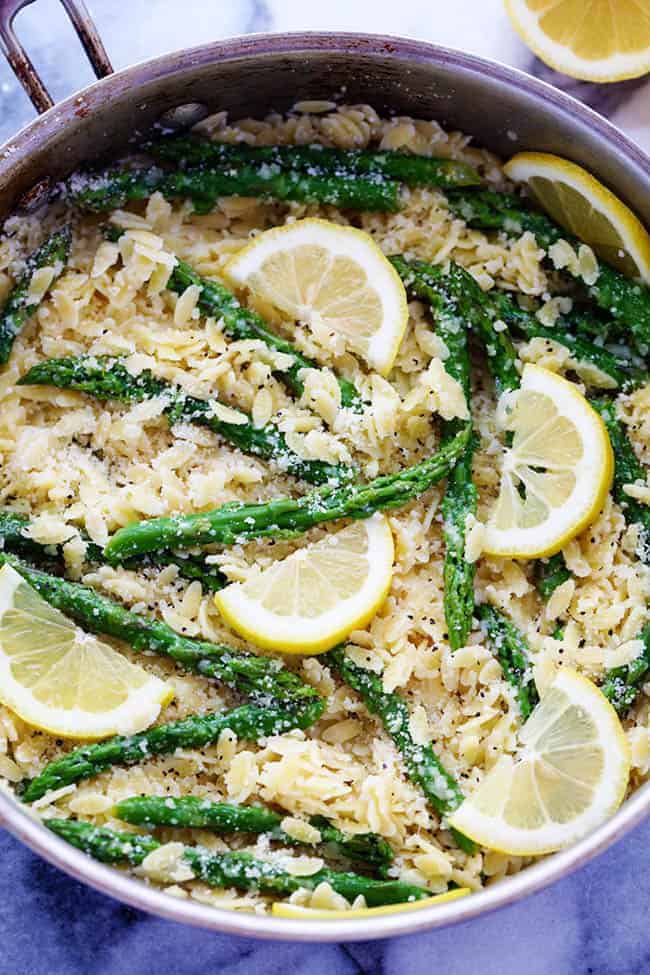
Stir often, but not constantly. This is the one-pot pasta method’s golden rule. Stirring every minute or two prevents the orzo from sticking to the bottom of the pot and encourages even starch release for that creamy texture — but you don’t need to babysit it like a risotto. A good stir, a 90-second rest, another stir. That rhythm works perfectly.
Get your liquid ratio right. The key to the no-drain method is using just enough liquid that by the time the pasta is cooked through, almost nothing is left in the pot — just a glossy, coating sauce. For orzo, a 1:2 ratio (1 cup orzo to 2 cups broth) is the sweet spot, plus a splash extra for the asparagus steaming stage. If things look dry before the pasta is done, add broth in ¼-cup increments.
Don’t skip the lemon zest. A microplane of fresh lemon zest stirred in right before serving cuts through the richness of the cheese and makes every single flavor pop. It’s not optional. This is a hill I will absolutely die on.
Make it a complete protein meal. Stir in a can of drained white beans for plant-based protein, or top with a soft-poached egg. Shredded rotisserie chicken or sautéed shrimp folded in at the end also work beautifully — similar to the technique used in our Low Country Shrimp Boil, where proteins and vegetables cook together in layered, efficient harmony.
Swap the vegetables seasonally. Asparagus in spring, zucchini and cherry tomatoes in summer, butternut squash cubes in fall, frozen peas year-round. The one-pot method adapts beautifully to whatever is freshest at the market.
Make it vegan. Use vegetable broth, skip the parmesan, and finish with 2 tablespoons of nutritional yeast and a tablespoon of good olive oil. You’ll get that savory, cheesy depth without any dairy. Brilliant for plant-based weeknights.
Double it for meal prep. This recipe scales up easily. Make a double batch on Sunday and portion into containers for the week — it reheats beautifully with a splash of broth or water in the microwave. The orzo will absorb liquid as it sits, so expect it to be thicker from the fridge. This is not a problem. This is lunch.
If you love the single-vessel cooking philosophy, you might also want to bookmark our Sweet Potato Peanut Stew and our deeply cozy Dutch Oven Lasagna — two more recipes that prove the best meals rarely require more than one vessel and a lot of love.
Nutritional Highlights
This one-pot cheesy orzo with asparagus punches well above its weight in the nutrition department for such a comforting, crowd-pleasing dish. A single serving delivers a meaningful amount of plant-based fiber from both the orzo and the asparagus, which supports healthy digestion and helps you stay full and satisfied longer. Asparagus contributes vitamins K, C, and E, along with folate and a surprising amount of antioxidants — and because it’s cooked gently in the pot rather than boiled and drained, those water-soluble nutrients stay in the dish rather than disappearing down the sink. The parmesan adds calcium and a hit of complete protein, while the olive oil used for sautéing provides heart-healthy monounsaturated fats. As Bon Appétit notes in their guide to asparagus, this vegetable is also a natural diuretic and has been linked to liver-protective properties. At roughly 410 calories per generous serving, this is a genuinely balanced, nutritious meal that feels indulgent — the best kind of weeknight dinner there is.
Frequently Asked Questions
Can I use a different type of pasta instead of orzo?
Orzo is really the best choice for this specific no-drain, one-pot method because of its small size and ability to absorb liquid evenly. That said, other small pasta shapes — like ditalini, acini de pepe, or small elbow macaroni — can work with minor adjustments to liquid ratios and cook times. Larger pasta shapes are not recommended for this method because they won’t absorb liquid as uniformly, and you risk undercooked centers or overcooked exteriors. If you swap the pasta shape, check the package cook time and adjust your broth accordingly, adding more liquid in small increments if needed. Avoid whole wheat orzo for your first attempt — it absorbs differently and can make the sauce gummy if you’re not familiar with the adjustment.
How do I store and reheat leftovers?
Store cooled leftovers in an airtight container in the refrigerator for up to 4 days. The orzo will continue to absorb liquid as it sits, so when you reheat, add a splash of broth, water, or even a little milk to loosen it back up — about 2 to 3 tablespoons per serving. Reheat gently on the stovetop over medium-low heat, stirring frequently, or microwave in 60-second bursts, stirring between each. This dish does not freeze well — the texture of the orzo and asparagus changes significantly after freezing and thawing, becoming mushy and unappealing. It’s best enjoyed fresh or within the refrigerator window.
Can I make this dish gluten-free?
Yes! Several brands now make excellent gluten-free orzo from rice flour or chickpea flour, and either will work in this recipe. Chickpea-based orzo is especially great here because it adds extra protein and fiber, making the dish even more nutritionally complete. The main thing to watch is liquid absorption — gluten-free pasta often absorbs liquid a bit differently than traditional semolina pasta, so keep a close eye on the pot and add broth in small increments if things look dry before the pasta is tender. Always check that your broth is also certified gluten-free if you’re cooking for someone with celiac disease or a serious gluten sensitivity.
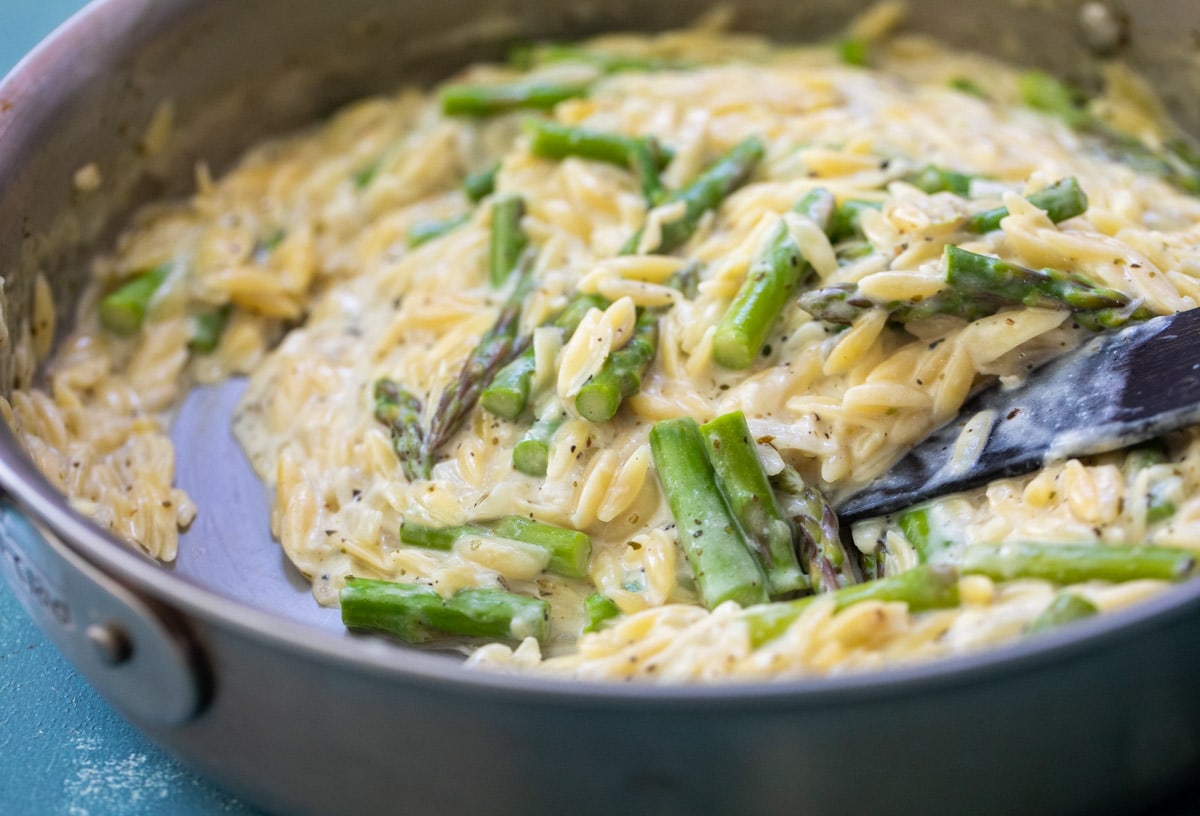
Ready to Make the Easiest, Cheesiest Dinner of the Week?
This one-pot cheesy orzo with asparagus is proof that weeknight cooking doesn’t have to be a compromise between ease and nourishment. You get one pot, zero colander, thirty minutes, and a bowl of something genuinely beautiful — creamy, veggie-forward, cheesy in the best possible way, and flexible enough to make your own every single time you cook it. Whether you keep it simple and vegetarian or pile it with shrimp, chicken, or white beans, this recipe delivers every time.
If you make this dish, we would absolutely love to see it. Snap a photo, share it on Instagram or Pinterest, and tag us at @EatingHappiness — your beautiful bowls inspire other home cooks to get into the kitchen and try something new. And if this earned a permanent spot in your weeknight rotation (it will), save it, share it with a friend who needs a low-effort dinner win, and leave a star rating below. Your feedback genuinely helps this little food-loving community grow.
Find the complete recipe card below ↓
One-Pot Cheesy Orzo with Asparagus
Creamy, cheesy orzo and tender asparagus cooked entirely in one pot with no colander needed — a 30-minute weeknight dinner that’s as nourishing as it is delicious.
Ingredients
- 2 tablespoons olive oil (extra virgin)
- 1 medium shallot (finely diced)
- 4 cloves garlic (minced)
- 1/2 teaspoon red pepper flakes (optional, adjust to taste)
- 1.5 cups orzo pasta (dry, uncooked)
- 3.5 cups low-sodium vegetable or chicken broth (plus more if needed)
- 1/2 cup dry white wine (or substitute with additional broth)
- 1 pound fresh asparagus (tough ends trimmed, cut into 1.5-inch pieces)
- 1 cup freshly grated parmesan cheese (plus more for serving)
- 2 tablespoons unsalted butter
- 1 lemon (zested and juiced)
- 1/4 cup fresh parsley (roughly chopped)
- kosher salt and freshly cracked black pepper (to taste)
Instructions
- Heat olive oil in a large, deep skillet or Dutch oven over medium heat until shimmering. Add the shallot and a pinch of salt and cook, stirring occasionally, for 3 minutes until softened and translucent.
- Add the minced garlic and red pepper flakes and cook for 1 minute more, stirring constantly, until fragrant. Do not let the garlic brown.
- Add the dry orzo to the pot and stir to coat in the oil and aromatics. Toast for 1–2 minutes, stirring frequently, until the orzo is very lightly golden and smells nutty. This step adds depth of flavor.
- Pour in the white wine (if using) and stir, scraping up any bits from the bottom of the pot. Let it absorb almost completely, about 1 minute.
- Add the vegetable or chicken broth and bring to a gentle boil over medium-high heat. Reduce heat to medium, season with salt and pepper, and cook the orzo uncovered, stirring every 60–90 seconds, for about 7–8 minutes until mostly absorbed but still slightly saucy. The orzo should be al dente — almost cooked through.
- Nestle the asparagus pieces into the orzo, pressing them gently into the mixture. Cover the pot with a lid and cook for 3–4 minutes until the asparagus is bright green and tender-crisp and the remaining liquid is fully absorbed. If the pot looks too dry before asparagus is done, add broth in 2-tablespoon increments.
- Remove the pot from heat. Stir in the butter, grated parmesan, lemon zest, and lemon juice. Taste and adjust seasoning with salt and pepper.
- Divide into bowls and top with additional parmesan, fresh parsley, and extra cracked black pepper. Serve immediately.
