

The Probiotic-Packed Weeknight Bowl You’ll Make on Repeat
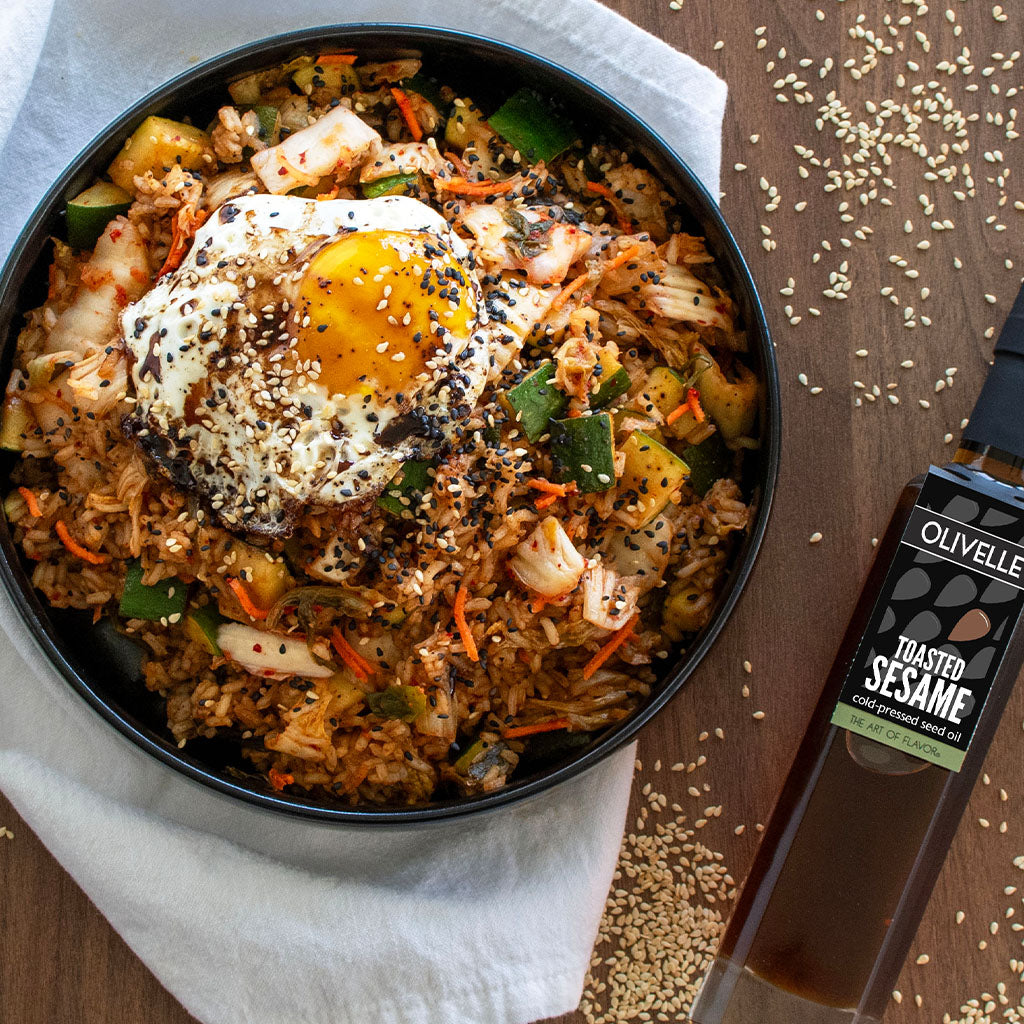
There is a particular kind of magic that happens when a jar of funky, tangy, deeply fermented kimchi hits a screaming-hot skillet. The cabbage caramelizes at the edges, the brine reduces into something almost jammy, and the whole kitchen fills with a savory, slightly spicy perfume that is impossible to ignore. Kimchi fried rice is one of those dishes that feels indulgent — the kind of meal you crave at midnight or after a long week — but it is quietly doing something genuinely wonderful for your body at the same time. This is the intersection of comfort food and conscious eating that we live for here at Eating Happiness.
I started making this version after a particularly brutal Monday when the refrigerator held little more than leftover rice, a half-eaten jar of kimchi, and a carton of eggs. What came together in under twenty minutes was so good that I immediately made it again the next night, this time intentionally. The secret is two-fold: using kimchi that has been fermenting for at least two weeks (the funkier, the better), and crowning the whole thing with a soft, jammy egg whose golden, barely-set yolk becomes a sauce all on its own. It is a bowl that checks every box — fast, nourishing, budget-friendly, and deeply satisfying in the way only fermented, umami-rich food can be.
What I love most about this recipe from a wellness standpoint is that the star ingredient — kimchi — is a nutritional powerhouse hiding in plain sight. Fermented foods have been celebrated in Korean culinary tradition for thousands of years, and modern nutrition science has caught up in a big way. Every bite of this rice delivers live probiotic cultures, vitamin C, B vitamins, and fiber. Paired with a protein-rich egg and the complex carbohydrates of day-old rice, this is a genuinely balanced meal that happens to taste like a treat. If you are a fan of cabbage-forward dishes that punch way above their nutritional weight, you are going to want to bookmark this one immediately.
Why You’ll Love This Recipe
- Ready in 20 minutes flat. From cold pan to hot bowl, this is one of the fastest genuinely nourishing meals in our rotation.
- Gut-health hero. Fermented kimchi is loaded with lactobacillus bacteria — the same probiotic strains found in high-quality supplements — meaning every serving actively supports your microbiome.
- Uses what you already have. Day-old rice, kimchi brine you might otherwise pour down the drain, and a couple of pantry staples are all it takes.
- Naturally gluten-free adaptable. Swap regular soy sauce for tamari and this entire bowl is gluten-free without sacrificing a single drop of flavor.
- Endlessly customizable. Add tofu for extra plant protein, toss in leftover vegetables, or keep it dead simple — the base recipe is forgiving and flexible.
- The jammy egg is a game-changer. A perfectly cooked 7-minute egg, with its custardy yolk just barely set, turns this humble bowl into something that feels restaurant-worthy.
Key Ingredients That Make This Dish Shine
At the heart of this recipe is, of course, kimchi — and not just any kimchi. You want a jar that has been fermenting long enough to develop real depth and tang. Fresh kimchi is milder and crunchier; aged kimchi (often labeled “sour” at Korean grocery stores) is more pungent, softer, and dramatically more flavorful when cooked. The fermentation process is also what produces those beneficial probiotic cultures, so do not skip it or substitute with a quick-pickled version. If you are curious about the broader world of fermented cabbage dishes and how they translate across cuisines, our Cabbage Stir Fry explores similar bold, Asian-inspired cabbage flavors in a lighter skillet format.
Day-old rice is non-negotiable for the best texture. Freshly cooked rice is too moist and clumps together in the pan, steaming rather than frying. Rice that has been refrigerated overnight loses that extra moisture, allowing each grain to separate and crisp independently in the hot oil. Leftover jasmine rice is ideal, but any medium- or long-grain variety works beautifully. Sesame oil, added at the very end of cooking rather than used as the frying fat, is what ties the entire dish together — just a small drizzle delivers a deep, nutty, toasty aroma that is instantly recognizable as the hallmark of great Korean-inspired cooking. Gochujang, the fermented Korean chili paste, adds a layer of heat that is complex and slow-building rather than sharp and one-dimensional. It also contributes a subtle sweetness and body to the sauce. Finally, the kimchi brine — often discarded — is liquid gold here. Splashed into the hot pan, it deglazes the fond, adds a concentrated punch of fermented flavor, and keeps the rice from drying out. According to the food scientists at Serious Eats, using the brine is one of the most impactful tricks for building maximum depth in kimchi fried rice with minimal effort.
Pro Tips & Variations
Use a carbon steel or cast iron pan. High heat is essential for proper frying, and a well-seasoned carbon steel or cast iron skillet will hold that heat far better than stainless steel or non-stick. The goal is a lightly crispy bottom layer of rice — almost like a Korean version of the beloved Persian tahdig.
Do not stir too much. Press the rice down and let it sit against the hot pan for 60 to 90 seconds before stirring. This is how you build those irresistible crispy bits throughout the dish.
Nail the jammy egg every time. Bring a small pot of water to a full boil, lower the eggs in gently, and cook for exactly 7 minutes. Transfer immediately to an ice bath for 2 minutes, then peel. The white will be fully set and the yolk will be gloriously golden and custard-soft. For more egg technique deep-dives, the team at Bon Appétit has exceptional resources on perfecting soft-boiled and jammy eggs.
Make it a protein-packed meal. Add diced firm tofu (press and pan-fry it first for the best texture), shredded rotisserie chicken, or even diced spam — a beloved addition in traditional Korean-American households. For another satisfying protein-forward rice dish, our Cabbage Dumplings make a fantastic side alongside this bowl.
Boost the vegetables. Diced zucchini, frozen peas, shredded carrots, or wilted spinach can all be stirred in during the last two minutes of cooking. This is a wonderful way to clean out the vegetable drawer and add more fiber and micronutrients to the meal.
Control your heat level. Gochujang ranges from mild to very spicy depending on the brand. Start with one tablespoon and taste before adding more. If you want the fermented flavor without the heat, look for mild gochujang or reduce the amount and add a tiny pinch of smoked paprika for color.
Nutritional Highlights
This kimchi fried rice is a wellness-forward meal masquerading as pure comfort food, and that is precisely why we are obsessed with it. A single serving provides a solid hit of complex carbohydrates from the rice for sustained energy, high-quality complete protein from the egg, and a meaningful dose of probiotics from the fermented kimchi to support gut health and immune function. Kimchi itself is a notable source of vitamins C and K, folate, and beta-carotene, and research continues to suggest that regular consumption of fermented foods is associated with greater microbiome diversity — a key marker of overall metabolic health. The sesame oil contributes heart-healthy monounsaturated fats, while the garlic and ginger add anti-inflammatory compounds. At approximately 420 calories per bowl, this is a complete, balanced meal that will keep you full for hours without leaving you feeling heavy. If you love cabbage-based meals that deliver on both flavor and nutrition, do not miss our Golumpki Soup — another hearty, cabbage-and-rice combination that is as nourishing as it is comforting.
Frequently Asked Questions
Can I make kimchi fried rice ahead of time?
Kimchi fried rice is best eaten fresh off the pan — that is when the rice retains its crispy edges and the kimchi flavor is at its most vibrant. That said, you can absolutely make a batch and reheat it in a hot skillet with a tiny splash of sesame oil the next day. The texture will be slightly softer but still delicious. We recommend making the jammy eggs fresh each time, as reheated boiled eggs can turn rubbery and lose their gorgeous custardy yolk texture. If you are meal prepping, cook the rice base ahead and fry fresh eggs to order.
What can I substitute for gochujang if I cannot find it?
Gochujang is worth seeking out — most Asian grocery stores carry it, and it is increasingly available at mainstream supermarkets and online. However, if you are in a pinch, a combination of sriracha (for heat), a tiny pinch of sugar (for sweetness), and a small amount of red miso paste (for fermented depth) can approximate the effect. The flavor will not be identical, but it will still produce a complex, spicy, savory sauce. Alternatively, omit it entirely and simply increase the amount of kimchi — the dish will be less saucy but still deeply flavorful.
How do I store leftover kimchi fried rice?
Store any leftover kimchi fried rice in an airtight container in the refrigerator for up to three days. The rice will absorb moisture as it sits and the kimchi flavor will intensify — which many people actually prefer the next day. To reheat, add the rice to a hot non-stick or cast iron skillet with a small drizzle of sesame oil or a splash of water, and stir-fry over medium-high heat until warmed through and slightly crisped again. Avoid microwaving if possible, as it tends to make the rice gummy. The jammy eggs should be stored separately and consumed within two days.
A Bowl Worth Coming Back To
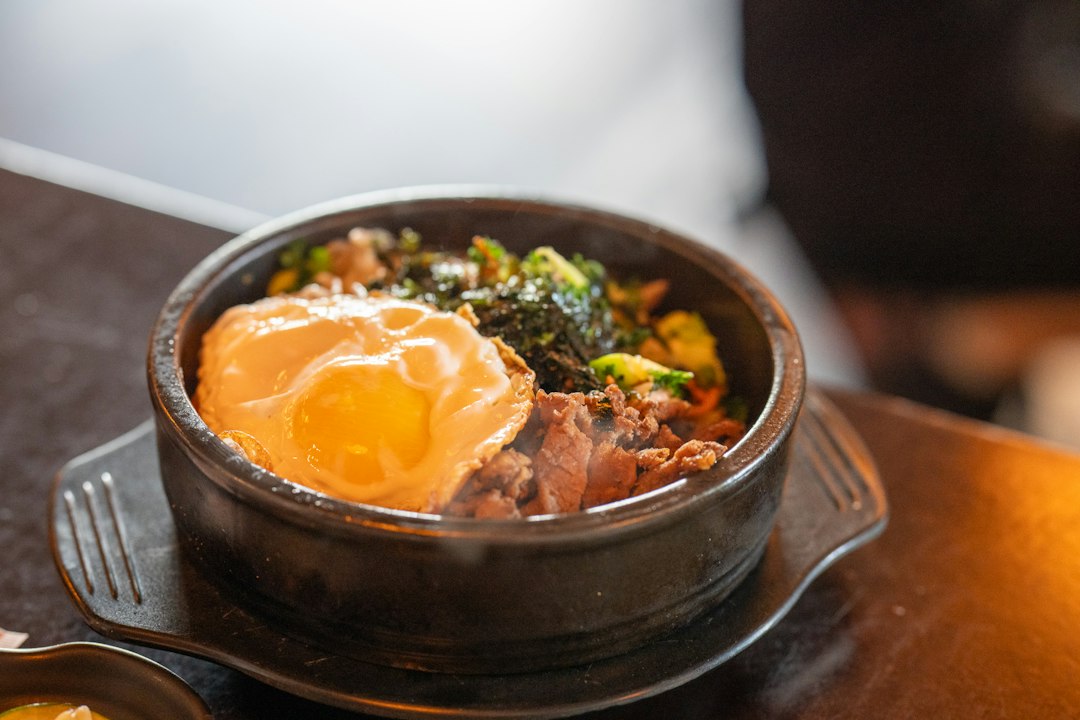
There is something deeply satisfying about a recipe this simple delivering this much flavor, this much nourishment, and this much genuine joy. Kimchi fried rice is proof that eating well and eating deliciously are not mutually exclusive goals — they are, in the best recipes, one and the same. Whether you are making this for a solo weeknight dinner, a quick weekend lunch, or a late-night craving that demands something more substantial than a bowl of cereal, this dish will deliver every single time. The jammy egg on top is not just a garnish; it is the finishing touch that transforms a great bowl into a perfect one.
If you make this kimchi fried rice, we want to hear about it! Leave a comment below with your favorite add-ins, share a photo on Instagram and tag us, or save this recipe to your Pinterest boards for those nights when you need a fast, nourishing meal and a little kimchi magic. Sharing recipes is how this community grows, and every time you cook something from Eating Happiness, you are part of that story.
Find the complete recipe card below ↓
Kimchi Fried Rice
Equipment
- Carbon steel skillet or cast iron pan
- Small saucepan
- Slotted spoon
- Ice bath bowl
- Wooden spoon or spatula
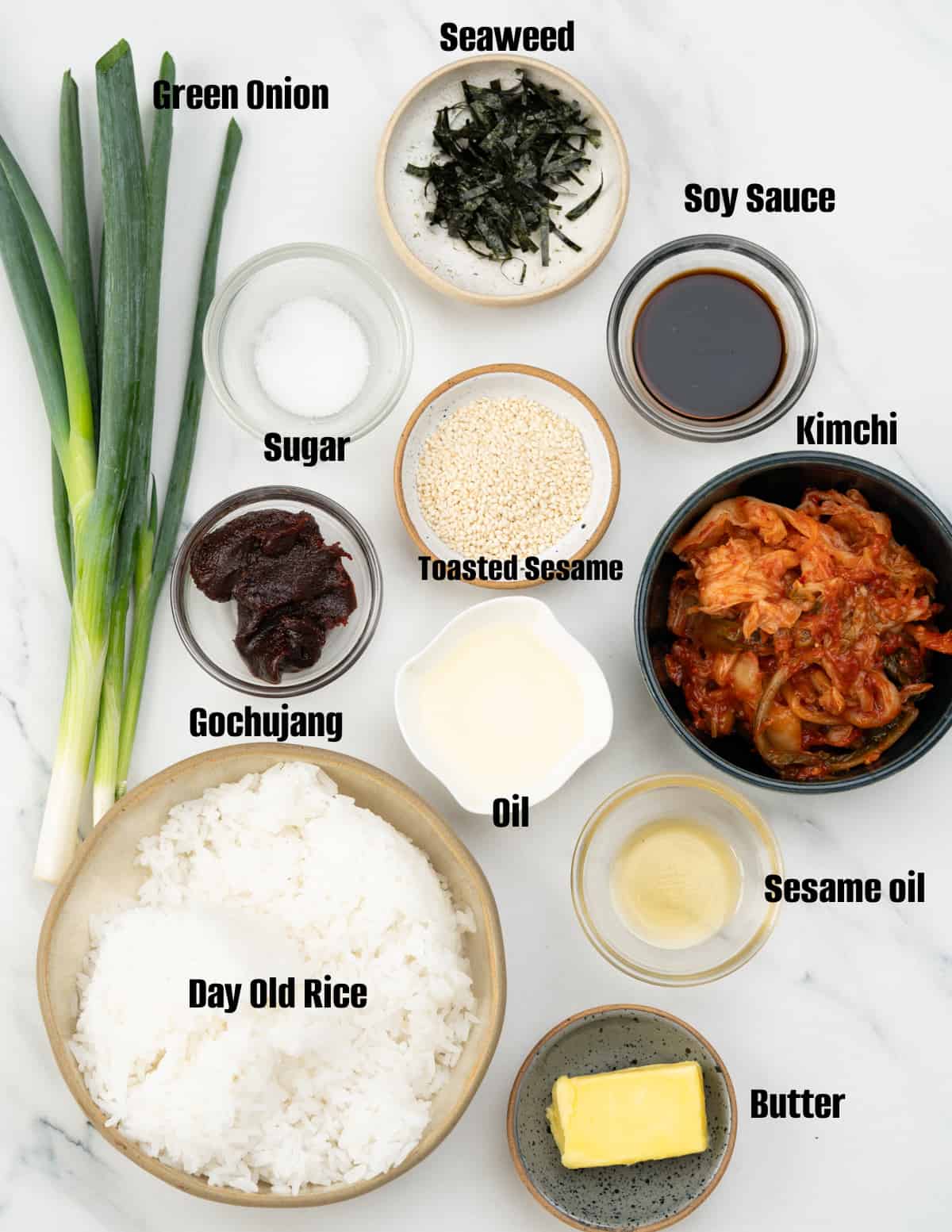
Ingredients
Rice & Kimchi
- 2 cups day-old cooked jasmine rice cold from the fridge, clumps broken up
- 1 cup kimchi chopped into bite-sized pieces, aged and sour preferred
- 3 tablespoons kimchi brine from the kimchi jar
Sauce & Aromatics
- 1 tablespoon gochujang Korean fermented chili paste; adjust to taste
- 1 tablespoon soy sauce or tamari for gluten-free
- 1 teaspoon sesame oil added off heat at the end
- 3 cloves garlic minced
- 1 teaspoon fresh ginger grated
- 1 tablespoon neutral oil such as avocado oil or vegetable oil, for frying
Toppings
- 2 large eggs for jammy eggs — boiled 7 minutes then ice-bathed
- 2 scallions thinly sliced, white and green parts separated
- 1 teaspoon sesame seeds for garnish
- 1 sheet nori optional, torn or cut into thin strips for garnish

Instructions
Make the Jammy Eggs
- Bring a small saucepan of water to a full rolling boil. Gently lower the eggs in using a slotted spoon. Cook for exactly 7 minutes.
- Transfer the eggs immediately to a bowl of ice water and let sit for 2 minutes. Peel carefully and set aside. The yolks should be golden and just barely set.
Fry the Kimchi Base
- Heat a large carbon steel skillet, cast iron pan, or wok over high heat until very hot. Add the neutral oil and swirl to coat.
- Add the white parts of the scallions, garlic, and ginger. Stir-fry for 30 seconds until fragrant — do not let the garlic burn.
- Add the chopped kimchi and stir-fry for 2 to 3 minutes, allowing it to caramelize slightly at the edges. Add the gochujang and soy sauce, stirring to coat the kimchi.
Fry the Rice
- Add the cold day-old rice to the pan, breaking up any clumps with a wooden spoon or spatula. Spread it into an even layer across the pan.
- Pour the kimchi brine over the rice. Press the rice down firmly against the hot pan and let it cook undisturbed for 60 to 90 seconds to develop crispy bits on the bottom.
- Stir and toss everything together, then press down and let sit again for another 30 to 60 seconds. Repeat once more. Taste and adjust seasoning with additional soy sauce if needed.
- Remove the pan from heat and drizzle the sesame oil over the rice. Toss once more to combine.
Assemble and Serve
- Divide the kimchi fried rice between two bowls. Halve the jammy eggs and nestle one per bowl on top of the rice.
- Garnish with the sliced green parts of the scallions, sesame seeds, and nori strips if using. Serve immediately.