

The Meal That Tastes Like Freedom
There is a particular kind of joy that only happens outdoors — the kind where the air smells like pine and woodsmoke, your shoulders finally drop away from your ears, and someone hands you something warm and golden-brown wrapped in a tortilla. That’s the magic of campfire quesadillas. They are stupidly simple, unbelievably satisfying, and somehow — in the best possible way — they taste better than anything you’ve ever made in your own kitchen. Nature has always been the best seasoning.
I made these for the first time on a camping trip in the Blue Ridge Mountains a few summers ago. We’d overpacked on gear and underpacked on meal planning (classic), and by the second night all we had left were some flour tortillas and a block of Monterey Jack cheese. Someone had a cast iron skillet. That was all we needed. Within ten minutes, we were gathered around the fire passing around the most absurdly delicious quesadillas any of us had ever eaten, laughing at how something so humble could feel so extraordinary. It’s a memory I go back to every time I make them now — even at home on a regular Tuesday.
What makes campfire quesadillas so special in the world of outdoor cooking is precisely their restraint. You don’t need a cooler full of toppings or a complicated marinade. Two ingredients — good cheese and good tortillas — come together over heat to create something crispy, melty, and deeply comforting. They’re a reminder that clean, simple eating doesn’t have to be complicated to be nourishing, and that some of the best meals are the ones you almost didn’t plan at all.
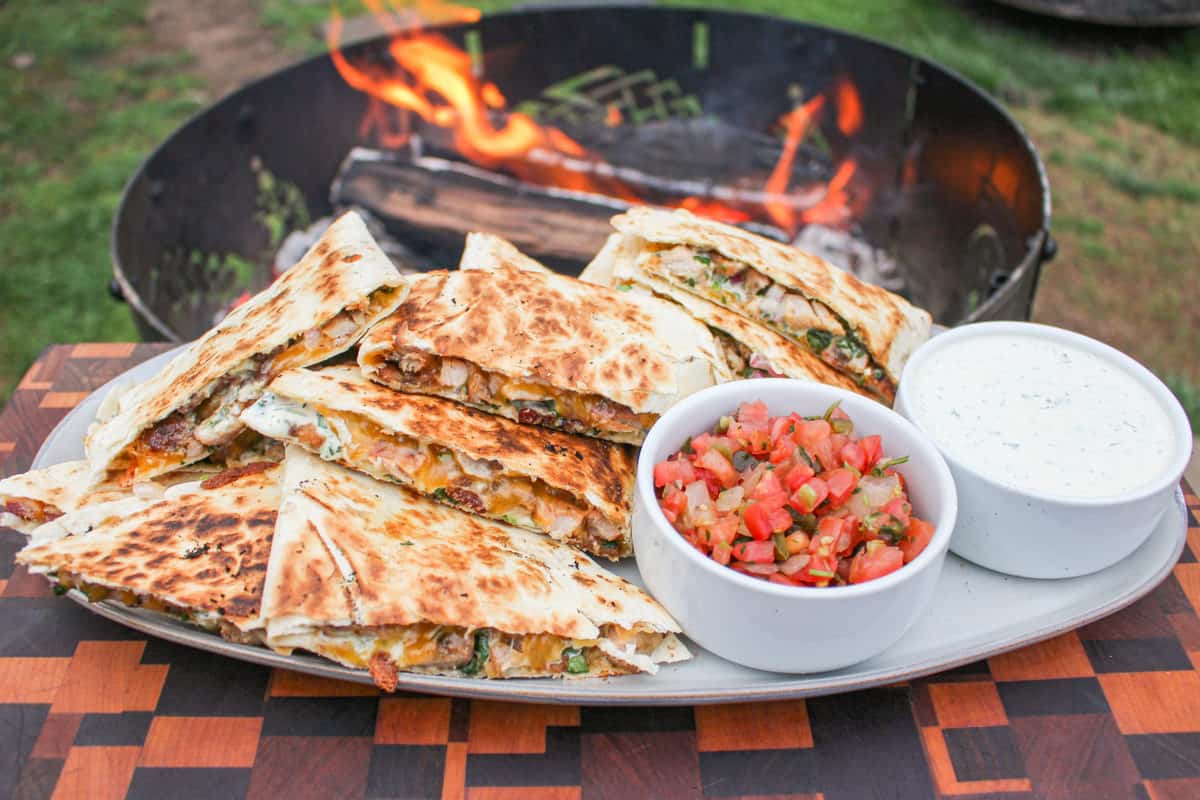
Why You’ll Love This Recipe
- Two ingredients, zero stress. Flour tortillas and cheese. That’s it. This is the recipe you reach for when you want something real without any fuss.
- Ready in under 10 minutes. Whether you’re working over a camp stove, a cast iron on a fire grate, or your stovetop at home, these quesadillas are done faster than you can finish setting the picnic table.
- Endlessly versatile. The two-ingredient base is just the beginning. Add whatever you have on hand — leftover grilled chicken, black beans, roasted peppers — and it transforms into something new every time.
- Kid and crowd approved. There is not a single human being on earth who turns down a properly crisped, cheese-pull quesadilla. They are universally beloved for a reason.
- A genuinely worth-it indulgence. Yes, this is melted cheese on a tortilla. And yes, it absolutely fits into a balanced, health-conscious lifestyle when you’re choosing quality ingredients and being intentional. This is the kind of simple, real-food joy that Eating Happiness is all about.
Key Ingredients
At its heart, this recipe is a love letter to two humble pantry staples — and understanding why each one matters will help you make the very best version every single time. The flour tortillas are your canvas, and size and freshness matter more than you’d think. A standard 8-inch or 10-inch flour tortilla gives you the ideal ratio of crispy edge to molten center, and fresher tortillas will blister and crisp in the skillet far more beautifully than ones that have been sitting in the back of the pantry for a month. Look for tortillas made with simple ingredients — flour, water, fat, salt — and skip the ones loaded with preservatives if you can find them at your local market or bakery.
The cheese is everything. This is not the place for pre-shredded bags of mixed cheese coated in anti-caking agents that resist melting. You want a block of something with real character — Monterey Jack is the gold standard here because it melts into a silky, stretchy pool with a mild, buttery flavor that doesn’t compete with the campfire smoke. Sharp cheddar brings a deeper, more complex bite that many people love, especially when combined with Monterey Jack in a 50/50 blend. Oaxacan cheese, if you can find it, is an absolute revelation — a stringy, slightly salty Mexican melting cheese that was practically invented for quesadillas. Freshly shredded or hand-pulled cheese will always melt more evenly and with better texture than pre-shredded. And finally, a thin layer of butter or neutral oil on the outside of the tortilla is what creates that shatteringly crispy, golden-brown crust that separates a truly great campfire quesadilla from a merely good one. Don’t skip it.
Pro Tips & Variations
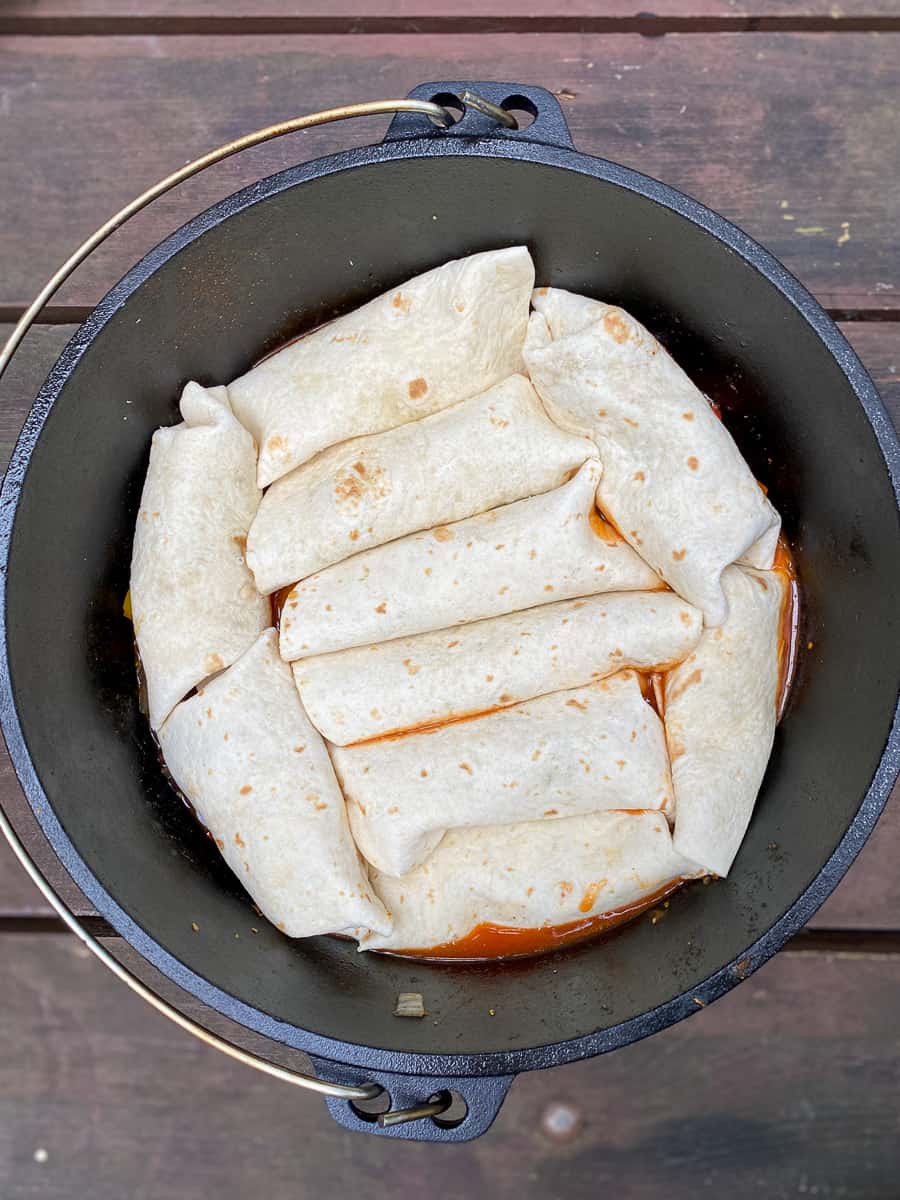
Getting campfire quesadillas exactly right is mostly about heat control and patience — two things that become easier with practice. Here’s everything I’ve learned from making these over open flames, camp stoves, and home stovetops:
Heat Is Everything
The single biggest mistake people make is using too high a flame. You want a medium heat — enough to crisp the tortilla without burning it before the cheese has time to melt. Over a campfire, let the initial flames die down to glowing coals before you cook. Over a camp stove or home burner, medium heat is your sweet spot. According to the grilling and heat management guidance from Serious Eats, controlling your heat source is the single most important skill in outdoor cooking — and campfire quesadillas are the perfect low-stakes recipe to practice it on.
Use a Cast Iron Skillet
A cast iron skillet is the ideal vessel for campfire quesadillas. It distributes heat evenly, holds temperature beautifully even when you lift it away from the flame, and imparts a subtle, smoky depth that you simply cannot replicate in a non-stick pan. If you’re camping, a well-seasoned cast iron is one of the most valuable pieces of kit you can bring. At home, it works just as well on your stovetop.
Butter the Outside
Spread a very thin layer of softened butter on the outside of each tortilla before it hits the pan. This is the professional trick that creates the deep golden color and crispy, almost flaky texture that makes these quesadillas so irresistible. A neutral oil like avocado oil or light olive oil works too if you’re dairy-free.
Don’t Overfill
It’s tempting to pile on the cheese, but restraint pays off here. A thin, even layer of freshly shredded cheese from edge to edge melts more evenly and stays inside the quesadilla when you flip it. Too much cheese and you’ll have a molten landslide situation on your hands — delicious in theory, chaotic in practice.
The Flip Technique
Use a wide, flat spatula and commit to the flip with confidence. Hesitation is your enemy. If you’re making a folded quesadilla (half-moon style), it’s even easier — just fold and press gently with your spatula to seal the cheese inside.
Variations to Explore
Once you’ve mastered the two-ingredient base, the variations are genuinely endless. For a protein boost, add leftover grilled chicken or skewered meat straight from the night before — the smoky char plays beautifully with melted cheese. Black beans and a pinch of cumin turn this into a satisfying plant-based meal with impressive staying power. Roasted red peppers, caramelized onions, or a handful of fresh spinach all melt in seamlessly. For a more indulgent moment, add a few slices of brie and a drizzle of honey for a sweet-savory campfire quesadilla that feels like a treat completely worth having. If you love the idea of simple, whole-food campfire cooking, you might also enjoy our Grilled Vegetable and Goat Cheese Tart — another stunning example of how minimal ingredients over live fire create something genuinely magical.
Serving Ideas
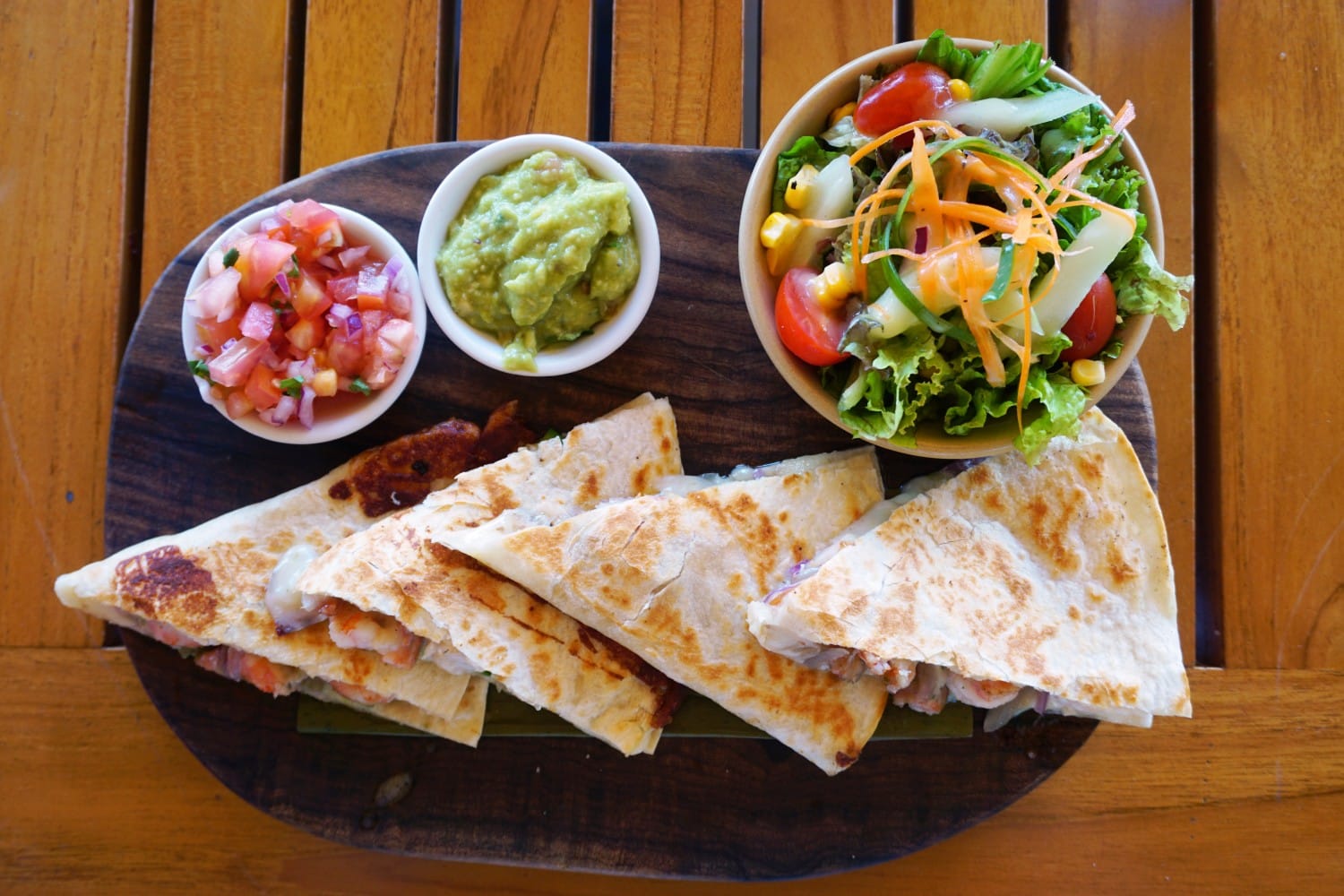
Campfire quesadillas are wonderful on their own, but a few simple accompaniments elevate them into a complete outdoor meal. Fresh pico de gallo, a scoop of guacamole, or a dollop of Greek yogurt in place of sour cream all work beautifully. If you’re planning a full camp menu, consider pairing these with a cooling, no-cook side — our Frozen Yogurt Covered Blueberries make for an incredible two-ingredient dessert that requires zero camp cooking at all.
Nutritional Highlights
Let’s talk about what’s actually in these campfire quesadillas from a nourishment perspective, because simple food deserves thoughtful consideration. When you choose a quality flour tortilla made from whole or unbleached flour and a good melting cheese like Monterey Jack or sharp cheddar, you’re getting a genuinely satisfying meal that delivers meaningful macronutrients. Cheese is one of the most bioavailable sources of calcium we have, supporting bone density and muscle function — and it provides a solid hit of protein and fat that keeps you full and energized, which is exactly what your body needs when you’re hiking, swimming, or spending a day outdoors. A single serving of two quesadilla wedges comes in at approximately 350–400 calories, with around 14 grams of protein and a satisfying fat profile that signals real fullness to your brain in a way that processed snacks never do. For Food Network’s healthy camping eating tips, simple, whole-ingredient meals like this are consistently highlighted as the smartest approach to outdoor nutrition. The key, as always, is quality over quantity — two or three of these made with real cheese and a good tortilla is a far better choice than six made with processed cheese food. Pair with fresh fruit, a handful of nuts, or a simple salad for a balanced, genuinely nourishing outdoor meal.
Frequently Asked Questions
Can I make campfire quesadillas without a skillet?
Yes, absolutely — though a skillet gives you the most control and the best results. If you don’t have a pan available, you can make campfire quesadillas directly on a well-cleaned camp grill grate set over your fire. Keep the heat moderate and watch them carefully, as grill grates cook faster and less evenly than a flat skillet surface. You can also wrap a quesadilla tightly in aluminum foil and place it directly on hot coals for a softer, steam-cooked version — the texture won’t be as crispy but it will still be deliciously melty. For the very best crispy result, though, a cast iron skillet or even a disposable aluminum skillet is worth the pack weight.
What’s the best cheese for campfire quesadillas?
Monterey Jack is the classic choice for a reason — it melts smoothly, has a mild flavor that lets the toasty tortilla shine, and stretches into those satisfying cheese pulls we all love. Sharp cheddar adds more flavor complexity and pairs especially well with any additions like black beans or jalapeño. A 50/50 blend of the two is genuinely the sweet spot. If you want to go more gourmet, Oaxacan cheese (quesillo) is the most traditional choice for authentic Mexican quesadillas and melts into silky, stringy perfection. Avoid pre-shredded cheese in bags when possible — the anti-caking coating prevents proper melting and results in a gummy texture rather than a smooth, flowing melt.
How do I keep campfire quesadillas warm while I make multiple batches?
This is the real challenge of cooking for a group outdoors. The best approach is to wrap finished quesadillas loosely in aluminum foil and set them near — but not directly over — your heat source to stay warm without continuing to cook. A small cooler with the lid cracked slightly also works surprisingly well as a warming box for short periods. You can also slice the finished quesadillas into wedges immediately and serve them as you go, letting people snack while the next batch cooks — this is honestly the most fun way to do it around a campfire anyway, with everyone gathered close and reaching in.
Share the Campfire Love
Campfire quesadillas are proof that the most nourishing meals don’t have to be complicated. Two ingredients, one skillet, ten minutes, and you have something that genuinely brings people together — which is, at the end of the day, what the best food has always done. Whether you’re making these at an actual campsite under a sky full of stars, or you’re bringing the campfire spirit to your backyard or stovetop on a weeknight, I hope this recipe gives you that same feeling of simple, joyful abundance that I discovered in the Blue Ridge Mountains on that unplanned second night.
If you make these, I’d absolutely love to see them. Tag @EatingHappiness on Instagram and show me your setup — your fire, your skillet, your cheese pull. Save this recipe for your next camping trip, share it with someone who needs a no-fuss outdoor meal idea, and let me know in the comments what you added to yours. The two-ingredient version is perfect. Everything else is just a delicious bonus.
Find the complete recipe card below ↓
Campfire Quesadillas
Ingredients
- 4 flour tortillas 8-inch or 10-inch, fresh if possible
- 2 cups Monterey Jack cheese freshly shredded from a block, about 8 oz — or substitute sharp cheddar or a 50/50 blend
- 2 tablespoons unsalted butter softened, for brushing the outside of the tortillas — or use neutral oil

Instructions
- Set up your heat source: If cooking over a campfire, let the initial flames die down to steady glowing coals for even, controllable heat. If using a camp stove or home stovetop, set to medium heat. Place a cast iron skillet over the heat and let it warm for 1–2 minutes.
- Prepare your tortillas: Lightly brush one side of each flour tortilla with softened butter. This creates the golden, crispy crust. Place a tortilla butter-side down in the warm skillet.
- Add the cheese: Sprinkle a generous, even layer of freshly shredded cheese across the entire surface of the tortilla in the pan, leaving a small border around the edge. Don't overfill — a thin, even layer melts best.
- Top and cook: Place a second tortilla on top, butter-side facing up. Cook undisturbed for 2–3 minutes until the bottom is golden brown and the cheese begins to melt. You can peek at the underside by lifting the edge gently with a spatula.
- Flip with confidence: Slide a wide, flat spatula under the quesadilla and flip it in one smooth, decisive motion. Cook the second side for another 2 minutes until equally golden and the cheese is completely melted and gooey.
- Slice and serve: Transfer to a cutting board. Let it rest for 30 seconds, then cut into wedges with a sharp knife or pizza cutter. Serve immediately with salsa, guacamole, or Greek yogurt. Repeat with remaining tortillas and cheese.