

There’s something profoundly healing about a bowl of buttered pastina. This tiny, star-shaped pasta might look unassuming, but it carries the weight of generations of Italian comfort food wisdom. When I first encountered buttered pastina during a particularly stressful week, I was skeptical that something so simple could deliver the soul-warming satisfaction I craved. But one spoonful of those tender, butter-kissed pasta stars swimming in rich, golden broth changed everything.
What makes buttered pastina so special isn’t just its incredible simplicity—it’s how this humble dish manages to be both indulgent and surprisingly nutritious. Unlike heavy cream-based pasta dishes that leave you feeling sluggish, buttered pastina provides clean, sustained energy while delivering that deep comfort food satisfaction we all need sometimes. It’s the kind of recipe that belongs in your wellness toolkit, right alongside more complex dishes like Japanese beef curry or hearty beef stew.
This buttered pastina recipe proves that the most nourishing meals don’t always require a long ingredient list or complex techniques. Sometimes, the path to eating happiness is as simple as perfectly cooked tiny pasta, quality butter, and the kind of mindful preparation that turns cooking into a meditative practice.
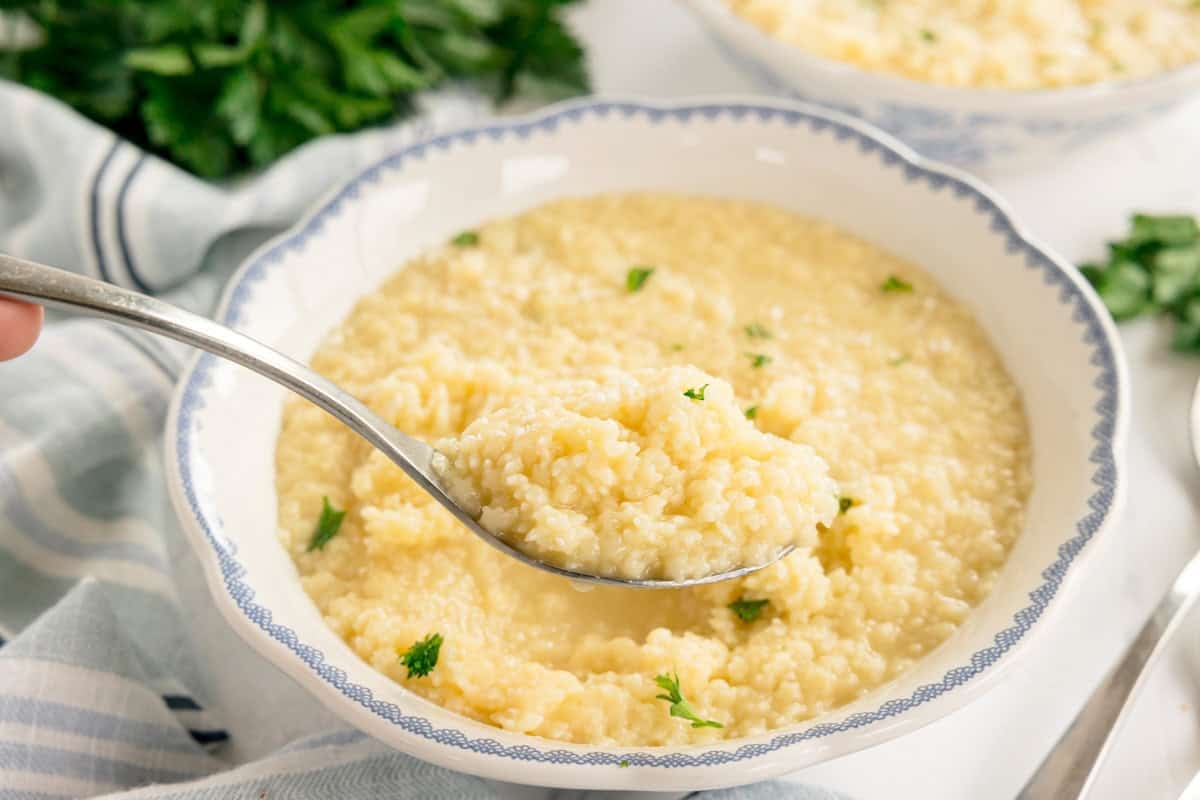
Why You’ll Love This Buttered Pastina Recipe
This buttered pastina delivers everything you want from comfort food without the guilt. The recipe creates a creamy, risotto-like texture using just pasta cooking liquid and butter—no heavy cream required. Each spoonful provides sustained energy from complex carbohydrates while the high-quality fats from grass-fed butter support nutrient absorption and satiety.
The beauty of buttered pastina lies in its versatility as both a healing food and a satisfying meal. When you’re feeling under the weather, it’s gentle enough for sensitive stomachs yet substantial enough to provide real nourishment. For busy weeknights, it comes together in under 20 minutes using pantry staples you likely already have on hand.
Unlike many pasta dishes that spike blood sugar and crash energy levels, this buttered pastina maintains steady glucose thanks to the protein from Parmesan cheese and the fat content from quality butter. It’s comfort food that actually makes you feel good, both during and after eating.
Key Ingredients That Make the Difference
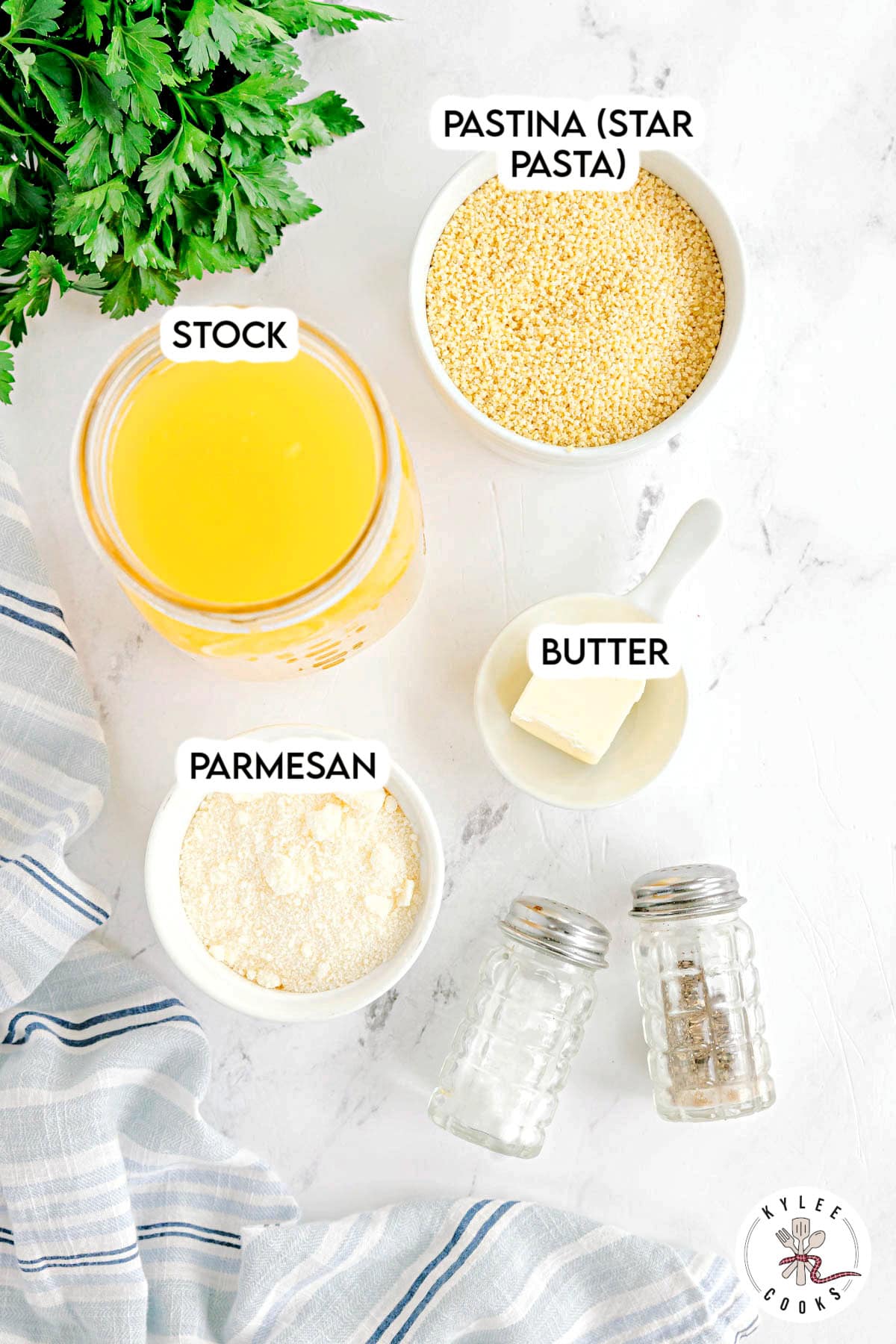
The magic of exceptional buttered pastina starts with choosing the right pastina pasta—those tiny, star-shaped pieces that cook quickly and absorb flavors beautifully. Quality pastina made from durum wheat provides better texture and more complex flavor than mass-produced alternatives. The small size isn’t just charming; it creates more surface area for the butter and cheese to cling to each piece. High-quality chicken or vegetable broth forms the foundation of flavor, providing essential minerals and electrolytes that make this dish surprisingly hydrating. European-style butter with higher fat content creates that signature creamy richness without any dairy sensitivity issues that cream might cause. Authentic Parmigiano-Reggiano adds not just flavor complexity but also provides complete proteins and calcium. Finally, finishing with a touch of good olive oil brings healthy monounsaturated fats and rounds out the flavor profile with a subtle fruity note that elevates the entire dish.
Pro Tips & Variations
The secret to perfect buttered pastina texture lies in the pasta-to-liquid ratio and timing. Cook your pastina in slightly less broth than package directions suggest—you want it al dente since it will continue cooking as you stir in the butter and cheese. Reserve extra hot broth on the side to adjust consistency as needed, just like making risotto.
Temperature control is crucial when adding butter and cheese. Remove the pot from heat before stirring in butter to prevent it from breaking and becoming greasy. Add Parmesan gradually while stirring constantly, allowing each addition to melt completely before adding more. This creates a silky, emulsified sauce rather than clumpy cheese bits.
For variations that boost nutritional value, try stirring in finely chopped fresh herbs like parsley, chives, or basil just before serving. A handful of baby spinach wilted into the hot pasta adds iron and vitamins without changing the comforting character. For protein, consider adding leftover rotisserie chicken, soft-scrambled eggs, or even a poached egg on top for a breakfast version.
Make this dish more substantial by incorporating seasonal vegetables. Frozen peas stirred in during the last minute of cooking add sweetness and fiber. Roasted cherry tomatoes provide antioxidant lycopene and acidic brightness that balances the richness. For deeper flavor, sauté minced garlic in olive oil before adding the broth and pastina.
Storage tip: Buttered pastina is best enjoyed fresh, but leftovers keep in the refrigerator for up to three days. Reheat gently with additional broth or water, stirring frequently to restore the creamy texture. The pasta will absorb liquid as it sits, so expect to add moisture when reheating.
Nutritional Highlights
Despite its indulgent taste, buttered pastina offers impressive nutritional benefits when made with quality ingredients. The pastina provides complex carbohydrates for sustained energy release, while the combination of butter and Parmesan delivers healthy fats and complete proteins essential for satiety and nutrient absorption. This dish contains significant amounts of calcium from the cheese and butter, supporting bone health and muscle function. The B vitamins present in both the pasta and cheese contribute to energy metabolism and nervous system health. When made with grass-fed butter, you’ll also get beneficial omega-3 fatty acids and fat-soluble vitamins A, D, E, and K. At approximately 285 calories per serving, it’s a reasonable indulgence that provides substantial nutrition rather than empty calories. The moderate sodium content from the broth and cheese helps with electrolyte balance, making this an excellent recovery food after illness or intense physical activity.
Frequently Asked Questions
Can I make buttered pastina ahead of time?
While buttered pastina is best served immediately for optimal texture, you can prepare components ahead of time. Cook the pastina slightly underdone and store it separately from the broth. When ready to serve, reheat the broth, add the pastina, and finish with butter and cheese. The pasta will absorb liquid as it sits, so always reserve extra warm broth for reheating. For meal prep, store cooked pastina and broth separately in the refrigerator for up to 3 days, then combine and reheat gently on the stovetop.
What can I substitute for Parmesan cheese?
Pecorino Romano makes an excellent substitute for Parmesan, offering a slightly sharper, saltier flavor that works beautifully with butter. Grana Padano provides similar nutty complexity with a milder taste. For those avoiding dairy, nutritional yeast creates a savory, cheese-like flavor while adding B vitamins. Aged Asiago or even a good-quality sharp cheddar can work in a pinch, though they’ll create different flavor profiles. Always use freshly grated cheese rather than pre-grated for better melting and flavor.
How do I prevent the butter from separating?
The key to silky, emulsified buttered pastina is temperature control and technique. Remove the pot from heat before adding butter, and add it gradually while stirring constantly. The residual heat will melt the butter gently without causing it to break. If the mixture looks greasy or separated, add a splash of hot pasta cooking liquid and stir vigorously—the starch will help re-emulsify the sauce. Using European-style butter with higher fat content also helps create a more stable emulsion.
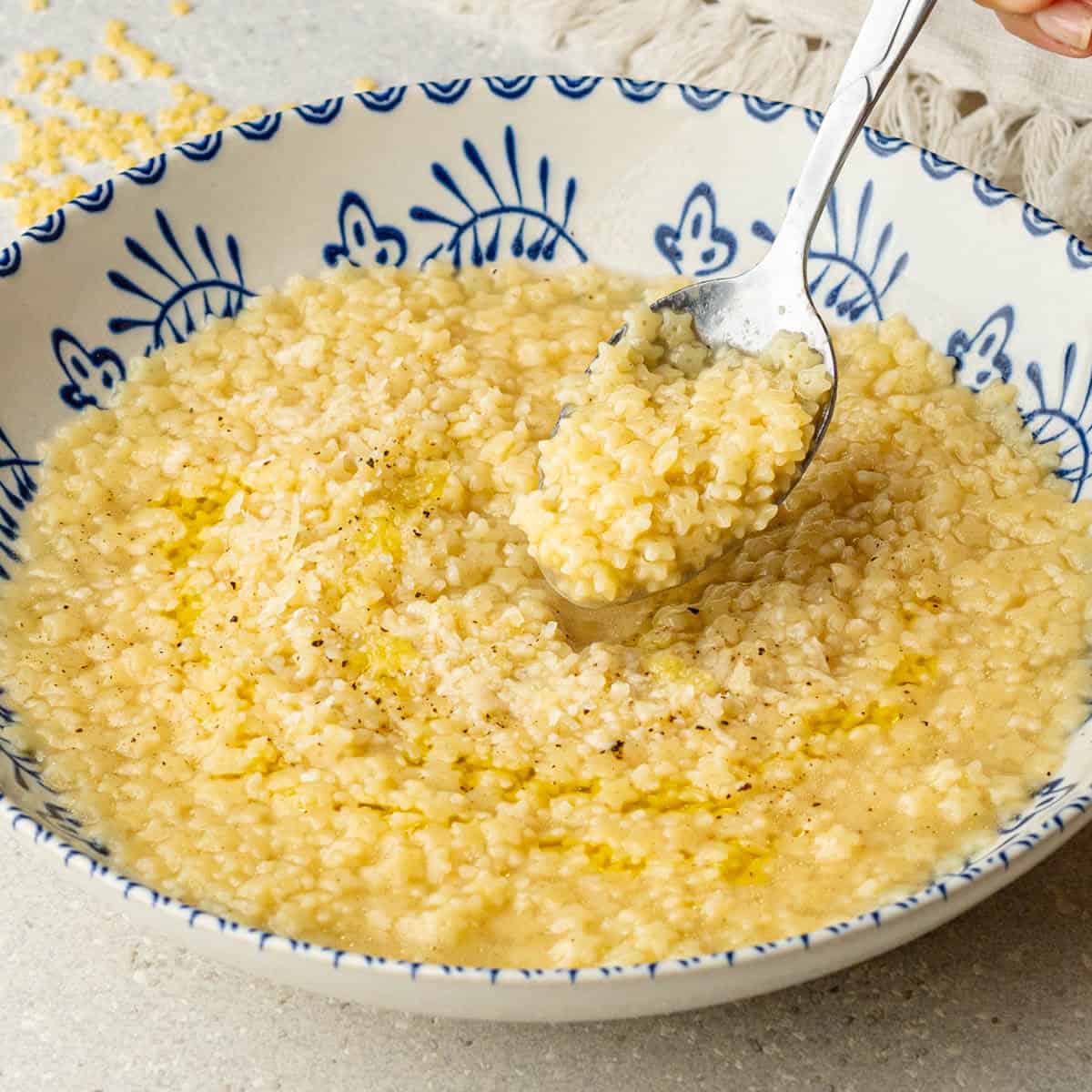
A Bowl of Pure Comfort
This buttered pastina recipe proves that the most satisfying comfort foods often come from the simplest ingredients prepared with care and attention. Whether you’re seeking a gentle meal during recovery, a quick weeknight dinner, or just a moment of culinary peace, this dish delivers nourishment for both body and soul. The creamy, butter-rich pasta provides exactly the kind of indulgence that makes healthy eating sustainable—it’s a reminder that wellness includes room for pure, simple pleasure.
I encourage you to make this recipe your own by experimenting with the variations that appeal to you most. Share your creations on social media and tag us—we love seeing how our community puts their own spin on classic comfort food recipes. Don’t forget to save this recipe for those moments when you need something both nourishing and deeply satisfying.
Find the complete recipe card below ↓
Buttered Pastina
Ingredients
- 1 cup pastina pasta or other tiny pasta like stelline
- 3 cups chicken broth low-sodium, plus extra for serving
- 3 tablespoons unsalted butter European-style preferred
- 1/2 cup Parmesan cheese freshly grated
- 1 tablespoon extra virgin olive oil
- 1/4 teaspoon black pepper freshly ground
- 2 tablespoons fresh parsley chopped, for garnish
- Salt (to taste)

Instructions
- In a medium saucepan, bring 3 cups of chicken broth to a gentle boil over medium-high heat. Keep additional broth warm in a separate small pot for adjusting consistency.
- Add the pastina to the boiling broth and stir immediately to prevent sticking. Cook for 2-3 minutes less than package directions suggest, stirring frequently. The pasta should be almost al dente as it will continue cooking.
- When pastina is tender but still has slight bite, remove the pot from heat. The mixture should be soupy - if it looks too thick, add more warm broth gradually.
- Add butter one tablespoon at a time, stirring constantly until each piece is completely melted and incorporated. The mixture should become creamy and glossy.
- Add half the Parmesan cheese and stir gently until melted. Add remaining cheese gradually, stirring constantly to create a smooth, creamy texture.
- Drizzle with olive oil and season with freshly ground black pepper. Taste and adjust seasoning with salt if needed (the broth and cheese provide most of the salt).
- Serve immediately in warmed bowls, garnished with fresh parsley and additional Parmesan if desired. Pass extra warm broth at the table for those who prefer a soupier consistency.