

The Little Cheese Puff That Stole My Heart in São Paulo
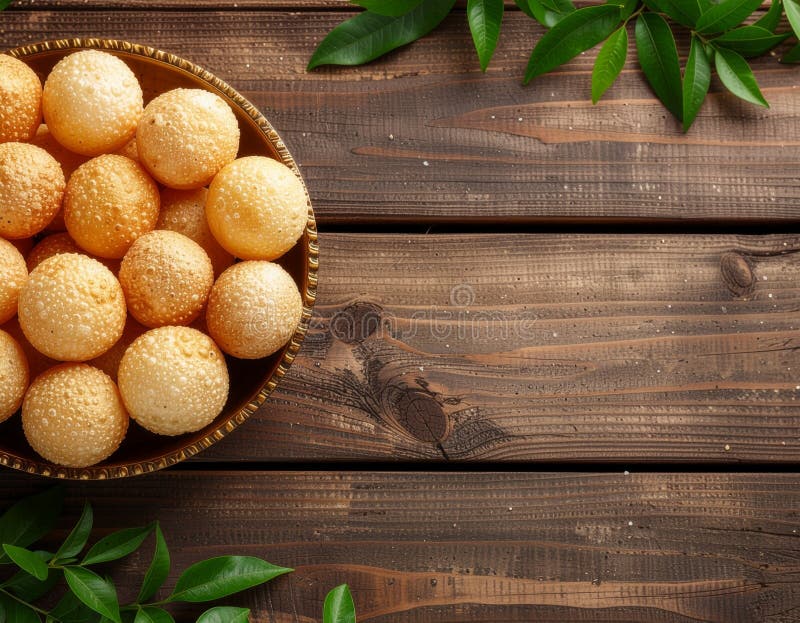
There are some foods that stop you mid-bite and make you wonder how you ever lived without them. Brazilian Pão de Queijo was exactly that for me. I first encountered these golden, pillowy cheese puffs at a tiny padaria — a Brazilian bakery — tucked into a side street in São Paulo, and I remember thinking: how is something this simple so impossibly good? The outside crackles gently when you press it, the inside is soft, stretchy, and almost custardy, and the whole thing carries this deeply savory, slightly tangy cheese flavor that lingers in the best possible way. I bought six of them. I ate all six before I made it back to my hotel.
What makes Pão de Queijo so special — and so perfectly aligned with the way we eat here at Eating Happiness — is that it is naturally gluten-free. Not as a workaround, not as a compromise, but as a fundamental part of what it is. Made with tapioca starch instead of wheat flour, these little rolls have been a staple of Brazilian home kitchens for centuries, long before gluten-free was a wellness trend. They are made with just a handful of clean, real-food ingredients, and they come together in under an hour. This is the kind of indulgent snack that actually holds up to scrutiny — and that is a rare and beautiful thing.
Whether you are hosting a weekend brunch, looking for an afternoon snack that satisfies without weighing you down, or simply craving something warm and cheesy from the oven, Pão de Queijo delivers every single time. This recipe is approachable for beginner bakers, endlessly adaptable, and genuinely hard to stop eating. Let’s get into it.
Why You’ll Love This Recipe
- Naturally gluten-free — tapioca starch is the star, making these perfect for those avoiding gluten without any compromise in texture or flavor.
- Simple, clean ingredients — no additives, no mystery — just tapioca starch, eggs, oil, milk, salt, and cheese.
- Ready in 45 minutes — including prep, these come together faster than most bread recipes by a significant margin.
- Irresistibly chewy texture — the combination of tapioca starch and cheese creates a uniquely stretchy, satisfying crumb that you simply cannot replicate with wheat flour.
- Freezer-friendly — make a big batch, freeze the unbaked balls, and pull them out whenever a craving hits.
- Crowd-pleasing — kids, adults, gluten-free friends, cheese lovers — everyone devours these without a second thought.
Key Ingredients
The magic of Brazilian Pão de Queijo lives entirely in its short, honest ingredient list, and understanding what each element does will make you a more confident baker. Tapioca starch — sometimes labeled tapioca flour — is the absolute foundation of this recipe and the reason these rolls have their signature chew. Derived from the cassava root, it is completely grain-free and creates a texture that is unlike anything wheat flour can produce: springy, slightly elastic, and wonderfully light. Do not try to substitute all-purpose flour here; it simply will not work the same way.
Whole milk brings richness and helps hydrate the starch to form the dough. Using full-fat milk rather than a lower-fat alternative gives you a more tender, flavorful result. Alongside the milk, a neutral oil or melted butter adds fat that keeps the rolls moist inside while helping the outside develop that characteristic thin, crisp shell. Some traditional recipes call for lard, which is worth trying if you want the most authentic version. Eggs are essential for structure and that custardy interior — they bind everything together and give the rolls their slight puff in the oven. And then there is the cheese: Parmesan and mozzarella together are the closest widely available combination to the traditional queijo minas used in Brazil. Parmesan delivers sharpness and umami depth, while mozzarella provides the stretchy, melty pull that makes every bite feel luxurious. A generous pinch of fine sea salt ties it all together and amplifies the cheese flavor beautifully.
Pro Tips & Variations
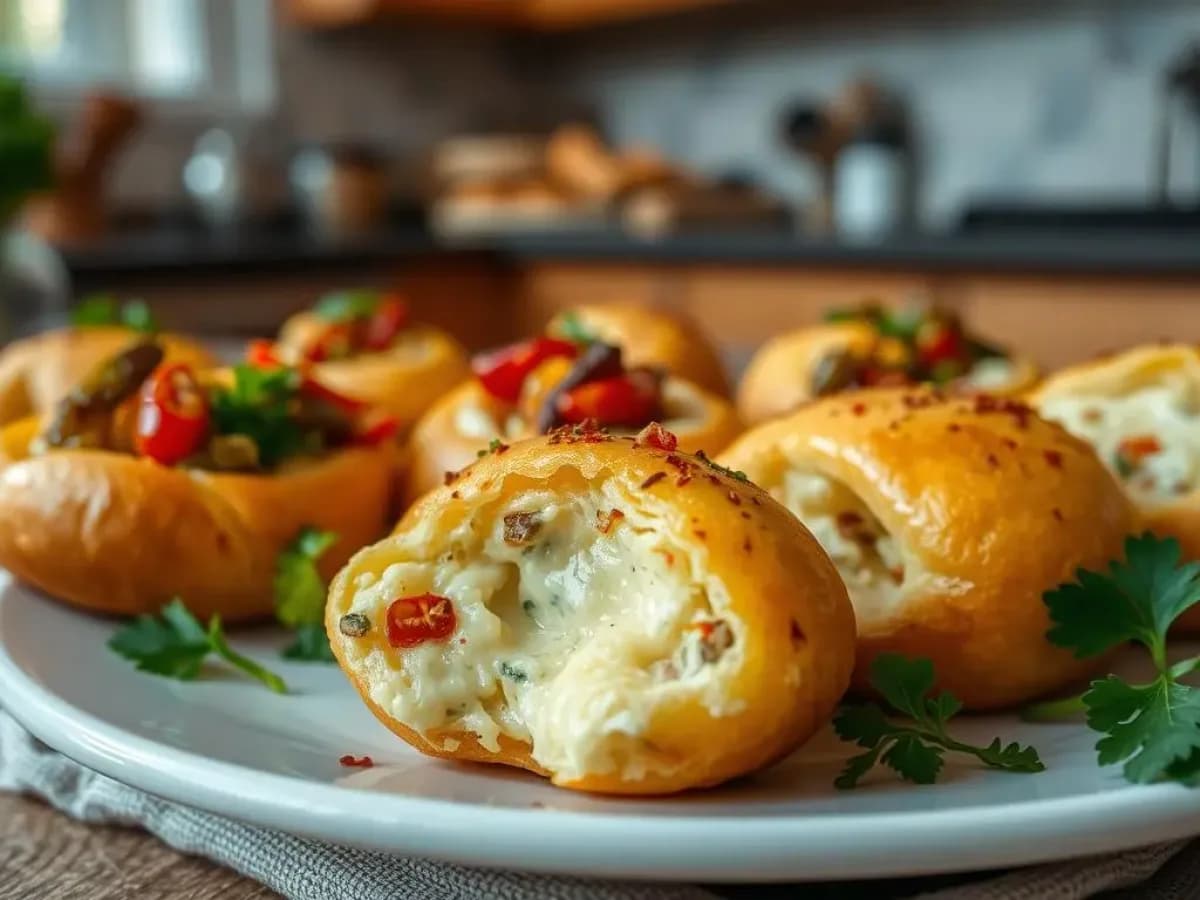
- Use a blender for the easiest dough. Many Brazilian home cooks blend all the ingredients together rather than mixing by hand or with a stand mixer. Simply add everything to a blender, blend until smooth, and pour directly into a greased mini muffin tin. The batter will be pourable and loose — that is completely normal and exactly right.
- Do not skip the rest period. If you have time, letting the batter rest for 10 minutes before baking allows the tapioca starch to fully hydrate and results in a slightly better texture.
- Go generous with the cheese. This is not a place to skimp. The cheese is the entire flavor profile of this bread, so measure it properly and do not reduce it.
- Try authentic queijo minas. If you have access to a Latin grocery store, look for queijo minas — it is a mild, slightly tangy fresh cheese that is the traditional choice. You can also use queso fresco as a closer approximation than mozzarella. Serious Eats has a fantastic breakdown of cooking cheeses that can help you navigate your options.
- Freeze for later. Portion the batter into a greased mini muffin tin, freeze until solid, then pop the frozen rounds out and store in a zip bag. Bake from frozen at 375°F, adding 5 extra minutes to the bake time. This is an absolute game-changer for weekday snacking.
- Add herbs or spices. A pinch of smoked paprika, a little garlic powder, or fresh chopped rosemary stirred into the batter adds a wonderful dimension without straying too far from the original. Rosemary and Parmesan together are particularly magical.
- Make them larger. While mini muffin tins produce the classic golf ball size, you can use a standard muffin tin for larger rolls — just increase the bake time by 8 to 10 minutes and watch for deep golden color on top.
- Serve immediately for peak texture. Pão de Queijo is at its absolute best straight from the oven, when the outside is crisp and the inside is molten and stretchy. They do soften as they cool, though a quick 5-minute reheat in a 350°F oven brings them right back.
If you love exploring global comfort food recipes that are rooted in real tradition, you might also enjoy our Peruvian Lomo Saltado — another Latin American recipe that is as nourishing as it is deeply satisfying. And if you are building a global recipe repertoire, our Palak Paneer is another beautiful example of how traditional recipes from around the world are often naturally wholesome and built on clean, honest ingredients.
Nutritional Highlights
Brazilian Pão de Queijo earns its place in a health-conscious kitchen for several genuinely good reasons. Because it is made entirely with tapioca starch rather than wheat flour, it is completely gluten-free — not just low-gluten, but entirely grain-free in its traditional form, which makes it a meaningful option for those managing celiac disease, gluten sensitivity, or simply choosing to reduce their grain intake. Tapioca starch is also relatively easy to digest compared to many grain-based flours, which is one reason these rolls are so popular across all demographics in Brazil. The eggs contribute high-quality complete protein and a range of essential vitamins including B12 and choline, which supports brain health. The cheese provides calcium, phosphorus, and a satisfying hit of fat that keeps you full and actually helps your body absorb fat-soluble vitamins. At roughly 130 to 150 calories for two rolls, these are a genuinely reasonable indulgence — especially when compared to most commercial baked goods. Bon Appétit has a wonderful guide to gluten-free baking that puts ingredients like tapioca starch in helpful context if you want to deepen your understanding of how these flours behave differently from wheat. This is the kind of treat you can feel genuinely good about — warm, satisfying, made with real food, and utterly delicious.
Frequently Asked Questions
Can I make Brazilian Pão de Queijo ahead of time?
Absolutely, and this is actually one of the recipe’s greatest strengths. The best approach is to prepare the batter, portion it into a greased mini muffin tin, and freeze the individual portions until solid — usually about 2 hours. Once frozen, transfer them to a zip-lock bag or airtight freezer container and store for up to 3 months. When you are ready to bake, place the frozen portions directly back in the muffin tin and bake at 375°F for about 25 to 28 minutes, adding 5 to 7 minutes to the standard bake time. The results are essentially identical to baking fresh. You can also bake them fully, cool completely, and store in an airtight container at room temperature for up to 2 days, then reheat in a 350°F oven for 5 minutes to restore the crisp exterior.
What is tapioca starch and where can I find it?
Tapioca starch — sometimes labeled tapioca flour — is a fine white powder made from the starchy root of the cassava plant, which is native to South America and widely cultivated across tropical regions. It has a very neutral flavor on its own, but its unique molecular structure is what gives Pão de Queijo its signature stretchy, chewy texture. You can find tapioca starch at most large grocery stores in the baking or natural foods aisle, at any Latin American or Asian grocery store, and easily online. It is very affordable and keeps well in a sealed container in a cool, dry pantry for up to a year. Do not substitute cornstarch or arrowroot in equal amounts — the texture will be noticeably different, though a 50/50 blend of cornstarch and arrowroot can work in a pinch.
My Pão de Queijo came out flat — what went wrong?
A few things can cause flat or dense results. First, make sure your oven is fully preheated before the rolls go in — tapioca-based batters need immediate high heat to puff properly. Second, check that your eggs are at room temperature; cold eggs added to warm liquid can cause the batter to seize or prevent proper emulsification. Third, if you are using a blender method, avoid over-blending once the eggs are added, as too much air can actually destabilize the structure. Finally, make sure you are using tapioca starch and not a blend or a substitute — the specific starch structure is essential for the characteristic puff. If your rolls are hollow inside, that is actually completely normal and traditional; a slight hollow center is part of the authentic texture.
Bring a Little Brazil Into Your Kitchen
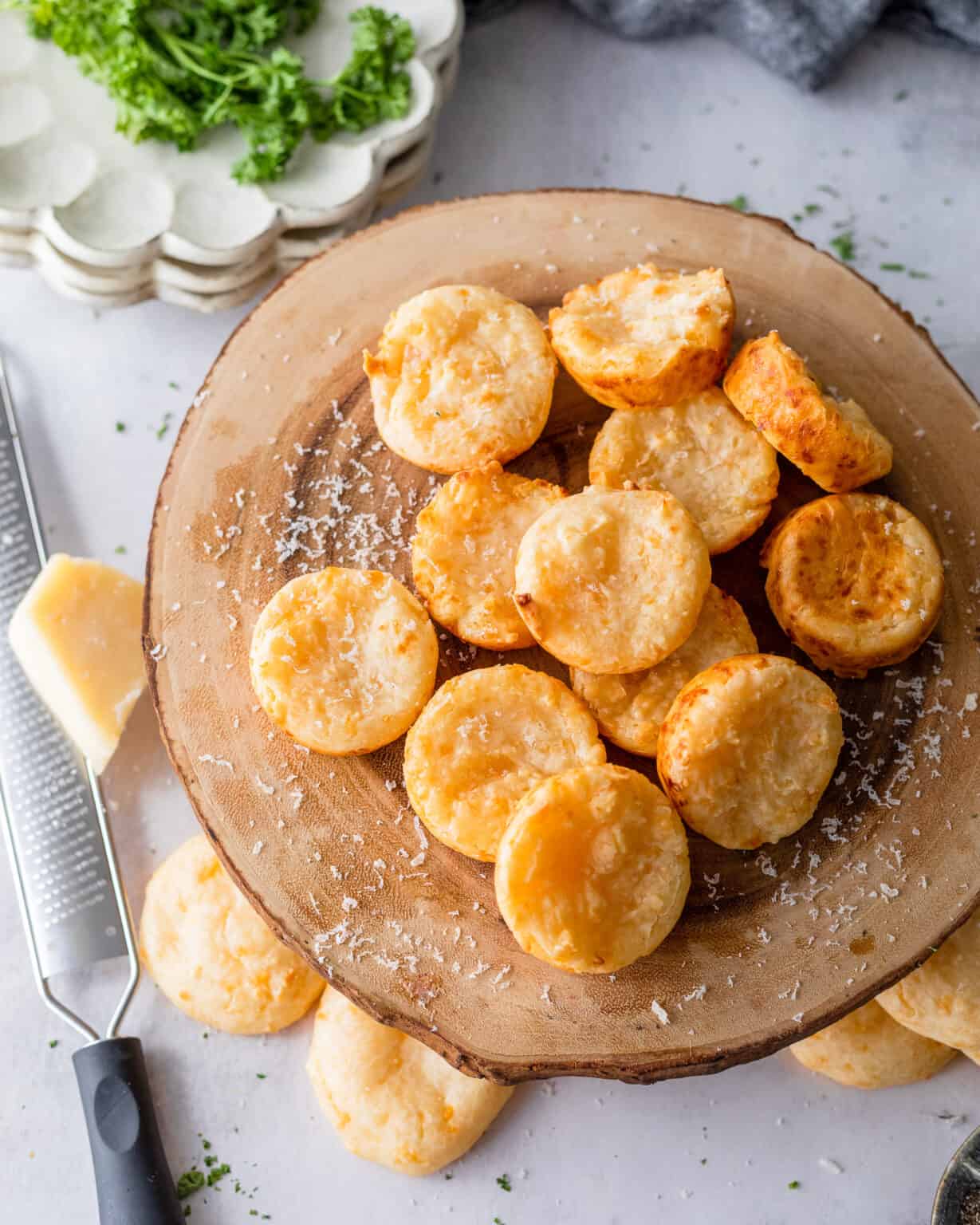
Brazilian Pão de Queijo is one of those recipes that genuinely earns a permanent spot in your rotation. It is fast, it is made from real ingredients, it is naturally gluten-free, and it produces results that feel far more impressive than the effort involved. These little cheese puffs are the kind of thing that makes guests lean over and ask, slightly suspiciously, “did you actually make these?” — and you get to say yes, with total confidence. Whether you serve them alongside a warming soup, as part of a weekend brunch spread, or simply pull them out of the oven at 3pm because you need something warm and cheesy and wonderful, they will not disappoint.
If you love discovering global recipes that celebrate clean ingredients and authentic tradition, we have plenty more to explore together here at Eating Happiness. Our Cuban Ropa Vieja is another Latin American classic that proves traditional cooking and nourishing eating are not mutually exclusive — it is rich, deeply flavored, and built on simple, wholesome ingredients.
If you make this Brazilian Pão de Queijo, I would love to hear how it went! Leave a comment below, rate the recipe, and share your photos on Instagram — tag us so we can see your beautiful cheesy creations. Save this post to Pinterest so you can find it again, and share it with anyone in your life who needs more warm cheese bread in their world (which is everyone).
Find the complete recipe card below ↓
Brazilian Pão de Queijo
Authentic Brazilian Pão de Queijo — naturally gluten-free cheese puffs with a crisp golden shell and irresistibly chewy, custardy interior. Ready in 45 minutes with just a handful of clean, simple ingredients.
Ingredients
- 2 cups tapioca starch (also labeled tapioca flour, do not substitute)
- 1 cup whole milk (full-fat preferred)
- 1/3 cup neutral oil (such as avocado or light olive oil; or use melted butter for richer flavor)
- 2 large eggs (room temperature)
- 1 cup finely grated Parmesan cheese (freshly grated for best melt and flavor)
- 1/2 cup shredded low-moisture mozzarella (or queijo minas if available)
- 1 tsp fine sea salt (adjust to taste)
Instructions
- Preheat your oven to 400°F (200°C). Grease a 24-cup mini muffin tin thoroughly with oil or cooking spray and set aside.
- In a small saucepan over medium heat, combine the milk and oil. Heat until the mixture just begins to simmer and steam rises — do not boil. Remove from heat immediately.
- Add the tapioca starch and salt to the bowl of a stand mixer fitted with the paddle attachment (or a large mixing bowl if mixing by hand). Pour in the hot milk-oil mixture and mix on low speed, or stir vigorously, until the starch is fully moistened and a shaggy, slightly sticky dough forms. Allow to cool for 5 minutes.
- Once the dough has cooled slightly and is no longer steaming, add the eggs one at a time, mixing well after each addition. The dough will look broken or slippery at first — keep mixing and it will come together into a smooth, sticky, slightly elastic dough.
- Add the Parmesan and mozzarella and mix until fully incorporated throughout the dough.
- Using a small cookie scoop or two spoons, portion the dough into the prepared mini muffin cups, filling each about three-quarters full. The dough will be sticky — lightly dampening your fingers or the scoop with water helps.
- Bake in the preheated oven for 20 to 25 minutes, until the rolls are puffed, deeply golden on top, and pulling away slightly from the edges of the tin.
- Remove from the oven and allow to cool in the tin for 3 minutes, then transfer to a wire rack or serve immediately. Pão de Queijo is best eaten warm from the oven.
