
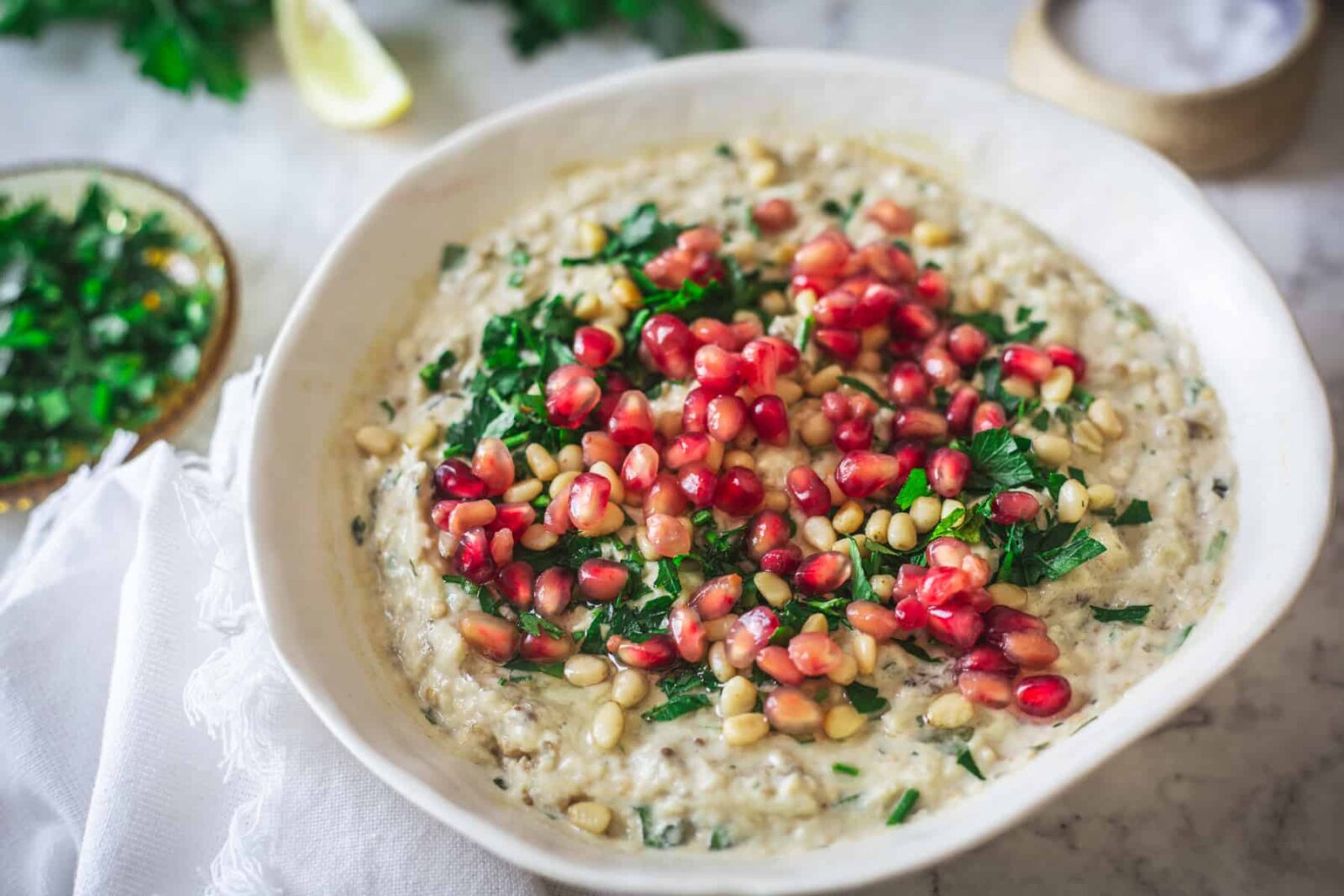
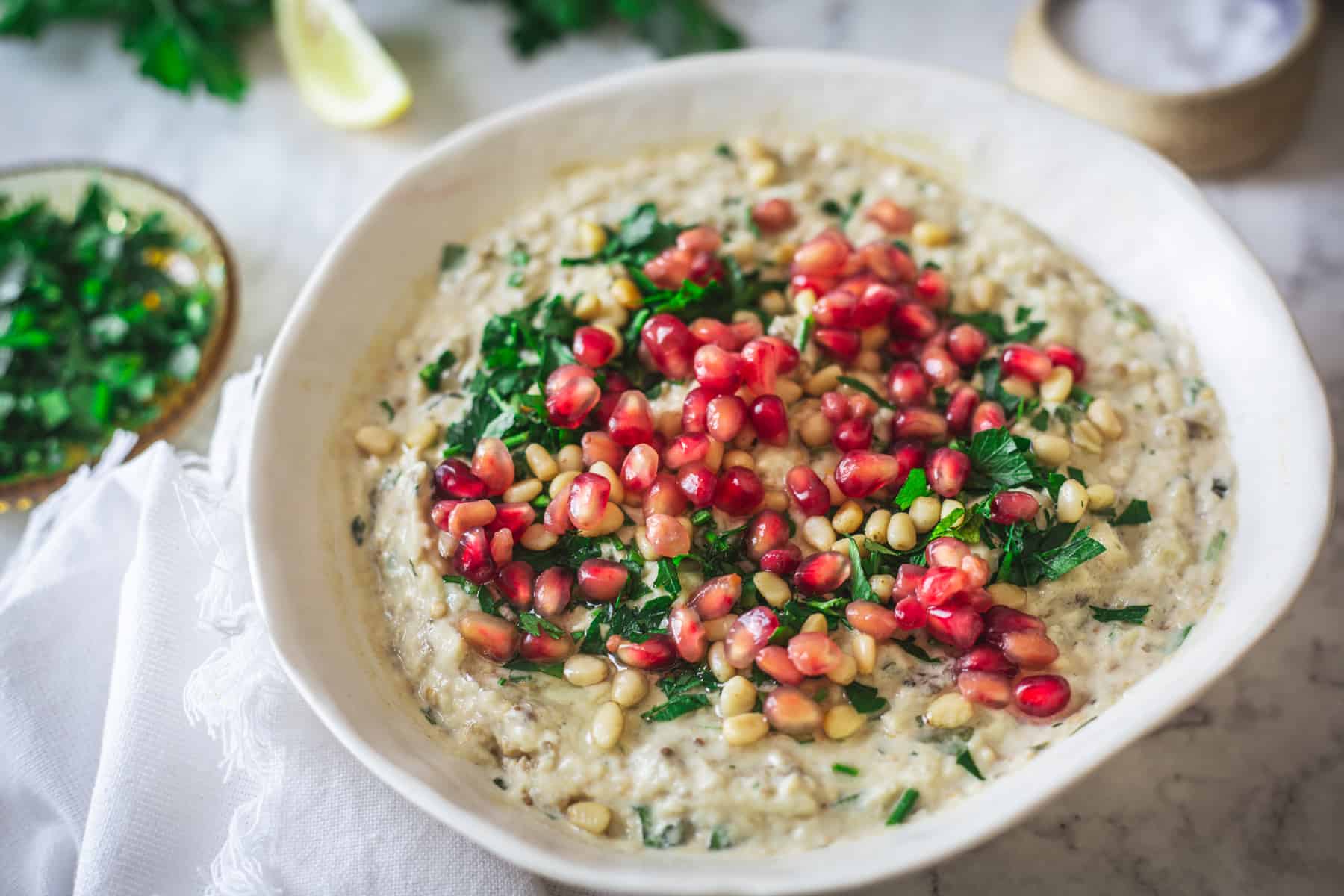
There is something almost magical about what happens when an eggplant meets open flame. The skin blisters and chars, the interior collapses into silky, smoke-kissed tenderness, and something completely humble transforms into one of the most craveable dips in the entire world. Baba Ganoush has been a staple of Middle Eastern kitchens for centuries, and once you understand why, you will never look at a plain eggplant the same way again. This is food that is deeply nourishing, wildly flavorful, and refreshingly uncomplicated — the kind of recipe that reminds you that eating well does not have to mean sacrificing joy.
At Eating Happiness, we are always on the lookout for recipes that check every box: real, clean ingredients you can feel good about, preparation that does not require a culinary degree, and results that genuinely excite you at the table. Baba Ganoush does all of that and then some. It is naturally plant-based, loaded with fiber and healthy fats, and made from a handful of pantry staples that work together in the most extraordinary way. Whether you are spooning it onto a mezze platter, spreading it inside a warm pita, or serving it alongside fresh vegetables for a weeknight snack, this dip fits beautifully into a balanced, wellness-forward lifestyle.
What makes this particular recipe stand out is the commitment to the char. So many homemade versions skip the open-flame step and go straight for the oven, which produces a fine result — but not the result. True Baba Ganoush carries a deep, earthy smokiness that you simply cannot fake, and we are going to show you exactly how to get there, whether you have a gas burner, a broiler, or an outdoor grill. Get ready to make the dip that everyone will ask you about.
Why You’ll Love This Recipe
- Deeply smoky and complex — charring the eggplant directly over flame creates a flavor depth that store-bought versions simply cannot replicate.
- Genuinely wholesome — eggplant, tahini, lemon, garlic, and olive oil. That is it. Every single ingredient pulls its nutritional weight.
- Naturally vegan and gluten-free — no adaptations needed. This recipe is already inclusive for a wide range of dietary needs.
- Ready in under an hour — most of that is hands-off charring time, so you can prep everything else while the eggplant does its thing.
- Endlessly versatile — serve it as a dip, a spread, a sauce for grilled proteins, or a base for a beautiful grain bowl.
- Scales up effortlessly — hosting a crowd? Double the batch and let the platter be the star of your table.
Key Ingredients
The foundation of any great Baba Ganoush is the eggplant, and here quality and technique matter equally. Globe eggplants are the traditional choice — they are large, meaty, and hold up beautifully to high heat. The charring process is not just for show; it fundamentally changes the eggplant’s cellular structure, driving out excess moisture and replacing it with that unmistakable smoky flavor that defines this dish. Next up is tahini, the deeply nutty sesame seed paste that gives Baba Ganoush its luxurious, creamy body. Good tahini should smell toasty and rich, not bitter — look for brands made from hulled sesame seeds for the smoothest result. Serious Eats has a fantastic breakdown of how to choose and use quality tahini that is well worth reading before you shop. Fresh lemon juice is non-negotiable here — it brightens every other flavor in the bowl and cuts through the richness of the tahini and olive oil with clean, sharp acidity. Bottled juice simply does not perform the same way. Raw garlic adds a pungent, aromatic punch that mellows beautifully when blended into the warm eggplant flesh — if you prefer a gentler garlic note, you can roast a whole head alongside the eggplant and squeeze the soft cloves in instead. Finally, a generous pour of extra-virgin olive oil at the end is both a flavor and a textural decision — it creates that gorgeous, glossy swirl on top and delivers a dose of heart-healthy monounsaturated fat in every serving. A finishing pinch of smoked paprika is optional but highly recommended; it amplifies the char flavor and adds a beautiful blush of color to the finished dip.
Pro Tips & Variations
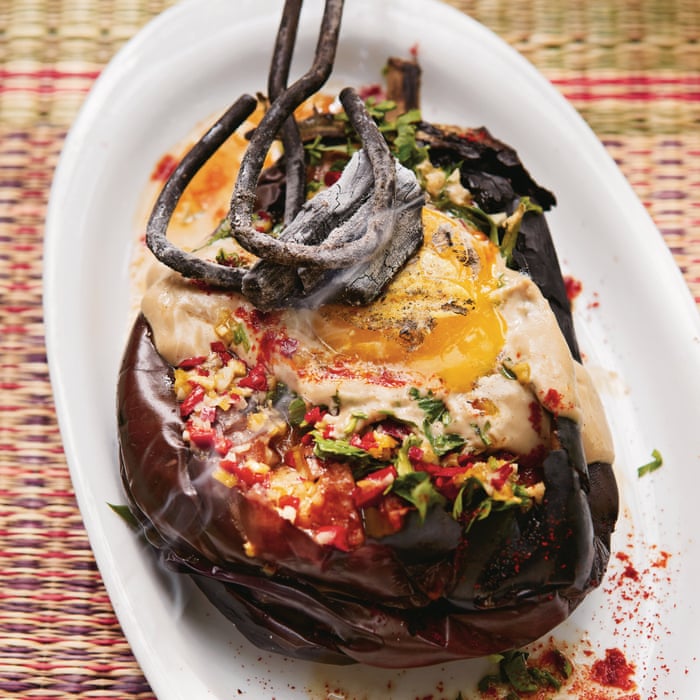
Char directly over the flame. If you have a gas stove, place the whole eggplant directly on the grate over a medium-high flame. Turn it every 4 to 5 minutes using tongs until the skin is completely blackened and the eggplant feels very soft when pressed — about 15 to 20 minutes total. This is the single most important step for authentic smoky flavor. If you are using an electric stove or broiler, place the eggplant on a foil-lined sheet pan as close to the broiler element as possible, turning every 5 minutes. It works, though the smoke depth is slightly less intense. Your outdoor grill is also an excellent option and will give you gorgeous results.
Let the eggplant drain. After charring, transfer the eggplant to a colander and let it sit for at least 10 minutes before scooping out the flesh. Eggplant holds a remarkable amount of water, and giving it time to drain prevents a watery, thin dip. Some cooks even press the scooped flesh gently in a clean kitchen towel to remove additional moisture.
Do not over-blend. Baba Ganoush should have a little texture — some people prefer to mix it entirely by hand with a fork, which gives you a slightly rustic, chunky result that is absolutely wonderful. If you use a food processor, pulse rather than blend continuously, and stop as soon as it comes together. You are not making hummus; the slight unevenness is part of the charm.
Variations to try:
- Turkish-style (Patlıcan Ezmesi): Add finely diced roasted red pepper, a pinch of cumin, and a drizzle of pomegranate molasses for a sweeter, more complex version popular in Turkish cuisine. Epicurious explores some wonderful regional takes on this classic if you want to explore further.
- Greek-style Melitzanosalata: Skip the tahini entirely and add Greek yogurt, red onion, and fresh parsley for a lighter, tangier variation.
- Spicy version: Stir in a teaspoon of harissa paste or a pinch of cayenne for a gentle heat that builds beautifully on the palate.
- Herb-forward: Fold in a generous handful of fresh mint or fresh cilantro for a bright, garden-fresh finish.
Serving inspiration: Baba Ganoush is a natural partner for a spread of light, vegetable-forward sides. It pairs beautifully alongside our Cucumber Tomato Salad — a light, vinegary summer side that brings the perfect acidic counterpoint to the rich, smoky dip. For a larger mezze-style spread, add warm pita, olives, pickled vegetables, and a colorful array of crudités and let your guests graze freely. If you are building out a full party snack table, our Pickle Dip makes a bold, tangy companion that creates a wonderful flavor contrast on the board.
Nutritional Highlights
Baba Ganoush is genuinely one of the most nutritious dips you can put on your table, and that is not a stretch — it earns that title through every ingredient in the bowl. Eggplant is rich in nasunin, a potent antioxidant found in its purple skin that has been linked to brain cell membrane protection. It is also low in calories while providing a meaningful amount of dietary fiber, which supports digestive health and helps you feel satisfied without overeating. Tahini brings a concentrated dose of plant-based protein, calcium, iron, and zinc — nutrients that are especially valuable in a vegan or plant-forward diet. The olive oil adds oleic acid, the same monounsaturated fat that makes the Mediterranean diet so well-regarded for cardiovascular health. Fresh garlic contributes allicin, a bioactive compound with well-documented anti-inflammatory and immune-supportive properties. And the lemon juice? Beyond flavor, it provides a hit of vitamin C that actually helps your body absorb the non-heme iron in the sesame and eggplant more efficiently. This is a dip that genuinely works for you — and it tastes incredible doing it. For those building out a full week of wellness-focused meals, Baba Ganoush pairs seamlessly with something like our Pasta Primavera for a dinner that is vibrant, plant-rich, and deeply satisfying.
Frequently Asked Questions
Can I make Baba Ganoush ahead of time?
Absolutely — in fact, Baba Ganoush often tastes better the next day. The garlic mellows, the smoky flavor deepens, and all the components have time to fully meld together. You can make it up to 3 days in advance and store it in an airtight container in the refrigerator. Before serving, bring it to room temperature for about 20 minutes, give it a quick stir, and add a fresh drizzle of olive oil and a sprinkle of paprika or fresh herbs to brighten it back up. This makes it a fantastic make-ahead option for entertaining or weekly meal prep.
What do I serve with Baba Ganoush?
The options are wonderfully broad. Traditional accompaniments include warm pita bread, pita chips, and fresh vegetables like cucumber, bell pepper strips, celery, and radishes. For a full mezze spread, serve it alongside hummus, tabbouleh, stuffed grape leaves, and olives. Beyond the dip format, Baba Ganoush works brilliantly as a spread inside wraps and sandwiches, as a sauce spooned over grilled chicken or lamb, as a base layer in a grain bowl with roasted chickpeas and greens, or even thinned slightly with extra lemon juice and used as a salad dressing. It is one of the most versatile condiments in the Middle Eastern pantry, and its smoky, creamy flavor elevates nearly everything it touches.
Why is my Baba Ganoush bitter?
Bitterness in Baba Ganoush usually comes from one of two sources: under-charred eggplant or low-quality tahini. If the eggplant is not fully cooked through — soft and completely collapsed — the flesh can retain a raw, slightly bitter edge. Make sure the eggplant is charred until it is deeply blackened on the outside and feels very tender when pressed. The other common culprit is tahini that has gone rancid or was made from unhulled sesame seeds, which have a naturally more bitter flavor. Always taste your tahini on its own before adding it; it should be nutty and rich, not sharp or unpleasant. Starting fresh with a new jar of high-quality tahini can make a dramatic difference in the final flavor of your dip.
Ready to Make the Best Baba Ganoush of Your Life?
This recipe is one of those deeply satisfying kitchen projects that rewards a little patience with enormous payoff. The char, the drain, the blend — each step is intentional, and the result is a dip so good that you will find yourself making it on repeat long after the season that first inspired you has passed. Whether it anchors a gorgeous mezze spread at your next dinner party, becomes your go-to weeknight snack with crunchy vegetables, or simply lives in your fridge as a wholesome, flavorful thing to reach for throughout the week, Baba Ganoush earns its place in your regular rotation.
If you make this recipe, we would absolutely love to hear about it. Leave a comment below, rate the recipe, and share a photo on Instagram — tag us so we can celebrate your smoky, creamy creation with you. Save this post to your Pinterest boards and share it with anyone in your life who could use a little more plant-based deliciousness on their table. Good food is always better when it is shared.
Find the complete recipe card below ↓
Baba Ganoush
A deeply smoky, creamy, and wholesome Middle Eastern eggplant dip made with charred eggplant, tahini, lemon, and garlic — ready in under an hour and naturally vegan and gluten-free.
Ingredients
- 2 large globe eggplants (about 2 lbs total)
- 3 tablespoons tahini (good quality, well-stirred)
- 3 tablespoons fresh lemon juice (from about 1.5 lemons)
- 2 cloves garlic (minced or pressed)
- 3 tablespoons extra-virgin olive oil (plus more for drizzling to serve)
- 3/4 teaspoon kosher salt (or to taste)
- 1/2 teaspoon smoked paprika (for serving)
- 2 tablespoons fresh flat-leaf parsley (roughly chopped, for garnish)
- 2 tablespoons pomegranate arils (optional, for garnish)
Instructions
- Char the eggplants: If using a gas stove, place each whole eggplant directly on the grate over a medium-high open flame. If using a broiler, place eggplants on a foil-lined baking sheet under the broiler set to high. If using a grill, place over direct high heat. Cook, turning every 4 to 5 minutes with tongs, until the skin is completely blackened all over and the eggplant feels very soft and collapsed when pressed — about 15 to 25 minutes depending on method.
- Drain the eggplants: Transfer the charred eggplants to a colander set over the sink or a bowl. Let them sit and drain for at least 10 to 15 minutes to release excess liquid.
- Scoop the flesh: Once cool enough to handle, split each eggplant open and scoop out the soft flesh with a large spoon, discarding the charred skin. If the flesh seems very watery, gently press it in a clean kitchen towel to remove additional moisture.
- Mix the dip: Transfer the eggplant flesh to a large bowl. Add the tahini, fresh lemon juice, minced garlic, olive oil, and kosher salt. Stir vigorously with a fork or wooden spoon, breaking up the eggplant as you go, until the mixture is mostly smooth but still has some texture. Alternatively, pulse briefly in a food processor — do not over-blend.
- Taste and adjust: Taste the Baba Ganoush and adjust seasoning as needed — more salt for depth, more lemon juice for brightness, or more tahini for richness.
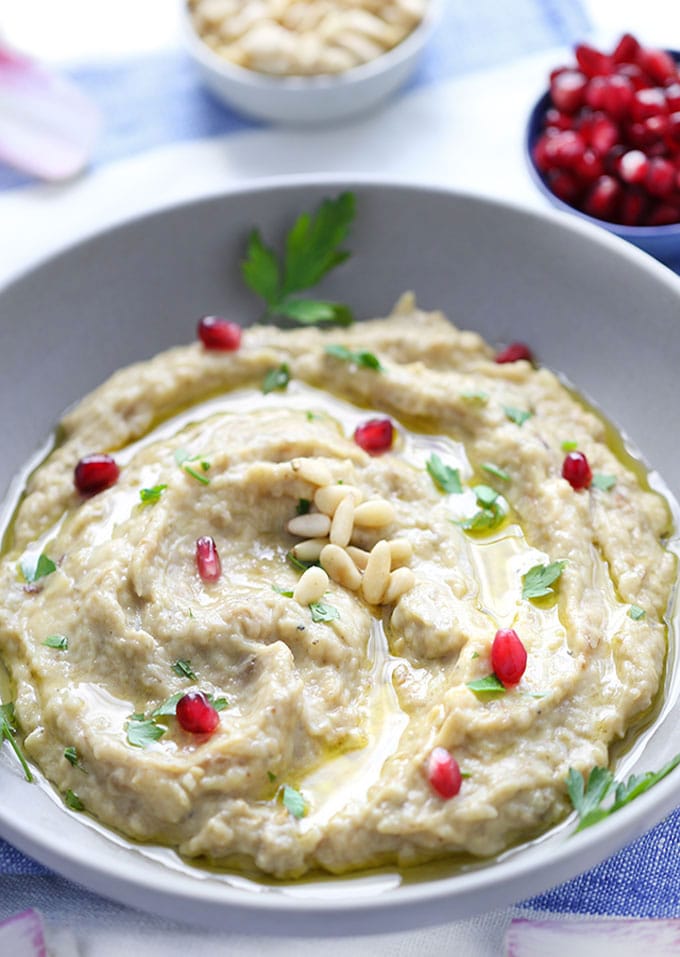
- Serve: Spread the Baba Ganoush into a wide, shallow serving bowl, using the back of a spoon to create swirls on the surface. Drizzle generously with extra-virgin olive oil, sprinkle with smoked paprika, fresh parsley, and pomegranate arils if using. Serve with warm pita bread and fresh vegetables.
