

When the Heat Wins, These Noodles Do Too
There is a very specific kind of summer afternoon that calls for this recipe — the kind where turning on the stove feels borderline offensive, where even the idea of hovering over a pan makes you sweat just thinking about it. You want something real, something satisfying, something that doesn’t taste like you gave up. That’s exactly where these cold sesame noodles come in and completely save the day. Bold, creamy, a little spicy, and deeply savory, they are the kind of meal that makes you wonder why you ever bother cooking at all.
I first fell in love with sesame noodles at a tiny takeout counter in New York City, the kind of place that hands you a container through a window and sends you on your way. But over the years, I started making them at home and realized something important: the no-cook version is actually better. No wok needed, no stovetop sauce, no reduction. Just a bowl, a whisk, and pantry staples that come together into something that tastes like it took hours. The peanut butter brings body and richness, the sesame oil adds that toasty, nutty depth you can’t fake, and a hit of chili garlic sauce turns the whole thing into a craveable, satisfying bowl you’ll want on repeat all summer long.
At Eating Happiness, we believe that nourishing yourself should never feel like a punishment or a chore. Eating well means eating food that excites you — food that’s built from clean, real ingredients and still delivers on flavor. These spicy peanut noodles check every single box. They come together in about 15 minutes, use whole food ingredients you likely already have, and can be customized endlessly to suit whatever you’ve got in your fridge. If you’re a fan of no-cook meals that don’t cut corners, you’ll also love our Chilled Gazpacho — another brilliant bowl that keeps the stove off all summer.
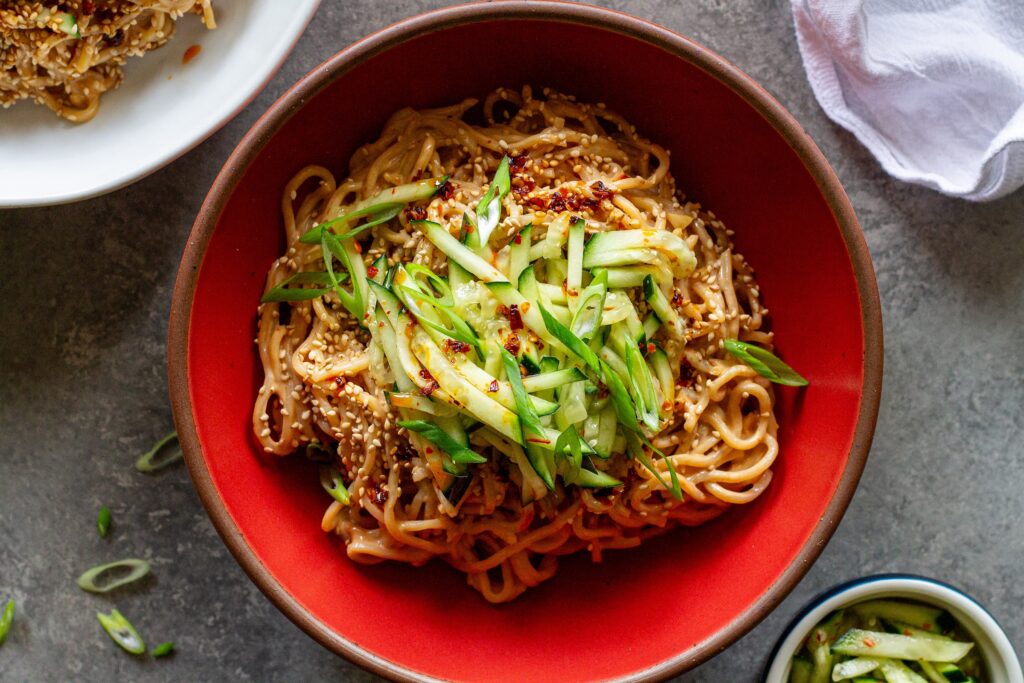
Why You’ll Love This Recipe
- Completely no-cook: Aside from boiling your noodles (which you can even do ahead), the sauce requires zero heat. Just whisk and toss.
- Ready in 15 minutes: From pantry to bowl, this meal is faster than delivery and infinitely more satisfying.
- Deeply nourishing: Peanut butter provides healthy fats and plant-based protein. Sesame seeds are rich in calcium and antioxidants. This is real food doing real work.
- Endlessly customizable: Add shredded chicken, edamame, tofu, or extra veggies — the sauce plays beautifully with everything.
- Meal-prep friendly: The sauce keeps in the fridge for up to a week, and the noodles hold up beautifully, making this a reliable weekday lunch hero.
- Balanced and satisfying: Unlike many “light” summer dishes, this one genuinely fills you up thanks to the healthy fat and protein combo in the sauce.
Key Ingredients That Make This Dish Shine
At the heart of these cold sesame noodles is a sauce that punches way above its weight, and understanding why each ingredient matters will help you make it perfectly every single time. The foundation is natural peanut butter — and by natural, I mean the kind where the only ingredients are peanuts and maybe salt. Natural peanut butter blends into the sauce smoothly and brings a clean, rich nuttiness without the added sugars or hydrogenated oils found in processed versions. It’s also a fantastic source of plant-based protein and heart-healthy monounsaturated fats, making it one of those pantry staples that’s genuinely good for you.
Right alongside the peanut butter, toasted sesame oil is non-negotiable. This is what gives the dish its signature soul — that warm, smoky, almost sweet aroma that defines sesame noodles as a genre. A little goes a long way, and it’s worth buying a good bottle because the flavor difference is immediately noticeable. Speaking of depth, soy sauce (or tamari for a gluten-free swap) adds the savory, umami backbone that ties everything together and keeps the sauce from tasting flat or one-dimensional.
For heat and complexity, chili garlic sauce is the move here. Unlike plain hot sauce, chili garlic sauce brings texture, fermented funk, and a garlicky kick that builds beautifully in the dish. You can dial it up or down depending on your spice tolerance, but don’t skip it entirely — it’s what makes this recipe feel exciting rather than just pleasant. A splash of rice vinegar adds brightness and cuts through the richness of the peanut butter, keeping every bite feeling fresh and lively rather than heavy. Finally, the noodles themselves matter more than you might think. Wheat-based lo mein or soba noodles both work wonderfully here — soba in particular adds a nutty whole-grain quality and is rich in manganese and B vitamins, making the nutritional profile of this dish even more impressive.
Pro Tips & Variations
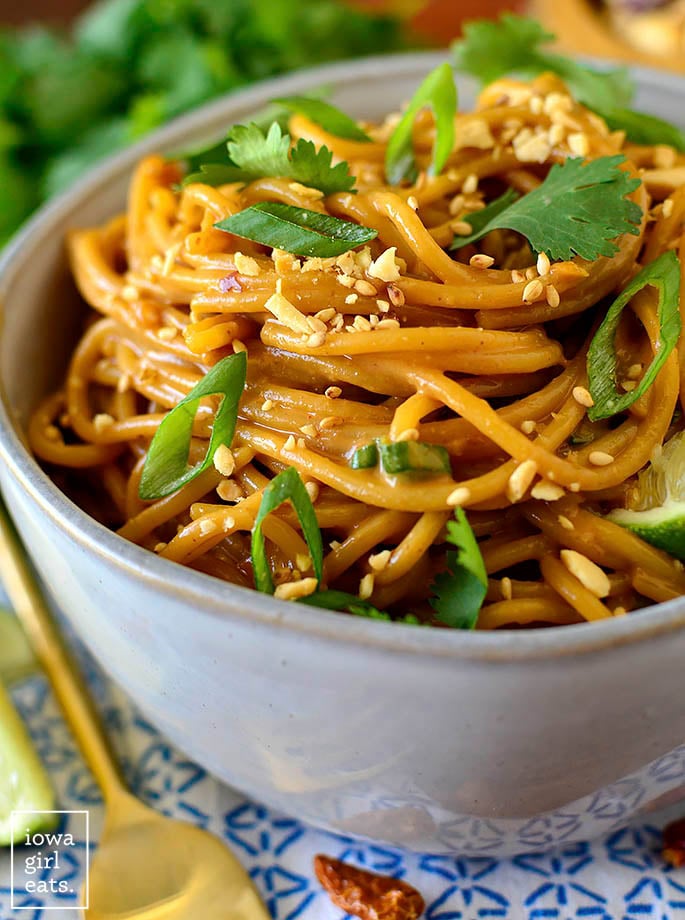
Rinse your noodles in cold water immediately. The single most important technique in this recipe is running your cooked noodles under cold water the moment they’re done cooking. This stops the cooking process, cools them down fast, and — most importantly — washes away excess starch so the noodles don’t clump together or turn gluey when you toss them in the sauce. After rinsing, toss them with just a tiny drizzle of sesame oil to keep them loose while you prepare the sauce.
Thin the sauce to your liking. The peanut sauce will look thick when you first whisk it together, and that’s totally normal. Add warm water one tablespoon at a time, whisking as you go, until it reaches a pourable, glossy consistency that coats the back of a spoon. Don’t rush this step — the right texture makes a huge difference in how the sauce clings to and flavors every strand of noodle.
Grate your ginger fresh. Pre-minced ginger in a jar gets the job done, but freshly grated ginger has a brightness and heat that’s noticeably better in a raw sauce like this. Use a microplane for the finest texture — it practically melts into the sauce with no fibrous chunks. As Serious Eats has noted in their exploration of cold noodle dishes, fresh aromatics in uncooked sauces make an outsized flavor impact precisely because there’s no heat to mellow them out.
Make it a full meal with toppings. The toppings are where you can really make this dish your own. For a protein boost, add shredded rotisserie chicken, sliced pan-seared tofu, or a handful of edamame straight from the freezer (just thaw under warm water). For crunch and freshness, julienned cucumber, shredded purple cabbage, and grated carrots are perfect — they add color, texture, and a dose of fiber and antioxidants that make this already-healthy dish even more nourishing.
Try soba noodles for extra nutrition. While traditional cold sesame noodles are made with Chinese wheat noodles, buckwheat soba is a fantastic swap that adds a deeper, earthier flavor and bumps up the nutritional value considerably. Soba is higher in fiber and contains rutin, a flavonoid with anti-inflammatory properties. It also happens to be naturally gluten-free when made from 100% buckwheat, so check the label if that matters to you.
Make it nut-free. If peanut allergies are a concern, sunflower seed butter or tahini (sesame paste) make wonderful substitutes. Tahini in particular keeps you firmly in the sesame family flavor-wise and creates a slightly more savory, less sweet sauce that many people actually prefer. The Bon Appétit take on sesame noodles has explored tahini-forward versions to great effect.
Serve it cold — really cold. These noodles are at their absolute best when fully chilled. If you have time, refrigerate the dressed noodles for at least 30 minutes before serving. The sauce thickens slightly and the flavors meld together in a way that makes the dish taste far more developed than something you threw together in 15 minutes. This makes it ideal for meal prepping — dress a big batch Sunday night and enjoy it for lunch all week.
If you’re in a no-cook mindset for the whole week, you might also enjoy our Overnight Oats Summer Berry Recipe for breakfast — another zero-heat, prep-ahead option that keeps your mornings effortless and nourishing.
Nutritional Highlights
These cold sesame noodles aren’t just delicious — they’re a genuinely balanced meal that does good things for your body. The peanut butter at the core of the sauce delivers healthy monounsaturated and polyunsaturated fats, along with a meaningful hit of plant-based protein. Sesame oil and sesame seeds contribute lignans and vitamin E, both of which have antioxidant properties that support overall wellness. The fresh vegetable toppings — cucumber, carrots, scallions — add hydration, fiber, and micronutrients like beta-carotene and vitamin C without adding significant calories. If you opt for soba noodles, you’ll also get the benefits of resistant starch, which feeds beneficial gut bacteria and helps regulate blood sugar. Per serving, this dish clocks in at roughly 480 calories with a satisfying macronutrient balance of complex carbohydrates, healthy fats, and protein — the kind of meal that fuels an active afternoon rather than weighing you down. It’s a perfect example of what we love most at Eating Happiness: food that’s indulgent in flavor but deeply intentional in ingredients.
Frequently Asked Questions
Can I make cold sesame noodles ahead of time?
Absolutely — in fact, making them ahead is highly recommended. The flavors deepen and meld beautifully as the noodles sit in the sauce in the refrigerator. You can cook and dress the noodles up to 24 hours in advance and store them in an airtight container in the fridge. One thing to note: the noodles will absorb some of the sauce as they sit, so the dish may seem a little drier the next day. Simply drizzle a little sesame oil or a splash of soy sauce over the top and toss to refresh everything before serving. The sauce itself can be made up to 5 days ahead and stored separately in a jar in the fridge, which makes assembling a fresh bowl on demand incredibly fast and easy.
What noodles work best for cold sesame noodles?
The most traditional choice is Chinese wheat noodles — specifically lo mein or thin wheat noodles, which have a slightly chewy bite and a neutral flavor that lets the sauce do the talking. That said, this recipe is very flexible. Soba noodles (buckwheat) are a popular and nutritious swap that add an earthy, nutty quality and work beautifully with the sesame-peanut sauce. Rice noodles make this dish gluten-free and create a lighter, more delicate texture. Even spaghetti or linguine work in a pinch — just cook them al dente and rinse very well in cold water. Avoid fresh egg noodles for make-ahead situations, as they tend to clump more aggressively once cooled.
How spicy are these cold sesame noodles, and can I adjust the heat?
As written, this recipe produces a medium heat level — you’ll feel a pleasant warmth and tingle but nothing overwhelming. The chili garlic sauce is the primary heat source, and it’s very easy to customize. For a milder version, start with just one teaspoon of chili garlic sauce and taste before adding more. For serious spice lovers, increase the chili garlic sauce, add a drizzle of chili crisp oil on top, or mix in a pinch of cayenne directly into the sauce. You can also add fresh sliced red chili as a topping for people who want to control their own heat level at the table. The beauty of a customizable sauce like this is that you’re completely in control — and nobody ends up with a bowl that’s too hot to enjoy.
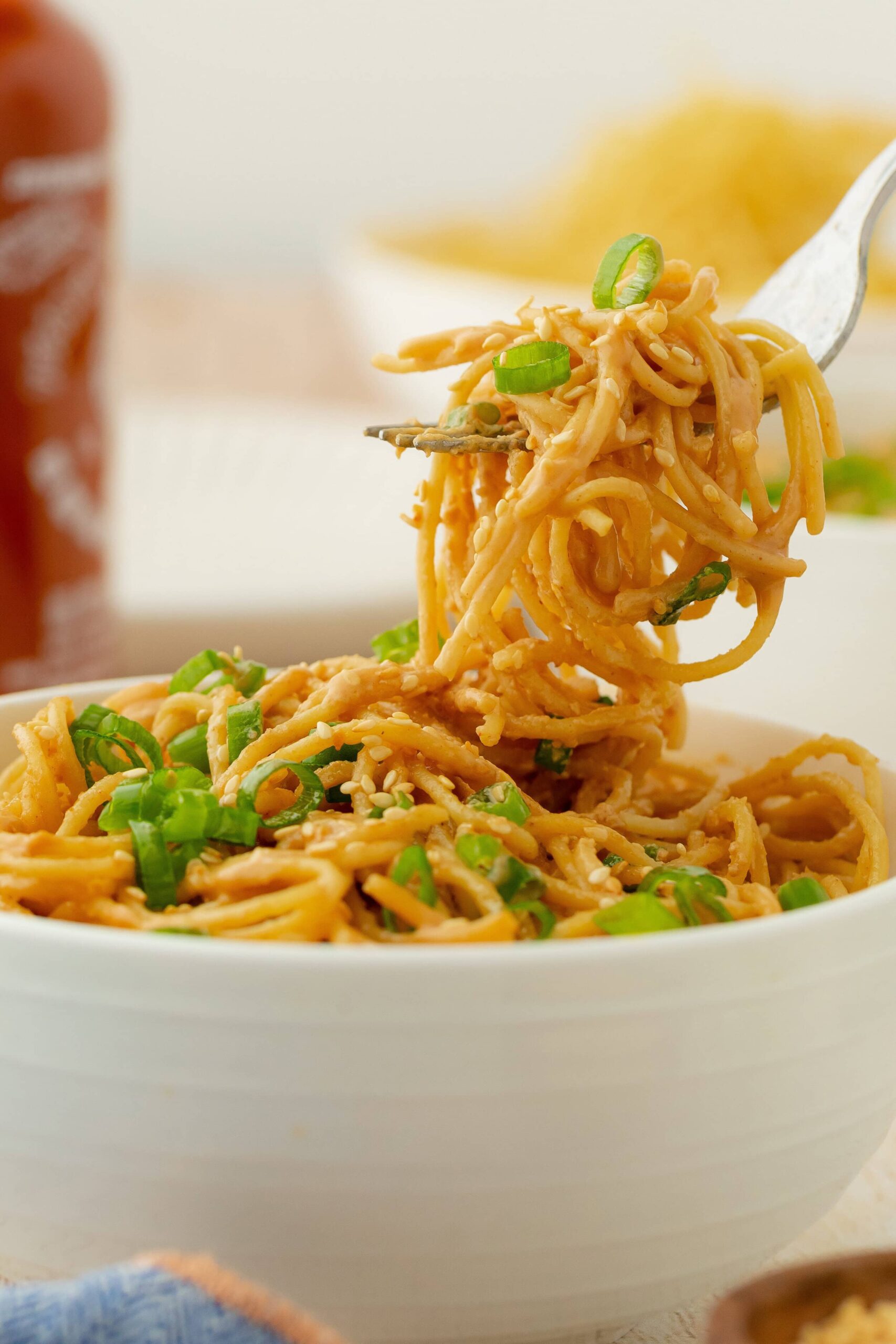
Make This Bowl Tonight — Then Share It With Everyone You Know
Cold sesame noodles are one of those recipes that feels like a discovery every single time you make them — that moment when you taste the sauce and think, “I made this in 15 minutes?” is genuinely exciting. It’s proof that eating well doesn’t require hours of effort or a long list of fancy ingredients. It requires good flavors, smart technique, and a commitment to using real, whole ingredients that your body recognizes and appreciates.
Whether you’re making this as a quick weeknight dinner, a packed lunch for a busy week, or a crowd-pleasing side dish for a summer gathering, this recipe delivers every single time. It’s the kind of thing you make once and immediately add to the permanent rotation. And if you’re building out a full no-cook summer menu, don’t miss our Watermelon Lime Granita for the most refreshing possible finish to a meal like this one.
If you make these cold sesame noodles, I’d genuinely love to hear about it. Leave a comment below, rate the recipe, and if you share a photo on Instagram or Pinterest, tag us at @EatingHappiness — there’s nothing better than seeing your versions of these dishes come to life. Save this recipe now so you always know where to find it when that hot, stove-free afternoon hits.
Find the complete recipe card below ↓
Cold Sesame Noodles
Ingredients
- 12 oz lo mein noodles or soba noodles or spaghetti as a substitute
- 1 tsp toasted sesame oil for tossing cooked noodles to prevent clumping
- 1/3 cup natural peanut butter creamy, no added sugar or oils
- 3 tbsp soy sauce or tamari for gluten-free
- 2 tbsp toasted sesame oil
- 2 tbsp rice vinegar
- 1 tbsp chili garlic sauce adjust to taste — use more for extra spice
- 1 tbsp honey or maple syrup for vegan
- 1 tbsp fresh ginger finely grated, about a 1-inch knob
- 2 cloves garlic finely grated or minced
- 2-4 tbsp warm water to thin sauce to desired consistency
- 1 medium English cucumber julienned or thinly sliced
- 2 medium carrots grated or julienned
- 3 scallions (thinly sliced)
- 2 tbsp toasted sesame seeds
- 1 tbsp chili crisp oil optional, for serving
- 1/4 cup fresh cilantro optional, roughly chopped

Instructions
- Cook noodles according to package directions until just al dente — do not overcook, as they will soften slightly more as they sit in the sauce.
- Immediately drain and rinse under cold running water for 1-2 minutes, tossing with your hands to cool completely and remove excess starch.
- Drain well, transfer to a large bowl, and toss with 1 teaspoon sesame oil to keep noodles from sticking together. Set aside.
- In a medium bowl, whisk together the peanut butter, soy sauce, toasted sesame oil, rice vinegar, chili garlic sauce, honey, grated ginger, and grated garlic until completely smooth and combined.
- Add warm water one tablespoon at a time, whisking after each addition, until the sauce is pourable and glossy but still thick enough to coat a spoon. You want it to flow easily but not be watery. Taste and adjust — more chili garlic sauce for heat, more honey for sweetness, more vinegar for brightness.
- Pour the peanut sesame sauce over the cooled noodles and toss thoroughly until every strand is evenly coated. Use tongs or two forks to ensure the sauce gets distributed all the way through.
- Divide the dressed noodles between four bowls. Top each bowl with julienned cucumber, grated carrots, and sliced scallions.
- Sprinkle generously with toasted sesame seeds and add a drizzle of chili crisp oil and fresh cilantro if using. Serve immediately, or refrigerate for up to 30 minutes for a deeper, more melded flavor. Enjoy cold or at room temperature.