

Healthy Thai Papaya Salad Som Tam — Spicy, Fresh & Incredibly Nourishing
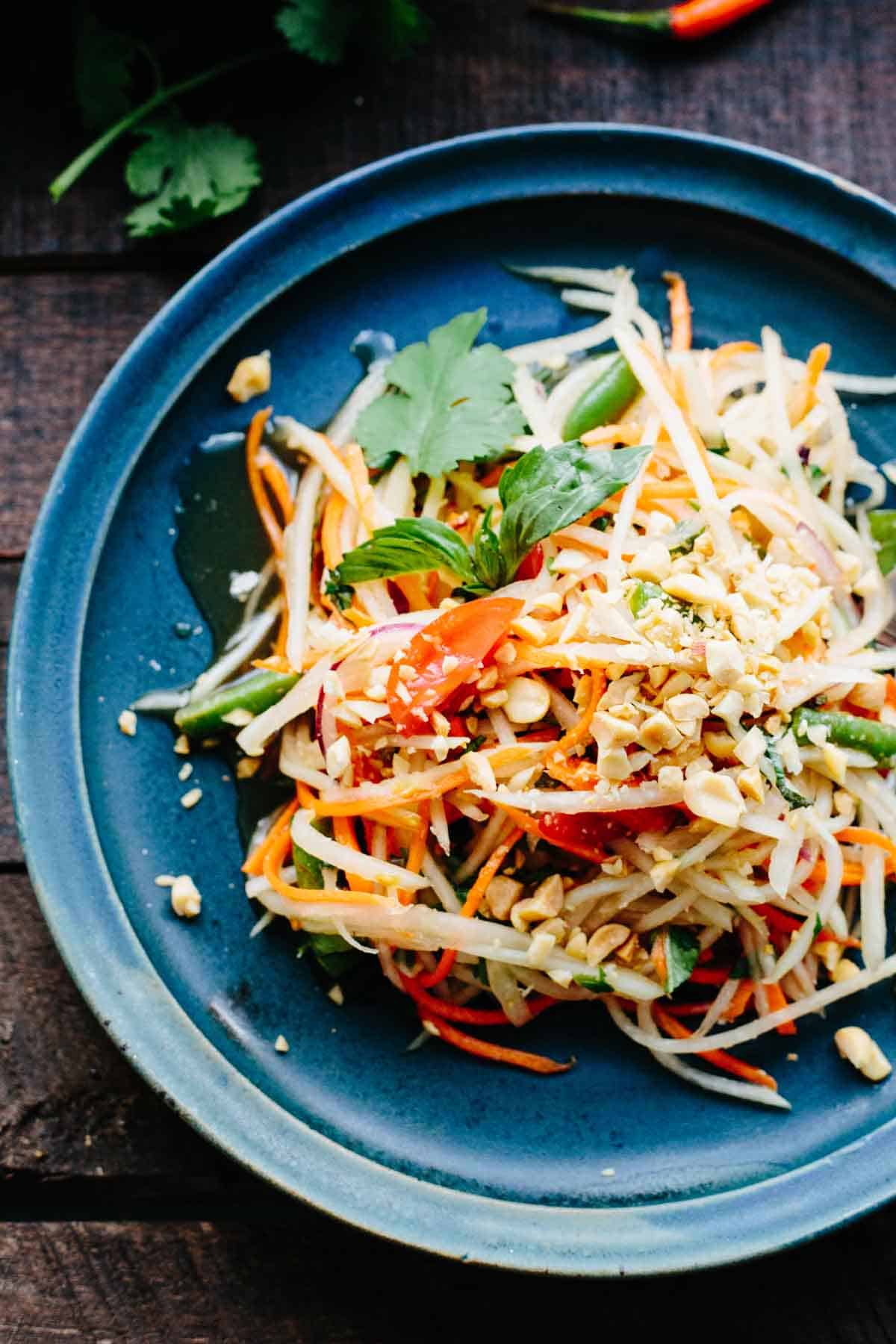
There are certain dishes that stop you in your tracks the first time you taste them — where a single bite completely reframes what you thought a salad could be. Som tam, Thailand’s iconic green papaya salad, is exactly that kind of revelation. I first encountered it at a tiny street stall in Chiang Mai, where a vendor rhythmically pounded garlic and chilies in a clay mortar before tossing in ribbons of shredded unripe papaya, cherry tomatoes, and a shower of crushed peanuts. The result was something electric: simultaneously sour, spicy, salty, and sweet — every flavor chasing the next in a way that felt almost meditative to eat. That memory has stayed with me for years, and recreating it at home has become one of my greatest kitchen joys.
What makes this healthy Thai papaya salad som tam such a perfect fit for the Eating Happiness ethos is that it’s genuinely, deeply good for you — not in a reluctant, compromise-heavy way, but in the way that real, whole-food cooking always is. Green papaya is a nutritional powerhouse hiding in plain sight. The dressing is built almost entirely from fresh citrus, herbs, and functional ingredients like fish sauce and palm sugar that serve specific flavor and health purposes. There’s no heavy cream, no refined flour, no processed anything. Just bold, clean ingredients doing what they do best. This is wellness eating that doesn’t ask you to sacrifice a single ounce of pleasure.
Whether you’re looking for a vibrant side dish to accompany grilled pineapple chicken kabobs at your next summer gathering, or you want a light, energizing lunch that keeps you satisfied for hours, this recipe delivers on every level. It comes together in about 20 minutes, requires no cooking whatsoever, and scales beautifully for meal prep or a crowd. Let’s get into it.
Why You’ll Love This Recipe
- No-cook, no-heat required — This is a completely raw salad, which means zero time standing over a stove and maximum nutrient preservation in every bite.
- Ready in 20 minutes — Once your papaya is shredded (a mandoline makes this effortless), the whole dish comes together in minutes. It’s faster than ordering takeout.
- Genuinely nutritious — Green papaya is loaded with enzymes, vitamins C and A, and fiber. The dressing adds anti-inflammatory compounds from lime, garlic, and fresh herbs.
- Deeply customizable — Adjust the heat level, swap proteins, make it vegan — this recipe bends to your lifestyle without losing its soul.
- Bold, complex flavor from simple ingredients — The five-flavor balance of Thai cuisine (sour, spicy, salty, sweet, umami) is fully present here. It tastes like restaurant quality at a fraction of the cost.
- Perfect for meal prep — The papaya holds its crunch remarkably well, and the flavors actually deepen as it rests, making it a great make-ahead option.
Key Ingredients & Why They Matter
The star of this dish is, of course, green (unripe) papaya, and it’s worth seeking out rather than substituting. Unlike ripe papaya, the unripe fruit is firm, starchy, and almost neutral in flavor — functioning more like a vegetable than a fruit. This is precisely what you want. It provides a satisfying crunch similar to jicama or firm green mango, and it soaks up the bold dressing like a sponge without turning soggy. Green papaya also contains papain, a natural digestive enzyme that supports gut health and has been shown in research to reduce inflammation. You can find it at most Asian grocery stores, and it’s well worth the trip.
The dressing is where this recipe truly comes alive, and fresh lime juice is its backbone. We’re talking about a generous squeeze — at least two to three limes — providing the bright, piercing acidity that defines som tam. Please don’t use bottled lime juice here; the volatile aromatic compounds in freshly squeezed citrus are irreplaceable, and they contribute significantly to the salad’s energizing, refreshing quality. Alongside the lime, fish sauce provides the deep, savory umami base that ties all the flavors together. If you’re vegan or vegetarian, a quality soy sauce or coconut aminos works beautifully, though the complexity shifts slightly. Fish sauce is also rich in glutamates and has been used for centuries in Southeast Asian cooking for its flavor-enhancing properties.
Thai bird’s eye chilies bring the heat, and in traditional som tam, they are not shy about it. The capsaicin in these small but mighty chilies is well-documented for its metabolism-boosting and anti-inflammatory benefits — a genuinely functional ingredient that also happens to make food taste extraordinary. Start with one or two if you’re heat-sensitive and work your way up. The cherry tomatoes might seem like a simple addition, but they serve a critical textural and flavor role: their burst of sweetness and slight acidity counterbalances the lime, and their juices mingle with the dressing to create something greater than the sum of its parts. Finally, roasted peanuts bring richness, healthy fats, and a satisfying crunch that rounds the whole dish out — they’re not a garnish here, they’re a structural ingredient.
Pro Tips & Variations
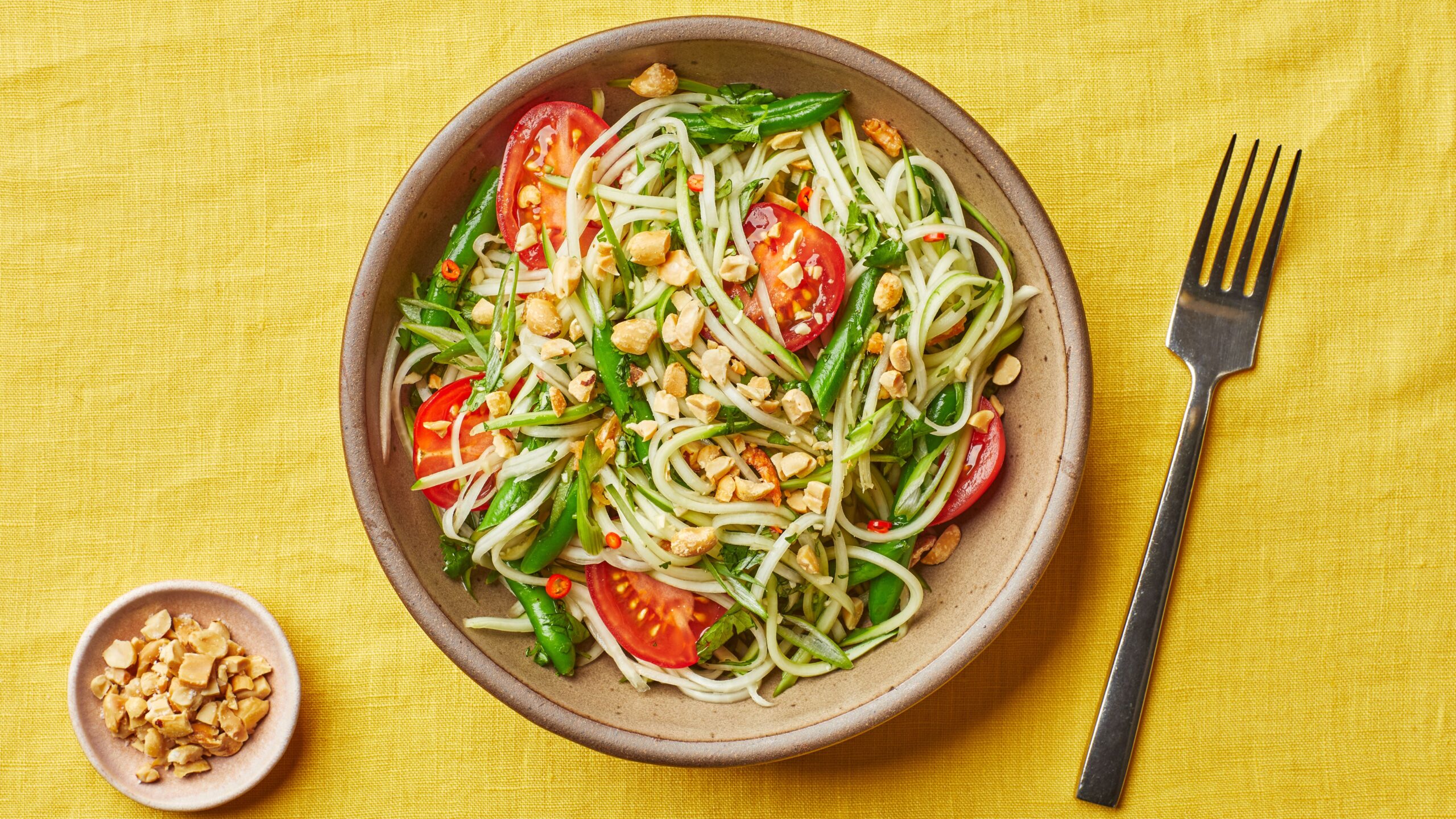
Use a mortar and pestle if you can. The traditional method of making som tam involves a clay mortar and a long wooden pestle. The pounding action bruises the vegetables and integrates the dressing in a way that a bowl and fork simply can’t replicate. You’re not pulverizing everything — you’re gently bruising the papaya to help it absorb flavor while keeping the texture intact. If you don’t have one, a large zip-lock bag and a rolling pin work as a surprisingly effective alternative.
Shred the papaya as thin as possible. The thinner the shreds, the more surface area there is to absorb that incredible dressing, and the more elegant the final texture. A julienne peeler or a mandoline with a julienne attachment gives you those signature long, fine ribbons. A box grater works in a pinch but produces shorter, less elegant shreds.
Balance the dressing before you dress the salad. Taste the dressing on its own and adjust before tossing. It should feel almost aggressively flavored on its own — sharply sour, quite salty, detectably sweet — because once it coats the papaya and vegetables, those flavors will mellow and integrate. This is one of the most important tips in Thai cooking, and Serious Eats has an excellent breakdown of Thai flavor balancing that’s worth bookmarking.
Let it rest for 10 minutes before serving. This step is often skipped but makes a genuine difference. A short rest allows the papaya to soften ever so slightly at the edges while retaining its core crunch, and the dressing fully permeates every strand. If you’re serving this as a light lunch alongside something like our cold cucumber avocado soup, prepare the salad first and let it rest while you blend the soup.
Variations worth trying:
- Som Tam with Shrimp: Add 6–8 grilled or poached large shrimp for a complete protein-forward meal. This is one of the most popular variations in Thailand and elevates the dish from side to main effortlessly.
- Vegan Som Tam: Swap fish sauce for coconut aminos or a quality tamari. Add sliced avocado for healthy fats and richness that complement the acidity of the dressing beautifully.
- Green Mango Version: If you can’t find green papaya, firm, unripe green mango is the most traditional substitute and produces a slightly more tart, fruity result that’s absolutely delicious.
- Som Tam with Glass Noodles: Toss in a handful of soaked and drained glass noodles (mung bean noodles) to add substance and turn this into a more filling main-course salad.
- Nut-Free Version: Replace peanuts with toasted sunflower seeds or pumpkin seeds for an allergy-friendly variation that still delivers that essential crunch and healthy fat component.
If you love the no-cook, produce-forward approach of this recipe, you might also enjoy our healthy watermelon feta salad — another vibrant, no-heat-required dish that celebrates the beauty of fresh summer ingredients.
Nutritional Highlights
This healthy Thai papaya salad som tam is as nutritious as it is delicious, and the numbers genuinely reflect that. A single serving comes in at approximately 185 calories, making it an ideal light meal or satisfying side dish that supports balanced eating without any sense of deprivation. Green papaya is the nutritional anchor here: it’s rich in vitamin C (a powerful antioxidant), vitamin A (critical for immune function and skin health), folate, and dietary fiber that supports sustained digestion and gut microbiome health. The papain enzyme it contains has been studied for its anti-inflammatory properties and its ability to support protein digestion — a particularly interesting benefit if you’re pairing this salad with a protein-rich main. The lime dressing contributes additional vitamin C and flavonoids, while the garlic and chilies bring allicin and capsaicin respectively — both of which have documented anti-inflammatory and metabolic benefits. The roasted peanuts add heart-healthy monounsaturated fats, plant-based protein, and magnesium. According to Bon Appétit’s exploration of green papaya, this underutilized ingredient deserves far more attention in the Western wellness kitchen — and after making this recipe, we think you’ll agree wholeheartedly. In short: this is a salad that works as hard for your body as it does for your taste buds.
Frequently Asked Questions
Where can I find green papaya, and what should I look for?
Green papaya is most reliably found at Asian grocery stores, Latin supermarkets, or well-stocked international food markets. Look for a firm, completely unripe papaya with solid green skin — it should feel hard when you press it, similar to a firm zucchini, with no give whatsoever. Avoid any papaya that has begun to yellow or soften, as it will be too sweet and won’t hold the crisp texture that defines authentic som tam. In a pinch, unripe green mango, shredded kohlrabi, or firm jicama can stand in and produce a similarly crunchy, fresh result. Some well-stocked grocery stores carry pre-shredded green papaya in the refrigerated produce section, which is a great time-saving option.
How spicy is this salad, and can I adjust the heat level?
Traditional Thai som tam is genuinely, unapologetically spicy — in Thailand, it’s common to use five to ten bird’s eye chilies in a single serving. For this recipe, we’ve calibrated the heat to a moderate level that’s approachable for most palates while still delivering the energizing kick the dish is known for. You are fully in control: start with one chili for a mild warmth, use two to three for a medium heat that most people will enjoy, and go four or more if you want the authentic Thai street-food experience. The chilies are pounded or finely sliced, so their heat distributes evenly through the dressing. Note that the sweetness of the palm sugar and the acidity of the lime both temper perceived heat, so the dressing is more balanced than a straight chili count might suggest.
Can I make this salad ahead of time, and how should I store leftovers?
Som tam is best enjoyed freshly made, when the papaya is at peak crunch and the dressing is bright and vibrant. That said, it holds up remarkably well compared to most salads. You can shred the papaya and prepare all the components up to 24 hours in advance — store the shredded papaya in cold water in the refrigerator to keep it crisp, and keep the dressing separate. Toss everything together about 10–15 minutes before serving. If you have fully dressed leftovers, store them in an airtight container in the refrigerator for up to 2 days. The texture will soften slightly but the flavors deepen beautifully — some people actually prefer day-two som tam. Add a fresh squeeze of lime and a handful of peanuts just before eating to revive the freshness. Do not freeze this salad, as the papaya will lose all of its texture upon thawing.
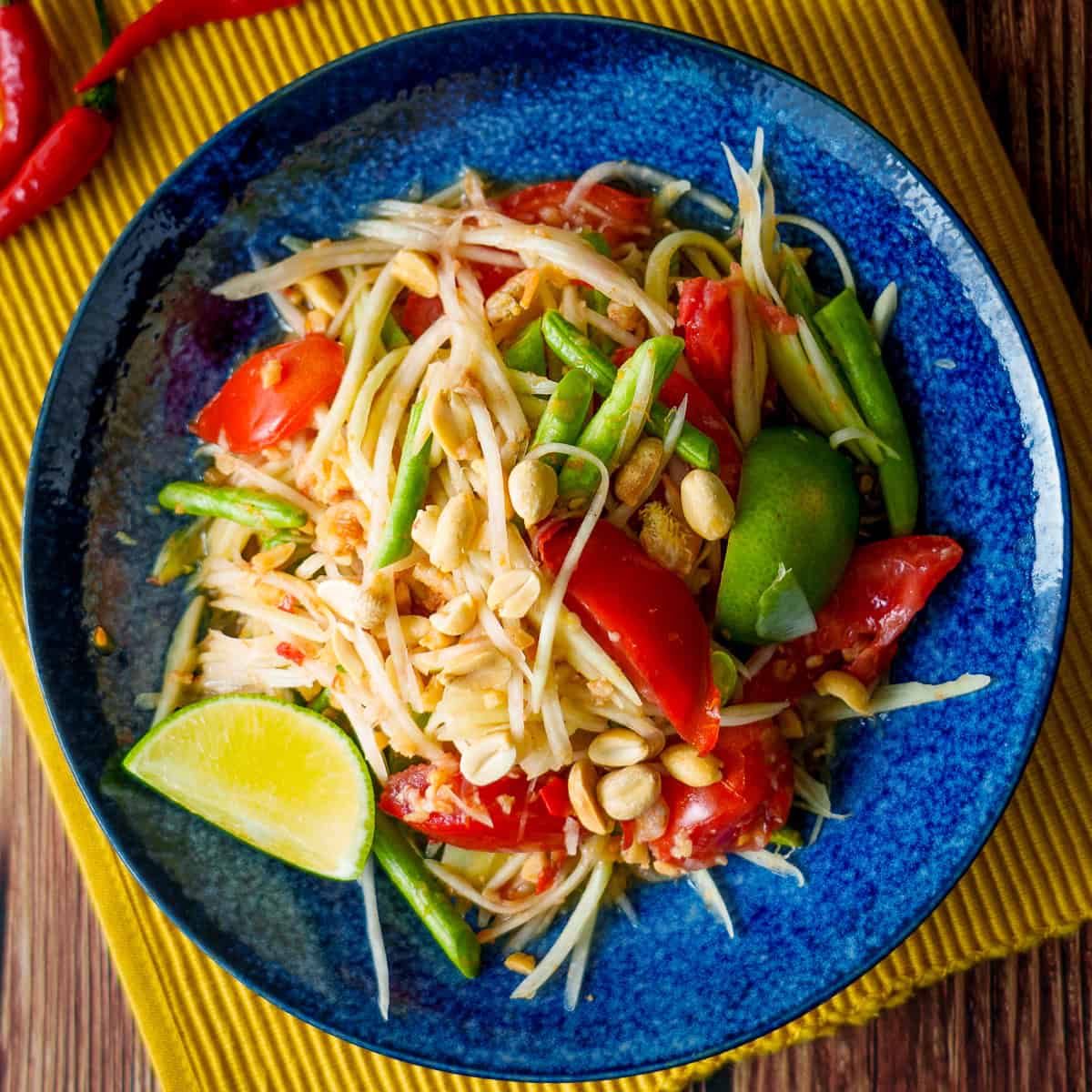
Ready to Bring Som Tam Into Your Kitchen?
This healthy Thai papaya salad som tam is more than just a recipe — it’s an invitation to eat with more intention, more flavor, and more joy. It proves that clean, nourishing food doesn’t have to be quiet or boring; it can be bold, electric, and deeply satisfying all at once. Whether you’re discovering green papaya for the very first time or you’re a longtime som tam enthusiast looking to perfect your home version, we hope this recipe becomes a regular in your rotation. The 20-minute prep time, the zero-cook simplicity, and the incredible nutritional profile make it one of those rare dishes you can feel great about eating again and again.
If you make this recipe, we’d love to see it! Share your creation on Instagram and tag @eatinghappiness — there’s nothing more inspiring than seeing this community cooking together. Save this post to Pinterest so you can come back to it all summer long, and if you have a friend who loves Thai food or is curious about clean eating, this is the recipe to send them. Drop your questions, variations, and reviews in the comments below — we read every single one and love hearing how recipes evolve in your kitchen.
Find the complete recipe card below ↓
Thai-Style Papaya Salad (Som Tam)
Ingredients
- 1 medium green unripe) papaya (about 2 lbs, peeled, seeds removed, julienned or shredded into fine strips
- 1 cup cherry tomatoes halved
- 6 long beans yard-long beans) or green beans (cut into 2-inch pieces, about 1 cup
- 3 green onions thinly sliced
- 1/4 cup roasted peanuts lightly crushed, plus more for garnish
- 1/4 cup fresh cilantro leaves loosely packed
- 2 tablespoons dried shrimp optional but traditional — omit for vegan version
- 3 limes (freshly squeezed, about 1/4 cup juice)
- 3 tablespoons fish sauce use coconut aminos or tamari for vegan
- 1.5 tablespoons palm sugar or brown sugar adjust to taste
- 2 Thai bird's eye chilies finely sliced or pounded — use 1 for mild, up to 5 for very spicy
- 2 cloves garlic minced or pounded
- 2 tablespoons roasted peanuts roughly crushed
- 1 lime (cut into wedges)
- 6 fresh Thai basil or mint leaves optional
- 1 fresh red chili thinly sliced for garnish, optional

Instructions
- Peel the green papaya using a vegetable peeler, then cut it in half lengthwise and scoop out the seeds and any white pith with a spoon.
- Using a julienne peeler, mandoline with a julienne attachment, or the large holes of a box grater, shred the papaya into long, fine strips. You should have about 4 cups of shredded papaya. Place in a large bowl or directly into a large mortar.
- In a small bowl, whisk together the fresh lime juice, fish sauce, and palm sugar until the sugar is fully dissolved. Taste and adjust — it should be sour, salty, and lightly sweet in equal measure.
- Add the minced or pounded garlic and sliced bird's eye chilies to the dressing and stir to combine. Set aside for 5 minutes to allow the flavors to meld.
- If using a large clay mortar: Add the garlic and chilies and pound 3–4 times to bruise. Add the long beans and pound lightly. Add the cherry tomatoes and give another gentle pound to just burst them.
- Add the shredded papaya to the mortar in two or three batches, using a large spoon in one hand and the pestle in the other to toss and lightly bruise the papaya while incorporating the dressing. The goal is bruised, not mashed.
- Pour the prepared dressing over the papaya mixture and toss thoroughly to coat every strand. Add the dried shrimp if using and toss again.
- If you don't have a mortar: Place the shredded papaya, cherry tomatoes, long beans, and green onions in a large mixing bowl. Pour the dressing over the top.
- Using clean hands or two large spoons, toss vigorously for 1–2 minutes, gently squeezing the papaya as you go to help it absorb the dressing. The squeezing mimics the bruising action of the mortar.
- Let the dressed salad rest for 10 minutes at room temperature to allow the flavors to fully develop and the papaya to absorb the dressing.
- Transfer to a serving platter or individual bowls. Top with the crushed roasted peanuts, cilantro leaves, Thai basil if using, sliced red chili, and lime wedges on the side.
- Serve immediately at room temperature. Encourage diners to add an extra squeeze of lime just before eating.