

There’s something almost magical about the first spoonful of Vietnamese Pho. The way the aromatic steam rises from the bowl, carrying with it the complex perfume of star anise, cinnamon, and charred onions. It’s a moment that transports you instantly to the bustling streets of Hanoi or Ho Chi Minh City, where vendors have been perfecting this soul-warming soup for generations. The beauty of pho lies not just in its incredible depth of flavor, but in the ritual of eating it – the careful arrangement of fresh herbs, the squeeze of lime, the gentle slurp of silky rice noodles intertwined with tender slices of beef or chicken.
I’ll never forget my first authentic bowl of Vietnamese Pho, served at a tiny family-run restaurant where the grandmother had been making the same broth recipe for over forty years. She told me through her granddaughter’s translation that pho isn’t just food – it’s medicine for the soul, a way to bring families together, and a canvas for personal expression through the choice of garnishes and seasonings. That experience sparked my obsession with recreating this masterpiece at home, and after countless attempts and tweaks, I’m thrilled to share a recipe that captures that same warmth and complexity in your own kitchen.
While traditional pho can take days to perfect, this home-friendly version delivers all the essential flavors and comfort you’re craving without the intimidation factor. The secret lies in understanding the balance of aromatics, building layers of flavor, and respecting the simple yet precise techniques that make Vietnamese Pho the ultimate comfort food.
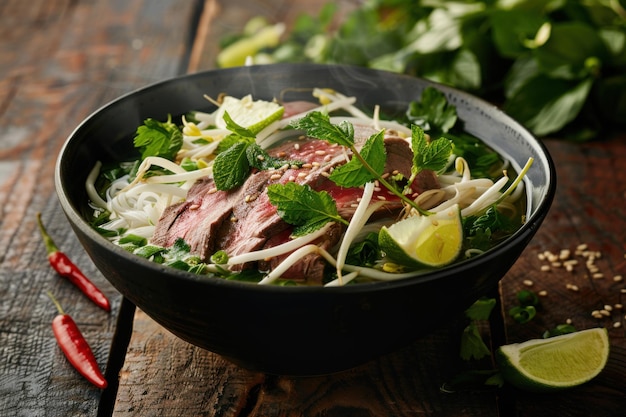
Why You’ll Love This Vietnamese Pho Recipe
This Vietnamese Pho recipe strikes the perfect balance between authenticity and accessibility, making it possible to enjoy restaurant-quality pho from the comfort of your home. Unlike some versions that require hard-to-find ingredients or days of preparation, this recipe uses readily available components while still delivering that signature depth of flavor that makes pho so irresistible.
The broth is the heart and soul of any great pho, and this version creates a rich, aromatic base that’s both complex and comforting. You’ll love how the warming spices fill your kitchen with incredible aromas as the broth simmers, and how customizable the final bowl becomes with fresh herbs, crisp vegetables, and your choice of protein.
Perhaps most importantly, this recipe is incredibly nourishing and satisfying. Each bowl delivers a complete meal with protein, vegetables, and rice noodles, all swimming in a broth that’s been praised by food experts for its ability to comfort and heal. Whether you’re fighting off a cold, seeking comfort after a long day, or simply craving something deeply satisfying, Vietnamese Pho delivers on every level.
Key Ingredients That Make Perfect Vietnamese Pho
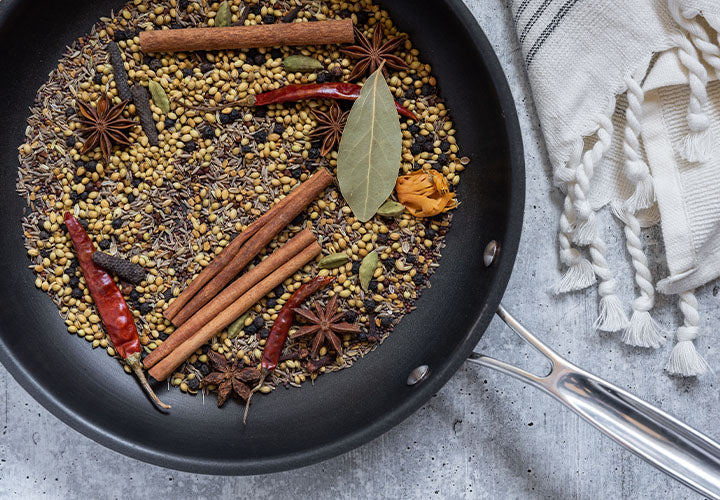
The magic of Vietnamese Pho begins with the aromatic spice blend that forms the foundation of the broth. Star anise provides that distinctive licorice-like sweetness that’s essential to authentic pho, while whole cinnamon sticks add warmth and depth. These spices, along with whole cloves and coriander seeds, are typically toasted to release their essential oils before being added to the broth. The charred onion and ginger create another layer of complexity – the slight blackening adds a subtle smokiness that can’t be replicated any other way. Fish sauce serves as the umami backbone of the soup, providing that savory depth that makes the broth so crave-worthy, while rock sugar balances the saltiness with a gentle sweetness. Finally, the rice noodles – specifically b?nh ph? – are crucial for authentic texture; these flat, translucent noodles have the perfect chew and ability to absorb the flavorful broth without becoming mushy.
Pro Tips & Variations
The key to exceptional Vietnamese Pho lies in properly charring your aromatics. Hold whole onions and ginger directly over an open flame using tongs, or place them under your broiler until they’re nicely blackened in spots. This step adds an incredible depth of flavor that simply can’t be skipped. When toasting your whole spices, watch them carefully – they should become fragrant but not burnt, which happens quickly.
For the clearest, most beautiful broth, maintain a gentle simmer rather than a rolling boil, and skim the surface regularly during the first hour of cooking. If you prefer a richer broth, you can add beef or chicken bones to simmer alongside the aromatics. The traditional approach uses a combination of marrow bones and knuckle bones for the ultimate depth.
Protein variations are endless with pho. The classic pho bo features paper-thin slices of raw beef that cook instantly when the hot broth is poured over them, but you can also use cooked beef, chicken thigh, shrimp, or even tofu for a vegetarian version. Many Vietnamese restaurants offer dozens of protein combinations, so don’t feel limited to just one option.
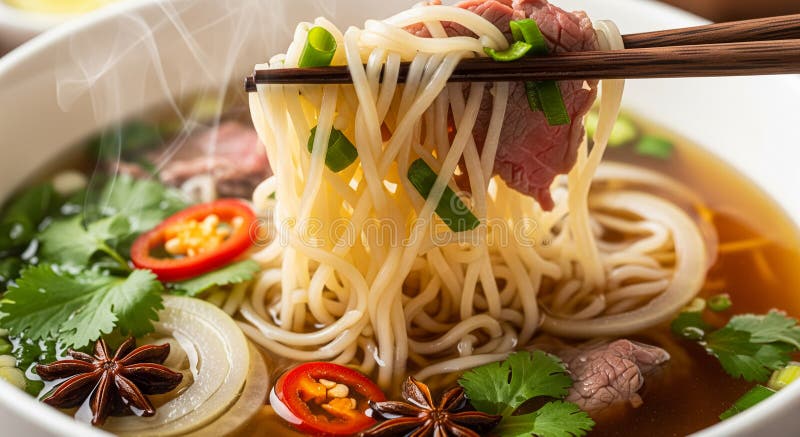
Assembly is crucial for the perfect bowl. Always warm your serving bowls with hot water first, cook the rice noodles until just tender (they’ll continue cooking slightly in the hot broth), and have all your garnishes prepped and ready. The traditional garnish plate includes fresh cilantro, Thai basil, mint, bean sprouts, lime wedges, sliced jalape?os, and thinly sliced onions.
Nutritional Highlights
Vietnamese Pho is remarkably nutritious while being incredibly satisfying and comforting. Each bowl provides a complete balance of macronutrients, with high-quality protein from your choice of meat or tofu, complex carbohydrates from the rice noodles, and an abundance of vitamins and minerals from the fresh herb garnishes. The aromatic broth itself is hydrating and low in calories, while the warming spices like ginger and star anise offer anti-inflammatory properties and digestive benefits. The fresh herbs – particularly cilantro, basil, and mint – are packed with antioxidants and add a significant nutritional boost to every bowl. At approximately 400-500 calories per serving (depending on your protein choice), pho delivers exceptional satiety and nutrition while remaining relatively light, making it perfect for any time of day.
Frequently Asked Questions
Can I make Vietnamese Pho ahead of time?
Absolutely! Vietnamese Pho is actually perfect for meal prep. The broth can be made up to 3 days in advance and stored in the refrigerator, or frozen for up to 3 months. The flavors often improve after a day or two as they meld together. Store the rice noodles separately after cooking and rinsing them with cold water, then reheat by dunking them in hot water for 30 seconds. Keep your garnishes fresh and prep them just before serving for the best texture and flavor.
What can I substitute for fish sauce in pho?
While fish sauce provides the authentic umami depth that makes pho special, you can substitute it with soy sauce if needed, though the flavor will be different. Use about 3/4 the amount of soy sauce as you would fish sauce, and consider adding a pinch of seaweed powder or mushroom powder to boost the umami factor. For a vegetarian version, mushroom soy sauce or vegan fish sauce alternatives work well, or you can create depth with a combination of soy sauce, miso paste, and a touch of rice vinegar.
How do I store leftover pho and reheat it properly?
Store leftover pho components separately for the best results. Keep the broth in the refrigerator for up to 4 days, and store cooked noodles in a separate container with a little bit of oil to prevent sticking. Fresh garnishes should be stored in the refrigerator and used within 2-3 days. To reheat, bring the broth to a simmer in a pot, quickly reheat the noodles by dunking them in the hot broth or hot water for 30 seconds, then assemble your bowl with fresh garnishes. Never store assembled pho bowls, as the noodles will become mushy and the herbs will wilt.
Bringing Vietnam Home
There’s something deeply satisfying about creating a bowl of Vietnamese Pho from scratch in your own kitchen. The process itself becomes a meditation – the gentle simmering of aromatics, the careful preparation of garnishes, the anticipation as you assemble each component into a beautiful, nourishing bowl. This recipe brings the warmth and comfort of Vietnamese street food culture directly to your table, creating not just a meal, but an experience that feeds both body and soul.
Every bowl of pho you make will be slightly different, reflecting your personal preferences and the subtle variations that come with home cooking. Embrace this individuality – it’s part of what makes homemade pho so special. Whether you’re making this for a cozy dinner for two or preparing a big batch for friends and family, Vietnamese Pho has a way of bringing people together and creating lasting memories around the dinner table.
I’d love to see your pho creations! Tag me on social media with your beautiful bowls, and don’t forget to save this recipe for those moments when you need serious comfort food. Happy cooking!
Find the complete recipe card below ?
Vietnamese Pho
Authentic Vietnamese pho with aromatic spiced broth, tender rice noodles, and fresh herbs for the ultimate comfort food experience.
Ingredients
- 1 large onion (halved)
- 3 inch fresh ginger piece
- 3 whole star anise
- 1 stick cinnamon stick
- 1 tsp whole cloves
- 1 tsp coriander seeds
- 8 cups beef or chicken broth (high quality)
- 3 tbsp fish sauce
- 1 tbsp rock sugar or brown sugar
- 1 tsp salt (or to taste)
- 8 oz rice noodles (b?nh ph?, medium width)
- 8 oz raw beef sirloin (sliced paper-thin, or cooked protein of choice)
- 1 small onion (thinly sliced)
- 1/4 cup fresh cilantro
- 1/4 cup fresh Thai basil
- 1/4 cup fresh mint
- 1 cup bean sprouts
- 2 medium limes (cut into wedges)
- 1-2 medium jalape?os (sliced thin)
Instructions
- Char the onion and ginger by holding them with tongs over an open flame or placing under the broiler until blackened in spots, about 5-8 minutes. Let cool, then rinse and peel away charred skin.
- In a dry skillet over medium heat, toast the star anise, cinnamon stick, cloves, and coriander seeds for 2-3 minutes until fragrant. Be careful not to burn them.
- In a large pot, combine the charred onion and ginger, toasted spices, and broth. Bring to a boil, then reduce heat to low and simmer gently for 1.5-2 hours, skimming foam occasionally.
- Strain the broth through a fine-mesh sieve, discarding solids. Return to pot and stir in fish sauce, sugar, and salt. Taste and adjust seasoning as needed. Keep hot.
- Cook rice noodles according to package directions until just tender. Drain and rinse with cool water.
- Warm serving bowls with hot water. Divide cooked noodles among bowls and top with raw beef slices and sliced onions.
- Bring broth to a rolling boil and immediately ladle over noodles and beef (the hot broth will cook the thin beef slices). Serve immediately with herb and vegetable garnishes on the side.
- Let diners customize their bowls with fresh herbs, bean sprouts, lime juice, and jalape?os to taste.
