
Authentic Pad Thai Recipe – Better Than Takeout!

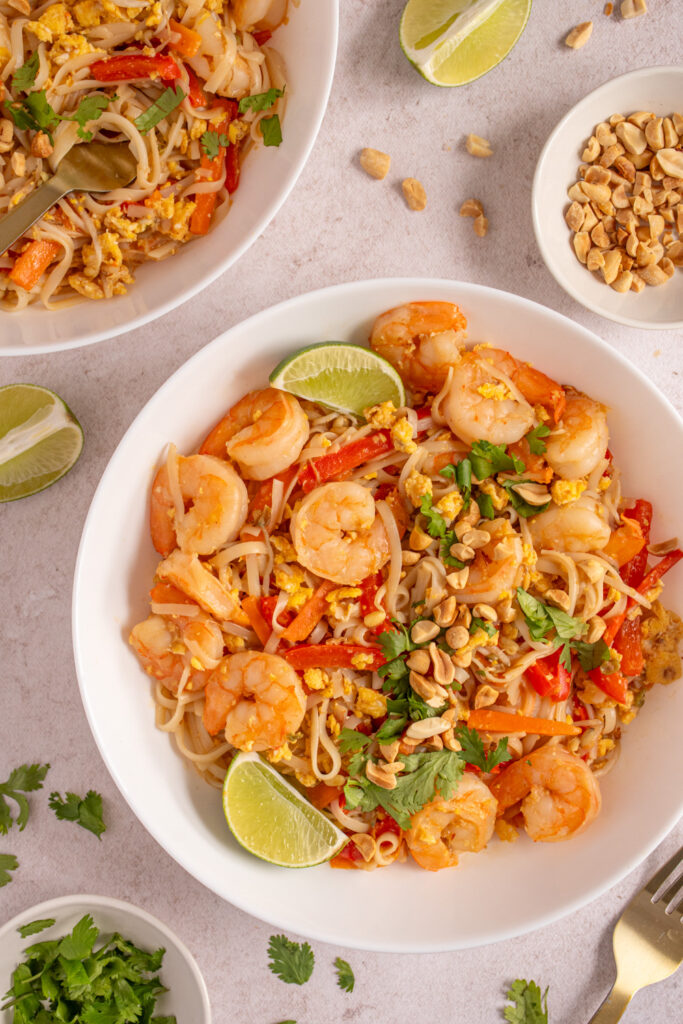
Authentic pad thai noodles with shrimp bean sprouts lime wedges and crushed peanuts on white plate

The first time I tasted authentic Pad Thai, I was sitting on a plastic stool at a bustling street cart in Bangkok, watching the vendor work magic over a blazing wok. The symphony of sizzling noodles, the aromatic dance of garlic and tamarind, and the theatrical toss of ingredients created something that bore little resemblance to the overly sweet, ketchup-laden versions I’d encountered back home. This wasn’t just stir-fried noodles – this was edible poetry, a perfect balance of sweet, sour, salty, and umami that made my taste buds sing with joy.

That transformative moment sparked a years-long quest to recreate that street cart magic in my own kitchen. I’ve tested countless variations, tweaked ratios, and even tracked down specialty ingredients from Asian markets across three states. The result? A Pad Thai recipe that captures the authentic essence of Thailand’s most beloved noodle dish – one that’s surprisingly achievable for home cooks and infinitely more satisfying than any takeout container.

What makes this recipe special isn’t just the authentic flavor profile, but the way it brings people together. Every time I make Pad Thai, my kitchen fills with the intoxicating aromas that transport me back to those Bangkok streets, and I’m reminded that the best dishes aren’t just about feeding our bodies – they’re about nourishing our souls and creating memories that last a lifetime.

Authentic pad thai noodles with shrimp bean sprouts lime wedges and crushed peanuts on white plate

Why You’ll Love This Recipe

This Pad Thai recipe strikes the perfect balance between authenticity and accessibility. Unlike restaurant versions that often rely on shortcuts and excessive sweetness, this recipe honors traditional techniques while using ingredients you can actually find at your local grocery store. The sauce is the star here – a harmonious blend of tamarind paste, fish sauce, and palm sugar that creates that signature sweet-tart flavor profile that makes Pad Thai so irresistible.

What sets this recipe apart is its flexibility. Whether you prefer shrimp, chicken, tofu, or a combination, the cooking method adapts beautifully. The high-heat cooking technique ensures your noodles achieve that coveted wok hei – the breath of the wok – that gives authentic stir-fried dishes their distinctive smoky flavor. Plus, with a prep time of just 15 minutes and cooking time of 10 minutes, you can have restaurant-quality Pad Thai on your table faster than delivery would arrive.

Perhaps best of all, this recipe is infinitely customizable. Love extra lime? Squeeze away. Prefer more crunch? Double the bean sprouts. Want more heat? Add extra chili flakes. This Pad Thai adapts to your preferences while maintaining its authentic soul, making it a recipe you’ll return to again and again.

Key Ingredients

The magic of Pad Thai lies in its carefully orchestrated ensemble of ingredients, each playing a crucial role in creating that iconic flavor profile. Rice noodles form the foundation – specifically, flat rice stick noodles that become beautifully chewy when properly soaked and stir-fried, absorbing all those incredible flavors while maintaining their distinct texture. Tamarind paste provides the dish’s signature tanginess, offering a complex sourness that’s far more nuanced than simple vinegar or lemon juice. Fish sauce brings the umami depth that makes Pad Thai so craveable, adding a savory backbone that enhances every other flavor in the dish. Palm sugar rounds out the sauce with its subtle caramel notes, creating the perfect counterpoint to the tamarind’s tartness. Fresh bean sprouts and garlic chives provide textural contrast and freshness, cutting through the richness while adding that essential crunch that makes each bite interesting. Finally, crushed peanuts and lime wedges serve as the perfect finishing touches, adding richness and brightness that elevate the entire dish from good to extraordinary.

Pro Tips & Variations

Success with Pad Thai hinges on proper preparation and high-heat cooking. First, soak your rice noodles until they’re pliable but still firm – they should bend without breaking but retain a slight bite, as they’ll finish cooking in the wok. Have all your ingredients prepped and within arm’s reach before you start cooking, because once that wok heats up, there’s no time for chopping or measuring.

The key to restaurant-quality results is cooking in small batches over high heat. If your pan isn’t large enough or hot enough, you’ll end up steaming rather than stir-frying, resulting in mushy noodles and muted flavors. Don’t be afraid to let things get a little charred – those crispy edges add incredible flavor depth.

Pad thai ingredients laid out including rice noodles tamarind paste fish sauce bean sprouts and lime

For protein variations, shrimp is classic and cooks quickly, but chicken thighs (cut into bite-sized pieces) offer more flavor than breasts. Vegetarians can substitute firm tofu or even scrambled eggs for protein, while keeping the traditional fish sauce or swapping it for additional soy sauce for a fully plant-based version. Regional variations include adding Chinese preserved radish for extra umami, or incorporating dried shrimp for intensified seafood flavor.

Temperature control is crucial – your wok or large skillet should be smoking hot before adding oil. Work quickly and keep ingredients moving to prevent burning while achieving that coveted wok hei flavor. If your stove doesn’t get hot enough, consider cooking outdoors on a high-BTU burner for truly authentic results.

Nutritional Highlights

This Pad Thai recipe offers a well-balanced nutritional profile that makes it a satisfying and relatively healthy choice for a noodle dish. At approximately 420 calories per serving, it provides substantial energy without being overly heavy. The rice noodles contribute complex carbohydrates for sustained energy, while the protein component (whether shrimp, chicken, or tofu) delivers essential amino acids for muscle maintenance and satiety. The dish is naturally rich in vegetables when you include plenty of bean sprouts, garlic chives, and additional vegetables, providing fiber, vitamins, and minerals. The peanuts contribute healthy fats and additional protein, while the lime juice adds vitamin C. When made with quality fish sauce and tamarind paste, this dish also provides beneficial minerals like potassium and iron, making it a nutritionally complete meal that satisfies both your taste buds and your body’s needs.

FAQ

Can I make Pad Thai ahead of time?

While Pad Thai is best enjoyed fresh from the wok, you can prepare components ahead for quicker assembly. Soak the rice noodles and store them covered in the refrigerator for up to 24 hours. Mix your sauce and prep all vegetables and proteins up to a day in advance. However, avoid cooking the complete dish ahead of time, as the noodles will become mushy and the textures will deteriorate. If you must reheat leftovers, do so in a hot skillet with a splash of water or oil, tossing quickly to revive the noodles and restore some of their original texture.

What can I substitute for tamarind paste?

If you can’t find tamarind paste, the best substitute is a combination of lime juice and brown sugar, using about 2 tablespoons lime juice plus 1 tablespoon brown sugar for every tablespoon of tamarind paste called for in the recipe. Rice vinegar mixed with a touch of molasses also works well. While these substitutions won’t perfectly replicate tamarind’s unique flavor complexity, they’ll provide the necessary sweet-tart balance that makes Pad Thai distinctive. For the most authentic results, I highly recommend seeking out tamarind paste at Asian grocery stores or ordering it online – it keeps well and makes a significant difference in the final dish.

How do I store and reheat Pad Thai leftovers?

Store leftover Pad Thai in an airtight container in the refrigerator for up to 3 days. The noodles will absorb the sauce and become softer, but the dish will still be delicious. To reheat, use a large skillet or wok over medium-high heat with a tablespoon of oil. Add the cold Pad Thai and toss gently, adding a splash of water or chicken broth if the noodles seem dry. Heat just until warmed through, about 2-3 minutes, being careful not to overcook. You can also reheat individual portions in the microwave for 1-2 minutes, stirring halfway through, though the skillet method preserves better texture.

There’s something magical about creating restaurant-quality Pad Thai in your own kitchen – the satisfaction of balancing those complex flavors, the aromatic journey that fills your home, and the joy of sharing this beloved dish with family and friends. This recipe represents more than just a meal; it’s a passport to Thailand’s vibrant street food culture and a testament to how authentic flavors can bridge cultures and create lasting memories.

The beauty of mastering Pad Thai lies not just in the delicious results, but in the confidence it builds for tackling other Asian cuisines. Once you understand the interplay of sweet, sour, salty, and umami that defines great Thai cooking, you’ll find yourself experimenting with other stir-fries and noodle dishes with newfound expertise and enthusiasm.

Close up of pad thai noodles wrapped around chopsticks with garnish

I hope this recipe brings as much joy to your kitchen as it has to mine. Every time I make this Pad Thai, I’m reminded of the power of authentic cooking to transport us across continents and connect us to flavors that tell stories of culture, tradition, and the universal language of delicious food.

If you try this recipe, I’d love to hear about your experience! Share your photos on social media and tag us – there’s nothing that makes my day quite like seeing your beautiful Pad Thai creations. Don’t forget to save this recipe for your next Thai food craving, and consider sharing it with fellow food lovers who appreciate the magic of authentic home cooking.

Find the complete recipe card below ?

Authentic Pad Thai

No ratings yet
Prep Time 15 minutes
Cook Time 10 minutes
Total Time 25 minutes
Servings 4 servings
Calories 420 kcal

Equipment

  • Large wok or skillet
  • Large bowl
  • Small mixing bowl
  • Tongs or large spoon

Instructions
 

  • Soak rice noodles in warm water until pliable but still firm, about 30 minutes. Drain and set aside.
  • In a small bowl, whisk together tamarind paste, fish sauce, and palm sugar until sugar dissolves. Set sauce aside.
  • Heat oil in a large wok or skillet over high heat until smoking. Add garlic and stir-fry for 30 seconds until fragrant.
  • Add shrimp and cook for 2-3 minutes until pink and cooked through. Push to one side of the wok.
  • Pour beaten eggs into the empty side of the wok and scramble until just set, about 1 minute.
  • Add drained noodles and sauce mixture to the wok. Toss everything together for 2-3 minutes until noodles are heated through and well-coated.
  • Add bean sprouts and garlic chives. Stir-fry for another 1-2 minutes until vegetables are crisp-tender.
  • Remove from heat and garnish with crushed peanuts. Serve immediately with lime wedges and chili flakes on the side.

Notes

Storage: Best served fresh, but leftovers keep in the fridge for up to 3 days. Reheat in a hot skillet with a splash of oil. For vegetarian version, substitute tofu for shrimp and use soy sauce instead of fish sauce.

Nutrition

Calories: 420kcalCarbohydrates: 52gProtein: 28gFat: 12gSodium: 890mgFiber: 3gSugar: 12g
No ratings yet