

There’s a moment that happens every summer — usually on a Tuesday, when the day has been long, the fridge feels uninspiring, and you’re staring at a cut of meat wondering if you have the energy to make something truly good. That moment is exactly where grilled pork tenderloin earns its place as a weeknight hero. It’s not a weekend project. It’s not a dish that requires babysitting or a culinary degree. It’s a lean, elegant cut of meat that goes from marinade to table in under an hour, and every single time, it delivers that satisfying char-kissed exterior with a blush-pink, buttery interior that makes everyone at the table go quiet in the best way.
At Eating Happiness, we’re always chasing that intersection of nourishing and deeply satisfying — food that makes your body feel good without asking you to sacrifice flavor or joy. Grilled pork tenderloin hits that sweet spot beautifully. It’s one of the leanest cuts of pork available, naturally low in fat, high in protein, and remarkably versatile. Dressed with a simple herb and garlic marinade and kissed by live fire, it transforms into something that feels celebratory even on a Wednesday night. This is the kind of dinner that reminds you why cooking at home is always worth it.
Whether you’re firing up a backyard gas grill, working over charcoal, or cooking over a campfire on a weekend adventure, this recipe adapts effortlessly. It’s the kind of reliable, crowd-pleasing recipe you’ll return to again and again — and once you nail the technique, you’ll wonder why you ever reached for anything else on a weeknight.
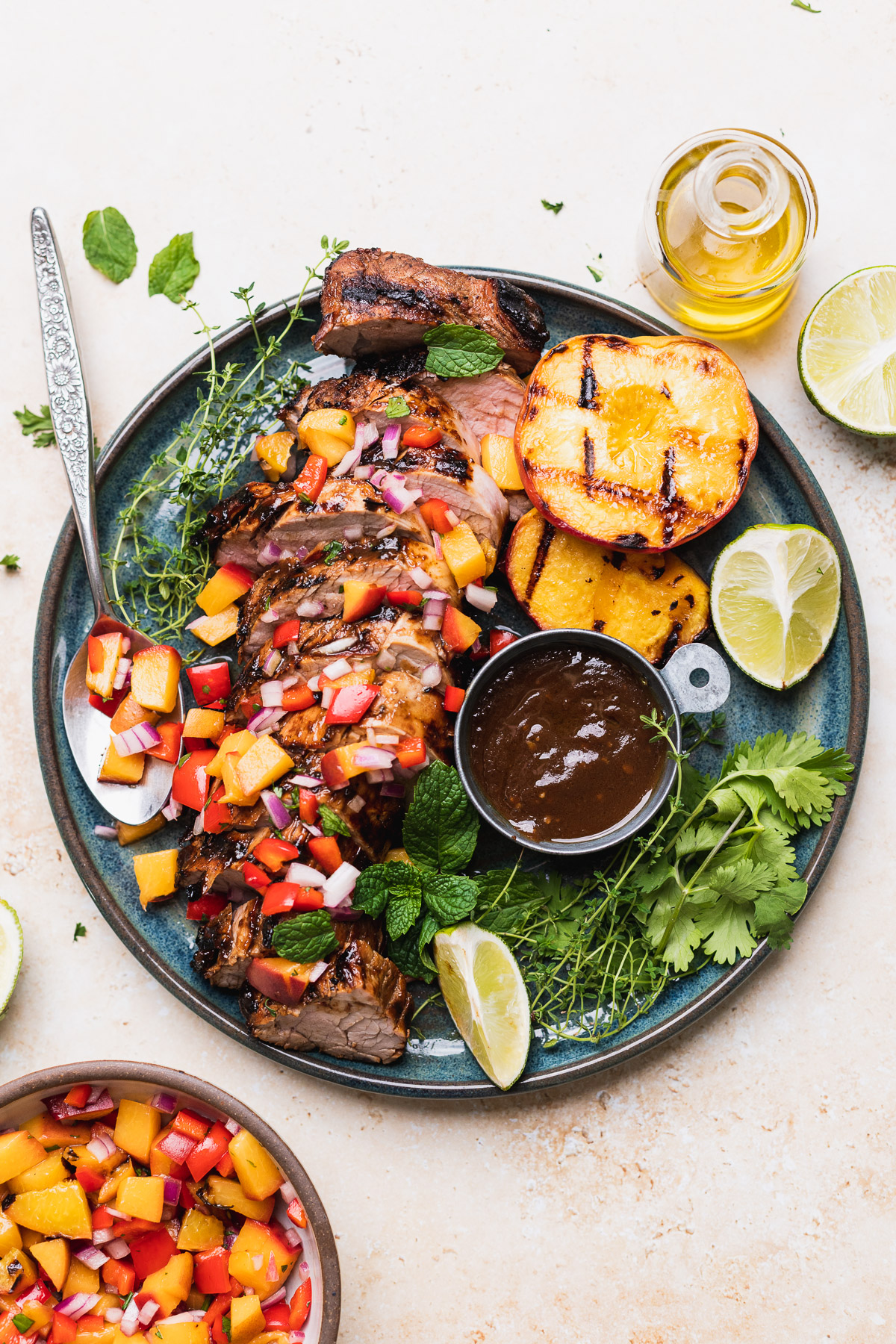
Why You’ll Love This Recipe
- Weeknight-friendly: 15 minutes of prep and about 20 minutes on the grill means dinner is on the table in under an hour.
- Genuinely healthy: Pork tenderloin is one of the leanest proteins you can choose, comparable in fat content to skinless chicken breast — so you’re eating well without thinking twice about it.
- Big, bold flavor from a short marinade: The combination of olive oil, garlic, fresh herbs, Dijon, and a touch of honey creates a marinade that works its magic in as little as 30 minutes.
- Foolproof technique: A two-zone grill setup (high heat to sear, lower heat to finish) guarantees a perfectly cooked tenderloin every time — no guesswork, no dry meat.
- Versatile enough for any occasion: Elegant enough for guests, simple enough for a Tuesday. Dress it up with a fresh chimichurri or keep it rustic with roasted potatoes and a green salad.
- Meal-prep gold: Leftovers slice beautifully cold and are incredible in wraps, grain bowls, or salads the next day.
Key Ingredients
The star of this dish is, of course, the pork tenderloin itself — a long, narrow muscle that runs along the backbone of the pig and sees very little movement, which is precisely why it’s so tender. Choose a tenderloin that’s about one pound (most packages contain two), pink and fresh-looking, without any excessive silverskin that hasn’t already been trimmed. That silverskin — the thin, silvery membrane on the outside — is worth removing if present, as it tightens during cooking and can make slices chewy.
Olive oil is the backbone of the marinade, helping the flavors cling to the meat and promoting that gorgeous caramelized crust on the grill. Use a good quality extra-virgin olive oil here; since it’s one of the few ingredients, it does matter. Fresh garlic brings a savory depth that dried simply can’t replicate — we’re using four cloves, minced fine so they meld into the marinade rather than sitting on top of the meat. Dijon mustard is a quiet hero in this recipe: it emulsifies the marinade, adds a gentle sharpness that balances the richness of the pork, and helps create that beautiful crust during grilling. A small amount of honey rounds out the flavor profile with just enough natural sweetness to encourage caramelization without making the dish feel sweet. Finally, fresh rosemary and thyme bring that herbaceous, woodsy note that pairs so naturally with pork — these aren’t just aromatics, they’re the flavor backbone that makes this dish feel considered and intentional rather than thrown together. A good pinch of smoked paprika ties it all together with a subtle warmth and a gorgeous rust-colored hue on the finished meat.
Pro Tips & Variations
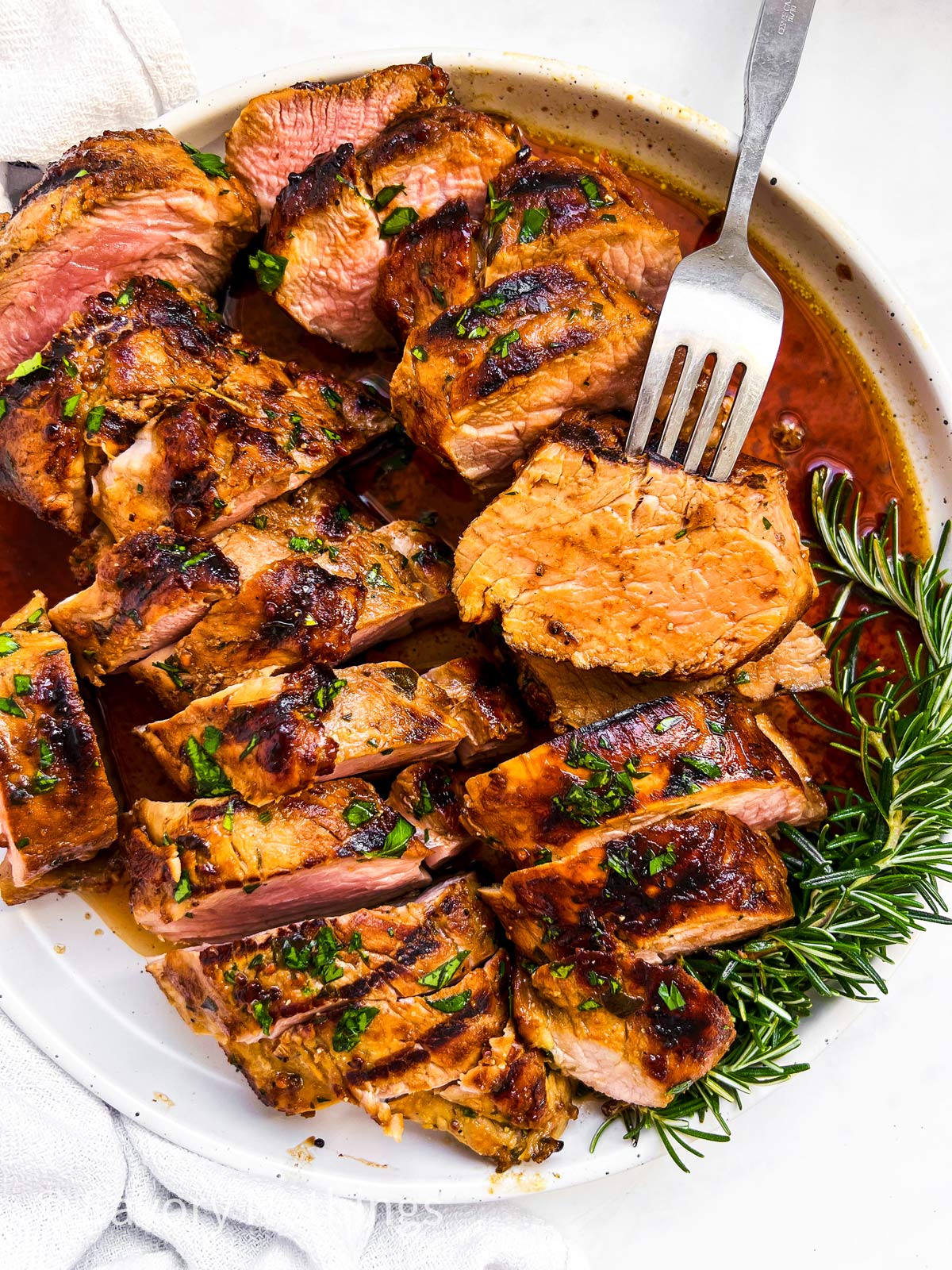
Tips for Success
- Don’t skip the silverskin removal. Use a sharp knife and a paper towel for grip — slide the knife under the membrane and angle it slightly upward, working in sections. This takes two minutes and makes a real difference in the final texture.
- Marinate at room temperature if short on time. While overnight in the fridge is ideal, even 30 minutes at room temperature allows the flavors to penetrate and the enzymes in the Dijon to begin tenderizing the surface.
- Use a meat thermometer — always. Pork tenderloin is best pulled from the grill at an internal temperature of 140–145°F. It will carry over to a safe, perfectly pink 145°F during the 5-minute rest. Cooking beyond 155°F risks drying it out. According to Serious Eats, resting meat after cooking is essential for juicy results — the same principle applies beautifully here.
- Two-zone grilling is your best friend. Sear the tenderloin over direct high heat for 2 minutes per side to develop that char, then move it to indirect heat to finish cooking through without burning the exterior. This method ensures even cooking from edge to center.
- Let it rest. Five full minutes under a loose tent of foil. We know it’s hard to wait, but the juices redistribute during this time and the difference in moisture is significant.
- Slice against the grain on a slight bias for the most tender, elegant presentation. Medallions about ¾-inch thick are ideal for serving.
Variations to Try
- Asian-inspired: Swap the Dijon and rosemary for soy sauce, ginger, sesame oil, and a splash of rice vinegar. Finish with sesame seeds and scallions.
- Smoky chipotle: Replace the smoked paprika with chipotle powder and add a tablespoon of adobo sauce to the marinade for a smoky, spicy kick that pairs beautifully with grilled corn.
- Mediterranean: Marinate with lemon zest, oregano, olive oil, and kalamata olive brine. Serve alongside a yogurt-based sauce similar to the one used in our Grilled Chicken Skewers with Tzatziki — the cool, tangy sauce is a stunning contrast to the charred pork.
- Apple and sage: For a fall-forward version, add fresh sage leaves and a tablespoon of apple cider to the marinade, then serve with roasted apple slices. The sweetness of apple and earthiness of sage are a classic pairing with pork for good reason.
- Campfire version: Heading outdoors? This recipe travels incredibly well. Marinate at home, seal in a zip-lock bag, and grill directly over your campfire grate. If you love cooking over live fire, our Shrimp Boil Foil Packets make a spectacular companion dish for the same fire.
What to Serve With Grilled Pork Tenderloin
This recipe is wonderfully flexible when it comes to sides. For a clean, balanced plate, we love pairing it with roasted sweet potatoes or a simple green salad dressed with lemon vinaigrette. If you’re feeding a crowd and want something heartier, our Kielbasa and Potato Foil Packets can cook alongside on the same grill — a genius move for feeding a group without dirtying extra pans. Grilled asparagus, a bright corn and black bean salsa, or a simple tzatziki for dipping are all excellent choices that keep the meal feeling fresh and nourishing. For something a little more unexpected, a drizzle of chimichurri over the sliced pork adds an herby, garlicky brightness that makes each bite sing. You can also check out Food Network’s guide to grilling sides for even more inspiration to round out your grill session.
Nutritional Highlights
Pork tenderloin is genuinely one of the most nutritionally impressive proteins you can put on your grill, and it deserves more credit in the healthy eating conversation. A four-ounce serving of cooked pork tenderloin contains roughly 26 grams of protein while clocking in at only about 3 grams of fat — making it comparable to skinless chicken breast and significantly leaner than most other cuts of pork. It’s also an excellent source of B vitamins, particularly B1 (thiamine), B6, and B12, which support energy metabolism and nervous system health. The addition of olive oil in the marinade brings heart-healthy monounsaturated fats and polyphenols to the dish, while fresh garlic contributes allicin, a compound with documented anti-inflammatory and immune-supportive properties. The honey in the marinade is used in small quantities — just enough to balance flavors and aid caramelization — so the overall sugar content of this dish remains very low. This is the kind of meal that checks all the nutritional boxes while tasting like an absolute treat, which is exactly the kind of eating we celebrate here at Eating Happiness.
FAQ
How do I know when grilled pork tenderloin is done?
The most reliable method is a digital instant-read thermometer. Pull the tenderloin from the grill when it reaches an internal temperature of 140–145°F, inserting the thermometer into the thickest part of the meat. After a 5-minute rest, the temperature will rise slightly to the USDA-recommended 145°F. At this temperature, the center of the meat will be pale pink — this is completely safe and results in the juiciest, most tender texture. If you cook pork tenderloin to 160°F or beyond, it becomes noticeably dry and tough, which is the most common mistake people make with this cut.
Can I marinate the pork tenderloin overnight?
Absolutely, and overnight marinating is actually our preferred approach when time allows. The flavors deepen significantly with a longer soak, and the Dijon mustard in the marinade gently tenderizes the meat’s exterior. That said, because pork tenderloin is already such a tender cut, you don’t need more than 8–12 hours — there’s no benefit to marinating beyond 24 hours, and the acidic components of the marinade can begin to affect the texture of the meat negatively if left too long. For a weeknight scenario, even 30 minutes at room temperature makes a noticeable difference over unseasoned meat.
What’s the best way to store and reheat leftover grilled pork tenderloin?
Store leftover grilled pork tenderloin in an airtight container in the refrigerator for up to 4 days. The cold leftovers are genuinely excellent sliced thin and used in grain bowls, sandwiches, or on top of salads — no reheating required. If you do want to reheat, the gentlest method is to warm slices in a covered skillet over low heat with a splash of chicken broth or water, which creates a little steam and prevents the meat from drying out. Avoid the microwave if possible, as it tends to make the meat tough and rubbery. You can also freeze cooked pork tenderloin for up to 3 months — slice it first, then freeze in a single layer before transferring to a freezer bag for easy portioning.
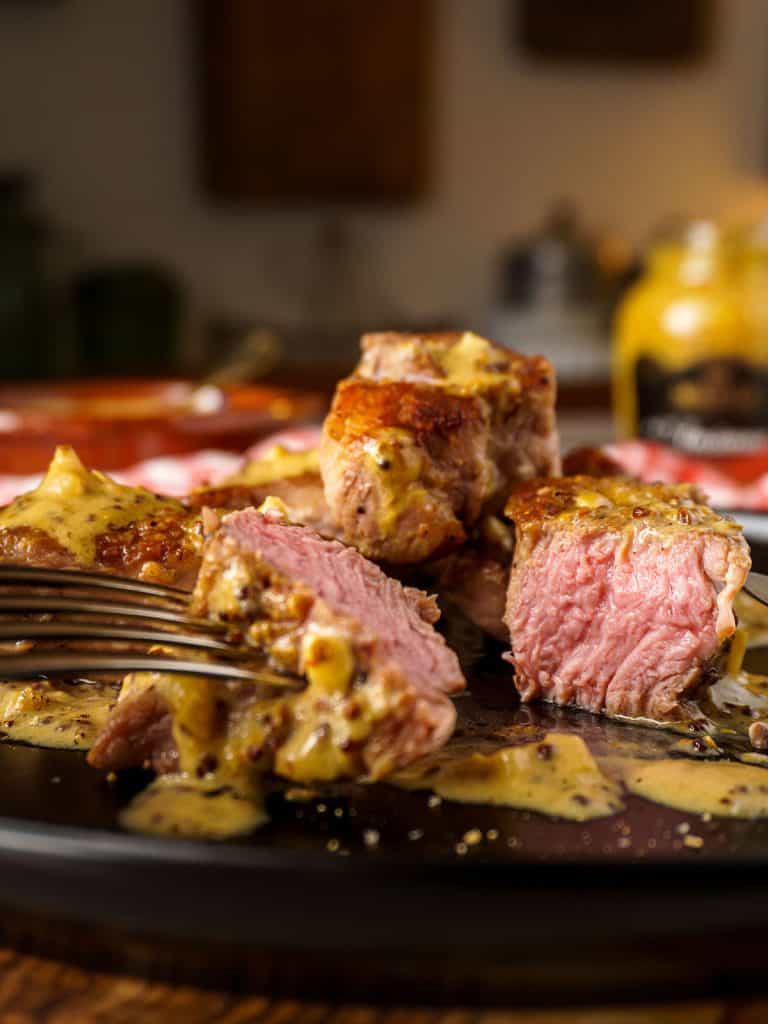
Ready to Fire Up the Grill?
This grilled pork tenderloin recipe is the kind of weeknight win that reminds you cooking at home doesn’t have to be complicated to be exceptional. With a lean, nourishing protein, a marinade built from clean pantry staples, and a simple two-zone grill technique, you’re set up for success every single time. It’s the kind of meal that earns its place in your regular rotation — not just because it’s healthy and fast, but because it genuinely tastes incredible and makes you proud to put it on the table.
If you make this recipe, we’d absolutely love to hear how it turned out! Leave a comment below, tag us on Instagram, or save this post to your Pinterest boards so you can come back to it all grilling season long. Your feedback helps this community grow and helps other home cooks find their next favorite weeknight dinner. Happy grilling — and happy eating! 🔥
Find the complete recipe card below ↓
Grilled Pork Tenderloin
Ingredients
- 2 lbs pork tenderloin about 2 tenderloins, silverskin removed
- 3 tbsp extra-virgin olive oil
- 4 cloves garlic finely minced
- 2 tbsp Dijon mustard
- 1 tbsp honey or pure maple syrup
- 1 tbsp fresh rosemary finely chopped
- 1 tbsp fresh thyme leaves or 1 tsp dried thyme
- 1 tsp smoked paprika
- 1 tsp kosher salt
- 1/2 tsp freshly ground black pepper
- 1 tbsp soy sauce low sodium
- fresh rosemary sprigs for serving
- flaky sea salt for finishing
- lemon wedges (for serving)

Instructions
- Remove the pork tenderloins from the refrigerator 20 minutes before grilling to take the chill off. Using a sharp knife, trim any remaining silverskin (the thin silver membrane on the surface) — slide the blade under it and angle slightly upward to remove in strips.
- In a small bowl or zip-lock bag, whisk together the olive oil, minced garlic, Dijon mustard, honey, rosemary, thyme, smoked paprika, soy sauce, salt, and black pepper until well combined.
- Add the pork tenderloins to the marinade and turn to coat thoroughly on all sides. Seal and marinate for at least 30 minutes at room temperature, or up to 12 hours in the refrigerator. If marinating overnight, bring the pork to room temperature for 20 minutes before grilling.
- Preheat your grill to high heat (450–500°F). Create a two-zone setup: leave one side on high heat for direct searing and turn the other side to medium-low for indirect cooking. Clean and oil the grates well — use tongs and a folded paper towel dipped in high-smoke-point oil.
- Remove the tenderloins from the marinade, allowing any excess to drip off. Place on the direct high-heat side of the grill. Sear for 2–3 minutes per side, rotating to sear all four sides (about 8–10 minutes total for searing), until deep golden-brown grill marks form.
- Move the seared tenderloins to the indirect heat side of the grill. Close the lid and continue cooking for 8–12 minutes, flipping once halfway through, until an instant-read thermometer inserted into the thickest part reads 140–145°F.
- Transfer the tenderloins to a clean cutting board and tent loosely with aluminum foil. Rest for 5 full minutes — do not skip this step.
- After resting, slice the pork tenderloin on a slight bias into ¾-inch medallions, cutting against the grain. Arrange on a platter or individual plates. Finish with flaky sea salt, fresh rosemary sprigs, and lemon wedges. Serve immediately.