

The Most Elegant Healthy Dinner You’ll Ever Make
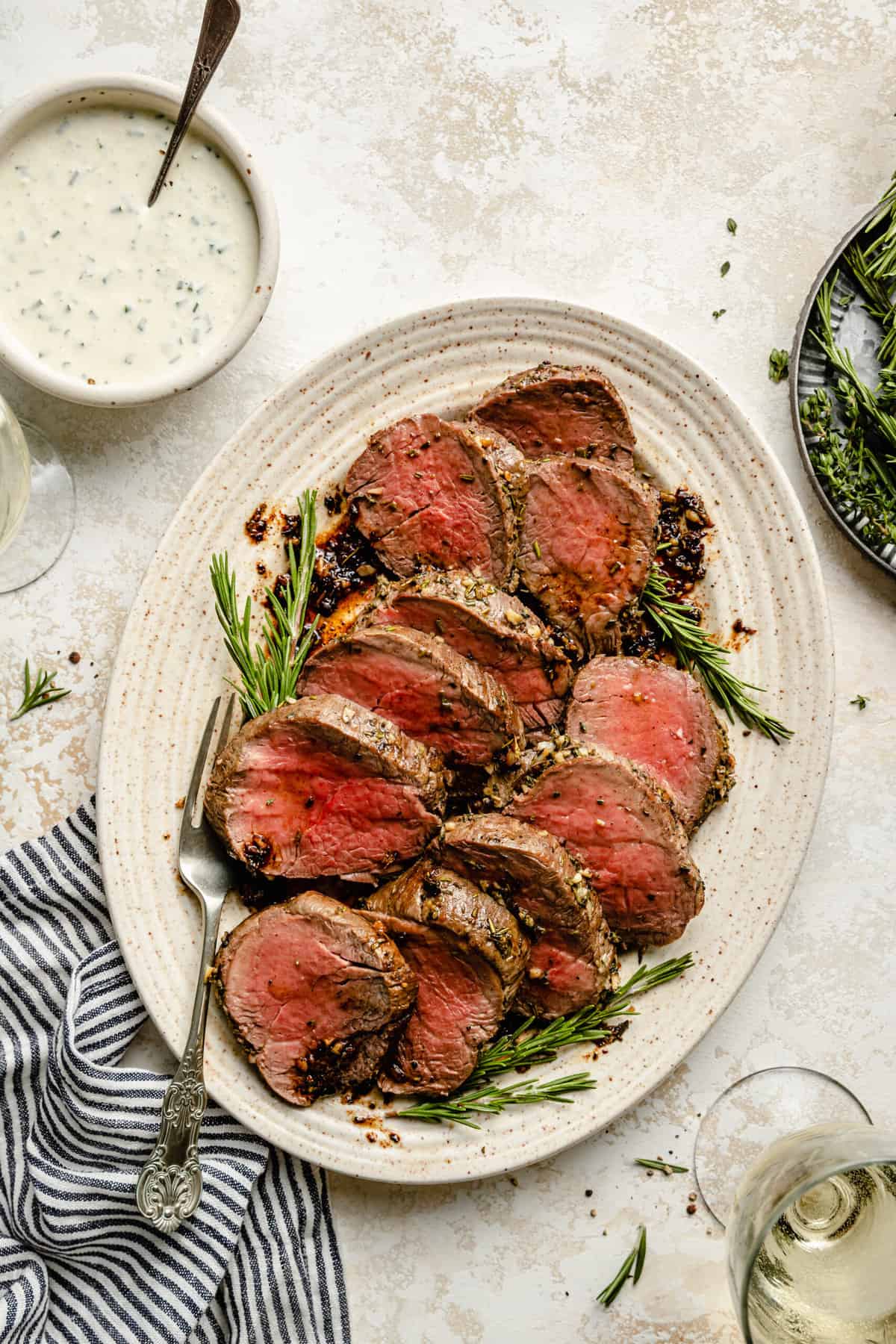
There’s a moment at every holiday table — or even just a special Sunday dinner — when someone sets down a roast and the whole room goes quiet. That moment of collective appreciation, the kind that feels earned. For years, I chased that feeling with heavy cream sauces, buttery braises, and all the richness that “special occasion” seemed to demand. But the more I leaned into health-conscious cooking, the more I realized that true elegance doesn’t need to come at a nutritional cost. Enter this lean beef tenderloin roast — and honestly, it may be the most impressive, feel-good dinner I’ve ever put on a table.
Beef tenderloin is one of those rare cuts that is simultaneously luxurious and genuinely lean. It’s the same cut used for filet mignon, and when you buy a center-cut roast, trim it properly, and roast it low and slow on a bed of fresh herbs, the result is impossibly tender, deeply flavorful, and far lighter than the fatty holiday roasts most of us grew up on. We’re talking a protein-packed centerpiece that clocks in at a fraction of the saturated fat of a prime rib, with none of the guilt and all of the wow factor.
The finishing touch — a creamy horseradish sauce made with plain Greek yogurt instead of sour cream or heavy cream — is the kind of smart swap that defines everything we do here at Eating Happiness. It’s tangy, punchy, and pairs beautifully with the herb crust on the roast. It’s the worth-it moment, made a little more worth it because you know exactly what’s in it. Whether this is the centerpiece of your holiday spread alongside a lighter, whole-grain herb stuffing or a beautiful weeknight splurge, this recipe will not let you down.
Why You’ll Love This Recipe
- Genuinely lean protein: Beef tenderloin is one of the leanest cuts of beef available, making it a smart choice for health-conscious eaters who don’t want to sacrifice satisfaction.
- Clean, whole-food ingredients: Every element — from the fresh herb crust to the Greek yogurt sauce — is made from real, recognizable ingredients. No mystery additives, no processed shortcuts.
- Surprisingly simple technique: Despite looking like a restaurant-level dish, this roast follows a straightforward sear-then-roast method that any home cook can nail on the first try.
- Perfect for entertaining: It feeds a crowd, can be partially prepped ahead, and looks absolutely stunning on a platter — the kind of dish that earns you compliments all evening.
- Lighter horseradish sauce: The Greek yogurt swap gives you all the creaminess and tang of a classic horseradish cream, with added protein and far less fat.
- Versatile pairing potential: This roast works beautifully alongside everything from roasted vegetables to a Greek yogurt sweet potato casserole or a lighter mashed potato casserole for a fully nourishing holiday spread.
Key Ingredients
At the heart of this dish is a center-cut beef tenderloin, and that word “center-cut” is doing a lot of work here. The center portion of the tenderloin is uniform in thickness, which means it cooks evenly from end to end — no overdone ends and raw middle. It’s also the leanest portion of the roast, with virtually no intramuscular fat compared to other holiday cuts. When trimmed of its silver skin (a tough connective tissue membrane), it becomes the purest, most tender eating experience beef has to offer.
The fresh herb crust — a mixture of rosemary, thyme, and flat-leaf parsley — does double duty here. It creates a gorgeous, aromatic bark on the outside of the roast while the oils from the herbs infuse into the meat as it roasts. Fresh herbs are non-negotiable for this recipe; dried simply don’t deliver the same vibrancy or color. Garlic is worked into the herb mixture as well, adding depth and that unmistakable savory quality that makes the whole kitchen smell incredible.
A thin coating of extra-virgin olive oil acts as the binder for the herb crust and helps drive the sear in the initial high-heat phase. It’s a healthier fat choice that also contributes its own mild, grassy flavor. And then there’s the sauce: plain full-fat Greek yogurt forms the creamy base, lending protein, probiotics, and a natural tang that mirrors the acidity of traditional sour cream beautifully. Combined with prepared horseradish, Dijon mustard, lemon juice, and a pinch of dill, it comes together in minutes and tastes like something you’d find at a high-end steakhouse. As Serious Eats explains in their guide to cooking beef tenderloin, resting the meat after roasting is essential for juicy, even results — a step we absolutely follow here.
Pro Tips & Variations
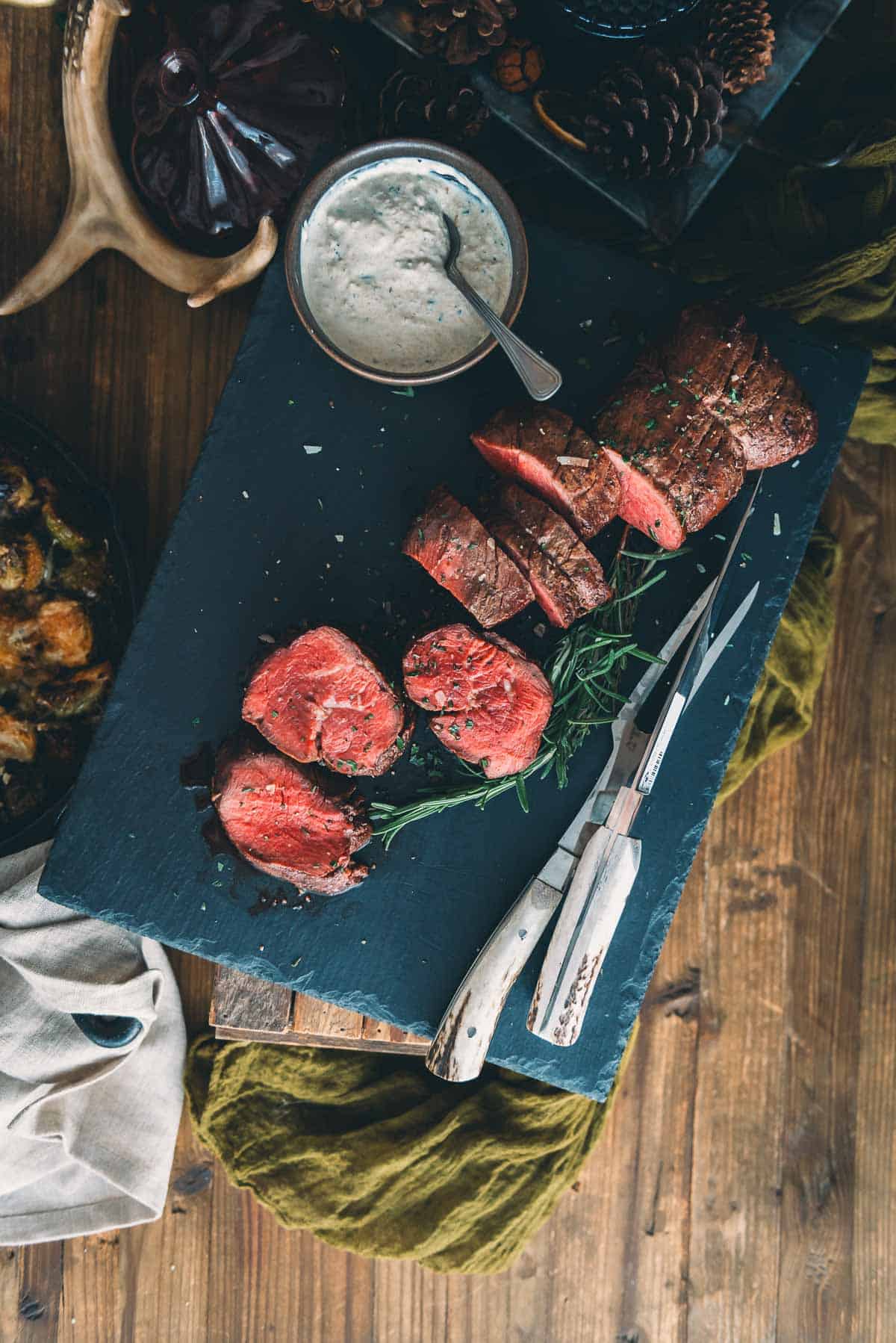
Getting the most out of this lean beef tenderloin roast comes down to a few key techniques. Here’s what I’ve learned after making this dish more times than I can count:
- Bring the meat to room temperature. Pull your tenderloin from the refrigerator at least 45 minutes before cooking. Cold meat hitting a hot pan leads to uneven cooking, and with a lean cut like tenderloin, there’s very little fat to buffer that unevenness. Room temperature meat equals a more consistent internal temperature throughout.
- Tie it tightly. Even a center-cut tenderloin has a slight taper at one end. Use kitchen twine to tie the roast into an even cylinder every 1.5 to 2 inches. This uniform shape is the single biggest factor in even cooking — and it makes for a stunning presentation when sliced.
- Use a meat thermometer — always. This is a lean, expensive cut of beef. There is no eyeballing it. Pull the roast at 125°F for medium-rare (the ideal for tenderloin) and let carryover cooking bring it to 130–135°F during the rest. Food Network’s beef tenderloin guide echoes this advice — temperature is everything.
- Rest, rest, rest. At least 15 minutes under a loose foil tent before slicing. This allows the juices to redistribute throughout the roast rather than running out onto your cutting board. Skipping this step is the most common reason a tenderloin comes out dry.
- Sear on the stovetop first. A cast iron skillet or heavy stainless pan over high heat gives you that beautiful, flavorful crust in just 2–3 minutes per side. Then transfer to the oven to finish gently. This two-stage method is far superior to roasting alone.
Variations Worth Trying
- Peppercorn crust: Swap the herb crust for coarsely cracked black and pink peppercorns mixed with a little sea salt for a classic au poivre vibe.
- Dairy-free sauce: Replace the Greek yogurt with a thick coconut cream-based yogurt or cashew cream for a completely dairy-free version that’s still creamy and tangy.
- Add a Dijon mustard layer: Spread a thin layer of Dijon directly on the meat before applying the herb crust. It acts as a secondary binder and adds a lovely subtle heat.
- Individual filet medallions: Cut the tenderloin into 2-inch-thick medallions and pan-sear them individually instead of roasting whole. Same flavors, faster cook time, great for smaller gatherings.
Nutritional Highlights
Beef tenderloin is widely recognized as one of the leanest cuts of beef — a 4-ounce serving contains roughly 24–26 grams of complete protein with significantly less saturated fat than cuts like ribeye or brisket. It’s an excellent source of zinc, iron, selenium, and B vitamins, particularly B12 and niacin, all of which play important roles in energy metabolism and immune function. The Greek yogurt sauce adds another protein boost along with calcium and gut-friendly probiotics, while the fresh herb crust brings in polyphenols and antioxidants from rosemary and thyme. Olive oil provides heart-healthy monounsaturated fats. All in all, this is a genuinely balanced, nutrient-dense meal that happens to feel like a celebration — and that’s exactly the kind of cooking we love most here at Eating Happiness.
A Centerpiece Worth Every Bite
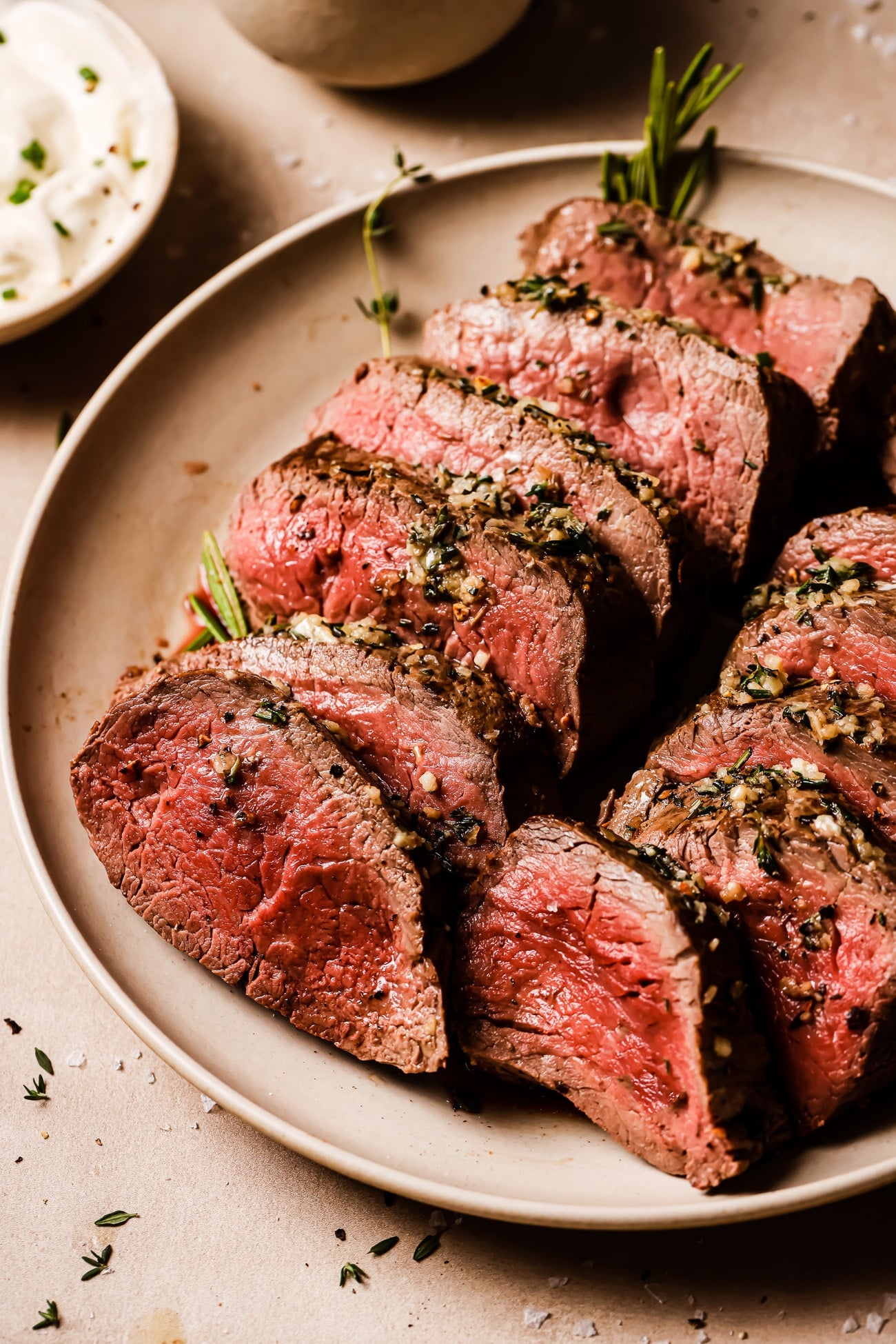
This lean beef tenderloin roast is proof that eating well and eating beautifully are not mutually exclusive. It’s the kind of dish that earns a standing ovation at the table while also quietly delivering on every nutritional promise we care about — clean ingredients, lean protein, smart swaps. Whether you’re hosting the holidays, celebrating a milestone, or simply deciding that Tuesday deserves something extraordinary, this roast is ready to deliver.
If you make this recipe, please share it! Leave a comment below, rate the recipe card, and tag us on social media — seeing your tenderloin roasts genuinely makes our day. Pin it, save it, and share it with anyone who thinks healthy eating means giving up the good stuff. This is the good stuff.
Find the complete recipe card below ↓
Lean Beef Tenderloin Roast
Equipment
- Cast iron skillet or heavy oven-safe skillet
- Meat thermometer
- Kitchen twine
- Roasting rack
- Cutting board
- Chef's knife
- Mixing bowls
- Aluminum foil
Ingredients
For the Tenderloin
- 2.5 lbs center-cut beef tenderloin trimmed of silver skin, tied with kitchen twine
- 3 tbsp extra-virgin olive oil divided
- 4 cloves garlic minced
- 2 tbsp fresh rosemary finely chopped
- 2 tbsp fresh thyme leaves finely chopped
- 2 tbsp fresh flat-leaf parsley finely chopped
- 1.5 tsp kosher salt
- 1 tsp freshly cracked black pepper
- 1 tsp smoked paprika
- fresh rosemary and thyme sprigs for roasting bed under the meat
For the Horseradish Greek Yogurt Sauce
- 1 cup plain full-fat Greek yogurt
- 2 tbsp prepared horseradish drained; adjust to taste
- 1 tbsp Dijon mustard
- 1 tbsp fresh lemon juice
- 1 tsp dried dill or 1 tbsp fresh dill
- 0.5 tsp kosher salt
- 0.25 tsp black pepper
- 1 clove garlic finely grated or pressed

Instructions
Prep the Tenderloin
- Remove the tenderloin from the refrigerator 45 minutes before cooking to bring it to room temperature. This ensures even cooking throughout.
- Pat the tenderloin completely dry with paper towels — this is critical for getting a good sear. If your tenderloin is not already tied, fold the thin tail end under itself and secure with kitchen twine at 1.5-inch intervals along the entire length to form an even cylinder.
- In a small bowl, combine 2 tablespoons of olive oil, minced garlic, rosemary, thyme, parsley, salt, pepper, and smoked paprika. Mix into a paste.
- Rub the herb paste evenly over all sides of the tenderloin, pressing gently to adhere.
Make the Sauce
- In a medium bowl, whisk together the Greek yogurt, prepared horseradish, Dijon mustard, lemon juice, dill, salt, pepper, and grated garlic until smooth and combined.
- Taste and adjust seasoning — add more horseradish for extra heat or more lemon for brightness. Cover and refrigerate until ready to serve (can be made up to 2 days ahead).
Sear and Roast
- Preheat your oven to 425°F (220°C). Place a few sprigs of fresh rosemary and thyme on the bottom of a roasting pan or oven-safe skillet to create a herb bed for the meat.
- Heat the remaining 1 tablespoon of olive oil in a large cast iron skillet over high heat until just beginning to smoke. Carefully add the tenderloin and sear, turning every 1–2 minutes, until a deep golden-brown crust forms on all sides, about 8–10 minutes total.
- Transfer the seared tenderloin on top of the herb sprigs in the roasting pan. Insert a meat thermometer into the thickest part of the center.
- Roast in the preheated oven until the thermometer reads 125°F for medium-rare, approximately 20–25 minutes depending on thickness. Begin checking at 18 minutes.
Rest and Serve
- Remove the roast from the oven and tent loosely with aluminum foil. Let rest for 15 minutes — do not skip this step. The internal temperature will continue to rise to 130–135°F during resting.
- Remove the kitchen twine, then slice the tenderloin into 1-inch medallions using a sharp chef's knife. Arrange on a serving platter over any resting juices.
- Serve immediately with the horseradish Greek yogurt sauce on the side. Garnish with fresh herb sprigs if desired.