
When Dessert Works as Hard as You Do
There’s a moment every health-conscious eater knows well — the one where you’re staring down a slice of classic New York cheesecake at a birthday party, doing frantic mental math and silently mourning your macros. I’ve been there more times than I can count. For years, cheesecake felt like the ultimate off-limits food: gloriously creamy, undeniably satisfying, and completely at odds with everything I was trying to build nutritionally. That is, until I started playing with what a cheesecake could be instead of what it always had been.
This high protein cheesecake is the answer I’d been looking for. By swapping the traditional all-cream-cheese filling for a triple-dairy powerhouse — full-fat cottage cheese, thick Greek yogurt, and just one block of cream cheese for that classic richness — we keep every bit of the luscious, tangy flavor while dramatically shifting the nutritional profile in your favor. The crust follows suit: a blend of graham cracker crumbs and rolled oats gives you that satisfying crunch with a little extra fiber and staying power. The result is a dessert you can genuinely feel good about sharing — or keeping all to yourself.
If you’ve been following along on Eating Happiness, you know that our philosophy is never about deprivation — it’s about making smarter swaps that taste just as incredible as the original. This cheesecake embodies that completely. It’s creamy, it’s decadent, it’s got gorgeous tang, and it carries a protein punch that will genuinely surprise you. Whether you’re meal-prepping a healthy treat for the week, impressing guests at a dinner party, or simply rewarding yourself after a great workout, this is a worth-it moment that you can indulge in without a second thought.
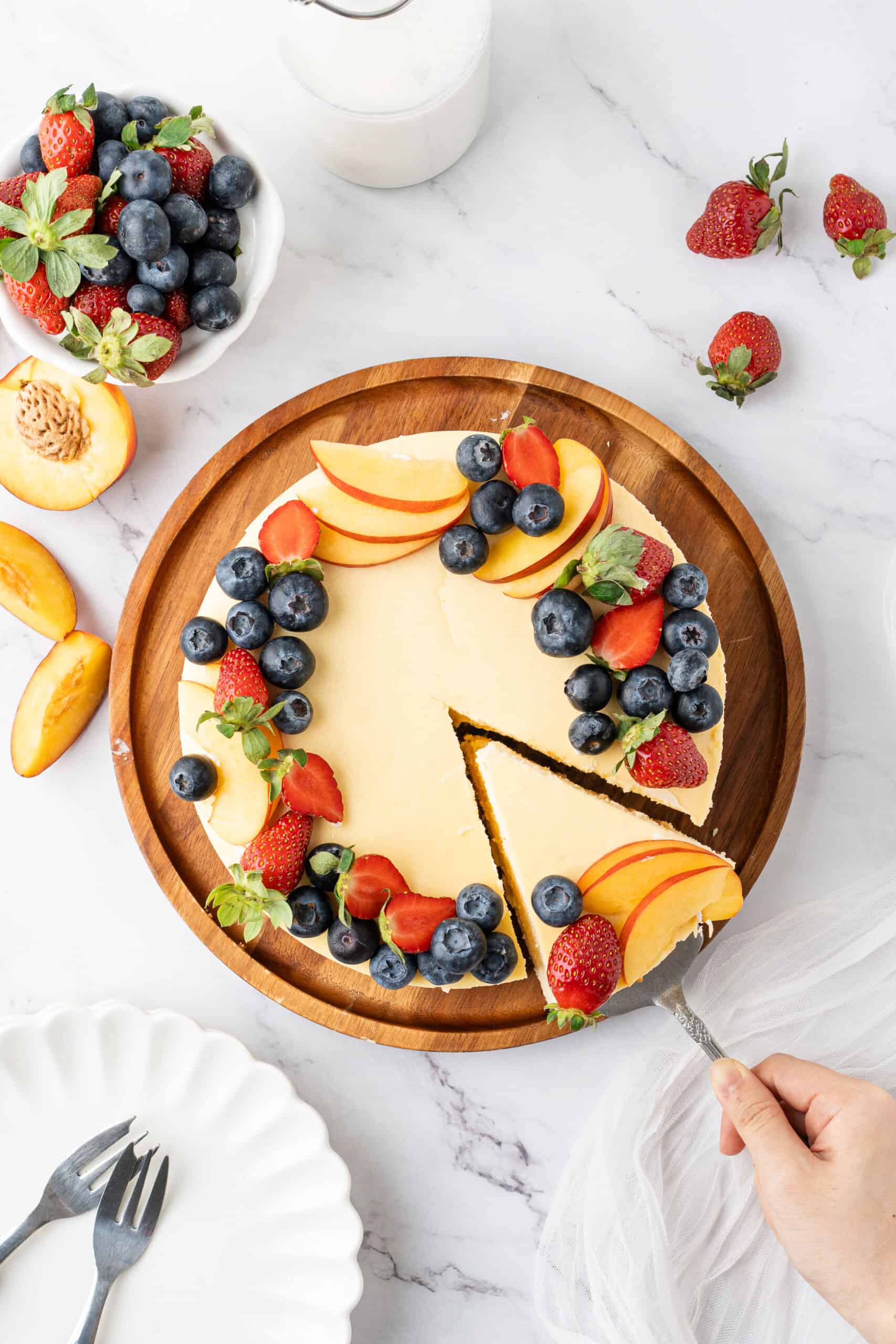
Why You’ll Love This High Protein Cheesecake
- Seriously impressive protein numbers. Each slice delivers around 18–20g of protein — something a classic cheesecake could never dream of.
- That genuine cheesecake texture. No rubbery protein-powder aftertaste, no chalky finish. Just silky, creamy, lightly tangy perfection.
- Clean, recognizable ingredients. No mystery powders, no artificial sweeteners. Just real food doing real work.
- The crust is next-level. Graham cracker crumbs plus rolled oats create a crust with more texture and fiber than a standard base.
- Great for meal prep. This cheesecake keeps beautifully in the fridge for up to five days and actually tastes better the next day once fully chilled.
- Flexible toppings. Fresh berries, a honey drizzle, lemon curd, or even a simple fruit compote — it plays nicely with everything.
- Crowd-pleasing and secretly healthy. Nobody at your table needs to know this is a protein-forward dessert unless you want them to be impressed.
Key Ingredients and Why They Matter
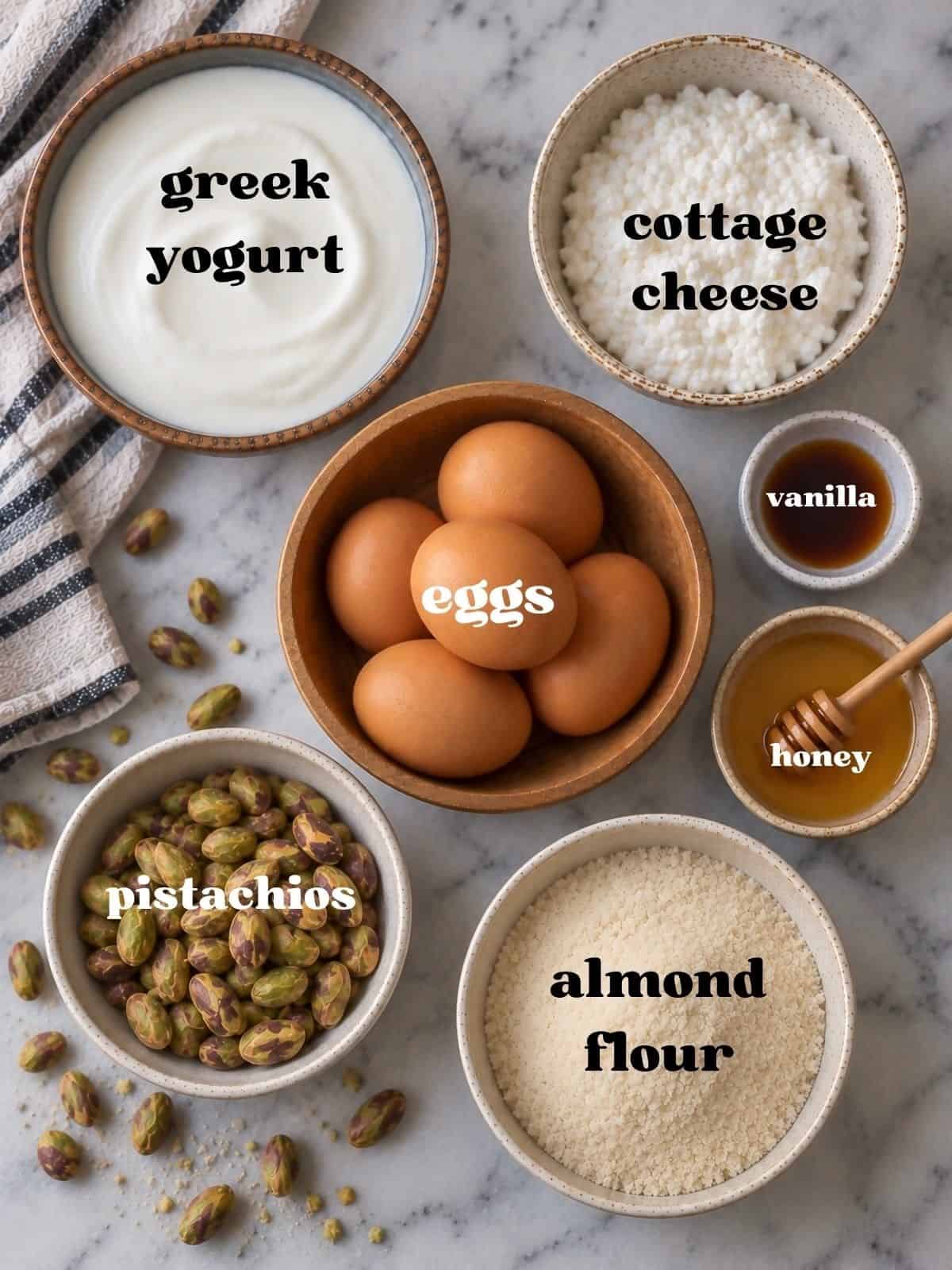
The backbone of this high protein cheesecake is full-fat cottage cheese, blended completely smooth. I know — cottage cheese in a dessert sounds like a wellness influencer’s fever dream — but once it’s blended, it becomes impossibly creamy and virtually indistinguishable from ricotta. It contributes the lion’s share of the protein and gives the filling a beautiful, light body. Alongside it, plain Greek yogurt (full-fat or 2% both work wonderfully) adds classic cheesecake tang and brings additional protein without any heaviness. Together, these two do the heavy nutritional lifting so that we only need one block of cream cheese — just enough to deliver that rich, dense, undeniably cheesecake flavor that makes every bite feel truly indulgent.
For sweetness, we use honey or pure maple syrup rather than refined white sugar, which integrates more harmoniously with the dairy and adds a gentle depth of flavor. Eggs are essential here — they bind the filling and give the cheesecake its set, custardy structure as it bakes. And the crust? Rolled oats blended with graham cracker crumbs are the quiet hero of this whole recipe, adding whole-grain goodness and a slightly nutty, toasty crunch that elevates every forkful. A touch of coconut oil or melted butter holds it all together.
If you love the combination of Greek yogurt in healthier baking, you might also enjoy our Lighter Pumpkin Pie with Greek Yogurt Filling — it uses the same philosophy of letting tangy dairy carry a dessert to new heights. And if smoothie bowls are more your speed, our High Protein Fall Smoothie Bowl is another great way to pack protein into something that feels like a treat.
Pro Tips & Variations
Blend your cottage cheese thoroughly. This is non-negotiable. Use a high-speed blender or food processor and blend for a full 60–90 seconds until the filling is completely smooth with zero curds visible. Any remaining texture will show in your final cheesecake, so be patient here. This is the most important technique tip in the entire recipe.
Don’t skip the water bath (or the foil wrap). Cheesecake is a custard, and custards bake best in gentle, humid heat. If you have a roasting pan, place your springform pan in it and add an inch of hot water around the outside. If you’d rather skip the water bath, wrap the outside of your springform pan tightly in two layers of heavy-duty foil and bake at a slightly lower temperature — about 310°F — for a longer, gentler bake. Both methods help prevent cracks.
Room temperature dairy is non-negotiable. Cold cream cheese will clump and create an uneven filling. Pull your cream cheese, Greek yogurt, and eggs out of the fridge at least 45 minutes before you start mixing.
Cool it slowly and patiently. Turn the oven off when the cheesecake still has a slight wobble in the center, crack the oven door, and let it cool inside for an hour before transferring to the counter. This prevents the dramatic sinking and cracking that happens when a cheesecake cools too quickly.
Flavor variations to try:
- Lemon blueberry: Add 2 tablespoons of fresh lemon zest and 1 tablespoon of lemon juice to the filling, then top with a quick blueberry compote.
- Chocolate swirl: Melt 2 tablespoons of dark chocolate and swirl it through the top of the filling before baking for a rich, antioxidant-rich ribbon of flavor.
- Pumpkin spice: Stir in ¼ cup of pure pumpkin purée and 1½ teaspoons of pumpkin pie spice — a natural pairing if you’re a fan of our Greek Yogurt Sweet Potato Casserole style of cozy, nourishing baking.
- No-bake version: For a warmer-weather option, blend the filling ingredients with 2 teaspoons of unflavored gelatin (bloomed in cold water) and pour over the crust. Refrigerate for at least 6 hours. The texture will be slightly lighter and mousse-like — equally delicious.
For more information on the science of baking cheesecakes perfectly, Serious Eats has an outstanding deep-dive into the food lab techniques that make all the difference. And if you want inspiration for creative topping combinations, Food Network’s cheesecake collection is a wonderful rabbit hole to fall into.
Nutritional Highlights
Let’s talk numbers, because this is where this high protein cheesecake truly earns its place in a health-forward lifestyle. A single slice (1/10 of the cheesecake) delivers approximately 18–20 grams of protein — driven primarily by the cottage cheese and Greek yogurt — which makes it one of the most satiating desserts you’ll ever put on the table. The oat-and-graham crust contributes whole-grain fiber that slows digestion and helps prevent the blood sugar spike you’d normally associate with a rich dessert. The natural sweeteners keep added sugars significantly lower than a traditional cheesecake recipe, and the filling’s protein content means you’ll actually feel satisfied after one slice rather than reaching for a second (and third). For comparison, a standard slice of classic New York cheesecake can carry 400–500 calories with minimal protein; this version comes in around 310 calories with triple the staying power. It’s the rare dessert that genuinely supports balanced eating rather than working against it.
A Dessert Worth Every Bite
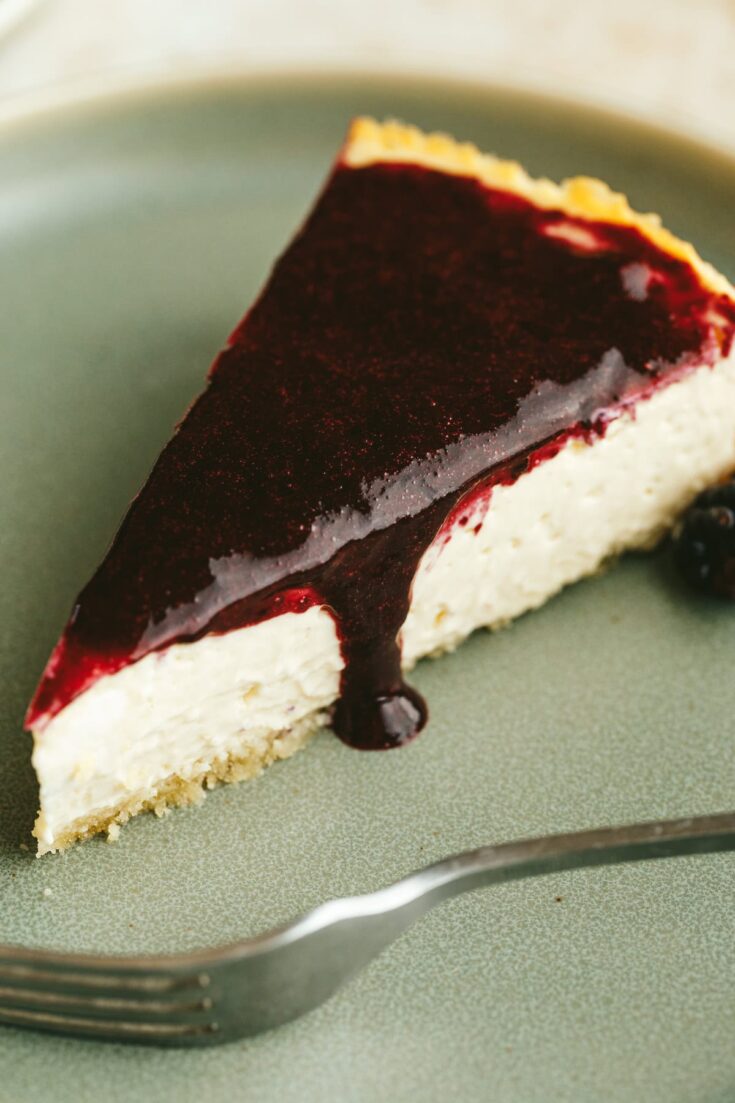
This high protein cheesecake is proof that the best healthy recipes don’t ask you to sacrifice anything — not flavor, not texture, and certainly not joy. It’s the kind of dish that changes how you think about what dessert can be: nourishing, satisfying, and genuinely delicious all at once. Whether you’re bringing it to a holiday gathering (try pairing it with the flavors from our Lean Turkey Pumpkin Chili for a balanced, high-protein dinner party spread), slicing it up as a weekly meal-prep treat, or serving it at a birthday party where no one will ever guess the secret, this cheesecake belongs in your regular rotation.
If you make it, I’d love to hear how it turned out! Leave a comment below, rate the recipe, and snap a photo to share on Instagram — tag @EatingHappiness so the whole community can see your beautiful creation. And if you’re looking for more smart, satisfying recipes, don’t forget to pin this post for later. Happy baking!
Find the complete recipe card below ↓
High Protein Cheesecake
Equipment
- 9-inch springform pan
- High-speed blender or food processor
- Stand mixer or hand mixer
- Large roasting pan (for water bath)
- Mixing bowls
- Rubber spatula
Ingredients
Graham-Oat Crust
- 1 cup graham cracker crumbs about 8 full sheets
- ½ cup rolled oats old-fashioned or quick oats
- 3 tablespoons honey or pure maple syrup
- 3 tablespoons coconut oil or unsalted butter melted
- ¼ teaspoon fine sea salt
High Protein Cheesecake Filling
- 16 oz full-fat cottage cheese 2 cups; blended completely smooth
- 1 cup plain Greek yogurt full-fat or 2%, room temperature
- 8 oz cream cheese 1 block, softened to room temperature
- 3 large eggs room temperature
- ⅓ cup honey or pure maple syrup adjust to taste
- 2 teaspoons pure vanilla extract
- 1 tablespoon fresh lemon juice
- 1 teaspoon lemon zest
- 2 tablespoons cornstarch helps filling set cleanly
- ¼ teaspoon fine sea salt
Optional Toppings
- 1 cup fresh berries strawberries, blueberries, or raspberries
- 1 tablespoon honey for drizzling

Instructions
Prepare the Crust
- Preheat your oven to 325°F (163°C). Lightly grease a 9-inch springform pan with coconut oil or cooking spray and line the bottom with parchment paper.
- In a food processor, pulse the rolled oats a few times until they are coarsely ground but not a fine powder — you want some texture remaining. Combine with the graham cracker crumbs and sea salt in a medium mixing bowl.
- Add the melted coconut oil (or butter) and honey to the crumb mixture. Stir well until every crumb is evenly coated and the mixture holds together when pressed between your fingers.
- Press the mixture firmly and evenly into the bottom of the prepared springform pan, using the flat bottom of a measuring cup to pack it tightly. Bake for 10 minutes until lightly golden and fragrant. Remove and let cool while you make the filling. Keep the oven on.
Make the Filling
- Add the cottage cheese to a high-speed blender. Blend on high for 60–90 seconds, scraping down the sides as needed, until the mixture is completely smooth and creamy with absolutely no visible curds. This step is essential — do not rush it.
- In a large mixing bowl (or the bowl of a stand mixer fitted with the paddle attachment), beat the softened cream cheese on medium speed for 2–3 minutes until completely smooth and fluffy.
- Add the blended cottage cheese and Greek yogurt to the cream cheese. Beat on low speed until just combined and smooth.
- Add the honey (or maple syrup), vanilla extract, lemon juice, and lemon zest. Mix on low until incorporated.
- Add the cornstarch and salt and mix briefly to combine.
- Add the eggs one at a time, mixing on low speed after each addition just until the yolk disappears into the batter. Do not overmix once the eggs are added — overmixing incorporates air and can cause cracking.
Bake the Cheesecake
- Pour the filling over the cooled crust and smooth the top with a rubber spatula. Tap the pan gently on the counter a few times to release any air bubbles.
- For a water bath: Place the springform pan inside a large roasting pan. Add enough hot (not boiling) water to reach 1 inch up the sides of the springform pan. Carefully transfer to the oven. Alternatively, wrap the outside of the springform pan tightly in two layers of heavy-duty foil to prevent leaks and place directly on the oven rack.
- Bake at 325°F for 50–60 minutes, until the edges are set and lightly puffed but the center 2 inches still have a gentle wobble when you nudge the pan. The cheesecake will continue to set as it cools.
- Turn off the oven. Crack the oven door open about 1 inch and let the cheesecake rest inside the oven for 1 hour. This gradual cooling prevents cracking and sinking.
Cool and Chill
- Remove the cheesecake from the oven (and water bath, if using) and run a thin knife around the inside edge of the pan to release the cheesecake from the sides. This prevents cracking as it contracts during cooling.
- Let the cheesecake cool completely on a wire rack at room temperature, about 1 more hour.
- Cover loosely with plastic wrap or foil and refrigerate for at least 4 hours, but overnight is ideal. The flavor and texture improve significantly after a full overnight chill.
Serve
- When ready to serve, remove the springform ring. Use a sharp knife dipped in hot water and wiped dry between each cut for clean slices.
- Top with fresh berries, a drizzle of honey, or your favorite fruit compote. Serve chilled and enjoy!